Anxiety in children and teens is often misunderstood. What adults interpret as defiance, withdrawal, perfectionism, irritability, avoidance, compulsive behaviors, or emotional overwhelm may actually reflect intense fear, intrusive thoughts, anxiety, OCD-related distress, or emotional experiences young people struggle to explain openly.
Kyle shares lived-experience insight into childhood anxiety and OCD—helping caregivers, educators, and professionals better understand what fear, uncertainty, obsessive thinking, and emotional distress can feel like internally for young people, and how supportive adults can respond with greater empathy, confidence, and clarity.
Why This Training Matters
Childhood anxiety and OCD are among the most misunderstood mental health challenges affecting young people today. Many children silently struggle with overwhelming fear, intrusive thoughts, compulsive behaviors, perfectionism, reassurance seeking, or emotional distress long before adults recognize what they are experiencing internally.
Because anxiety and OCD do not always “look anxious,” adults may unintentionally misinterpret behaviors rooted in fear, uncertainty, emotional overwhelm, or obsessive thinking. Children may also lack the language or self-awareness needed to explain what they are going through.
This training explores childhood anxiety and OCD through a lived-experience lens—helping audiences move beyond surface-level assumptions and toward deeper emotional recognition, understanding, communication, and support.
By combining emotional insight with practical reflection, this session encourages participants to better understand how anxiety and OCD can shape behavior, school experiences, relationships, emotional regulation, confidence, and daily functioning in children and teens.
What You’ll Learn
- How anxiety and OCD may appear differently across children and teens
- What these internal experiences may feel like for young people
- Why anxiety- and OCD-related behaviors are often misunderstood by adults
- Practical ways caregivers, educators, and professionals can respond with greater empathy, validation, and emotional support
- How supportive communication and emotional safety can help young people feel understood rather than judged
Who This Training Is Designed For
This training is especially valuable for parents, caregivers, educators, school professionals, and youth-serving adults who want to better understand the lived emotional realities of childhood anxiety and OCD.
The session is designed to help adults recognize how fear, intrusive thoughts, compulsive behaviors, and emotional distress may not always be visible while offering emotionally grounded, practical insight into how supportive relationships can make a meaningful difference.
While accessible to broad audiences, the training emphasizes lived experience, emotional understanding, communication, and real-world support strategies rather than highly technical clinical intervention.
About Kyle Elliot
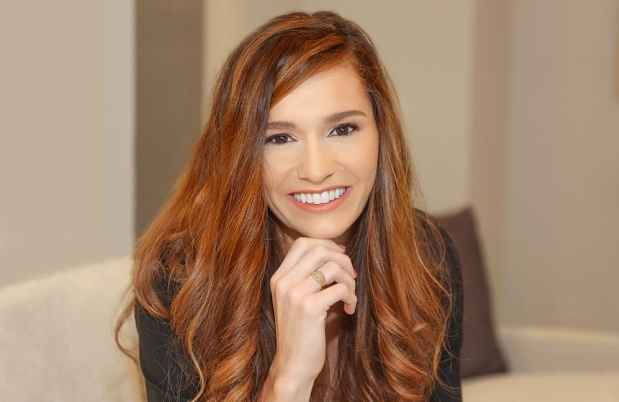
Kyle Elliot, EdD, is a successful career coach, professional speaker, and writer who—as a child and teen—struggled with anxiety and OCD.
Fortunately, he got the professional help he needed and has learned to navigate his mental health challenges. He has also committed himself to sharing his lived experience to raise awareness and help others.

Two Ways To Join Us! Sign Up Now
Note: Continuing medical education credits are not available for this training
Event Details
- Date: December 16, 2026
- Time: 12pm
- Length: 45 minutes
- Presenter: Kyle Elliot, EdD
- Format: Virtual Training
- Cost: Free to Attend
Behind many of the behaviors adults find most confusing—defiance, withdrawal, perfectionism, emotional shutdown—is a young person doing their best to manage fear they may not have words for.
Join us for this training to better understand the lived experiences behind fear, intrusive thoughts, compulsive behaviors, and emotional distress while exploring practical ways to support young people with greater empathy, awareness, and confidence.
Featuring Expert Commentary
The session concludes with a brief conversation with Lisa W. Coyne, PhD, highlighting clinical context and exploring key themes and takeaways from Kyle’s experience.
Learning Objectives
By the end of this training, participants should be able to:
- Recognize emotional and behavioral signs commonly associated with childhood anxiety and OCD
- Describe how intrusive thoughts, fear-based behaviors, avoidance, or compulsive patterns may affect young people emotionally and socially
- Identify ways anxiety- and OCD-related behaviors are commonly misunderstood
- Explain how lived experience can deepen understanding of childhood anxiety and OCD
- Apply empathy-informed communication and support strategies when responding to anxious youth
Who Should Attend
This training may be especially valuable for:
- Parents & Caregivers
- Educators & School Professionals
- Mental Health Professionals (psychologists, psychiatrists, counselors, therapists, social workers, nurses)
- Pediatric & Health Care Professionals
- School Counselors & Student Support Teams
- Youth Program Leaders & Coaches
- Community Mental Health Advocates
- Individuals interested in childhood anxiety, OCD, and emotional well-being
Wait! There’s More!
Explore 100+ expert-led sessions on key mental health topics. Designed for professionals and community members alike, the library offers accessible, high-quality education in a flexible format.
Have a question about our upcoming event?