Healing Begins With Understanding Trauma
Through real stories, trusted education, and trauma-informed training, we’re building pathways to safety, recovery, and resilience
Trauma can impact every part of a person’s life—but with the right support, healing is possible. By centering lived experiences, providing compassionate education, and equipping professionals with trauma-informed tools, we’re changing how trauma is understood and addressed.
Whether you’re on your own healing journey, supporting someone else, or working to create safer spaces in your practice or community, this page offers connection, knowledge, and hope.
In-Depth Guides
Start Reading About Trauma-Related Disorders!
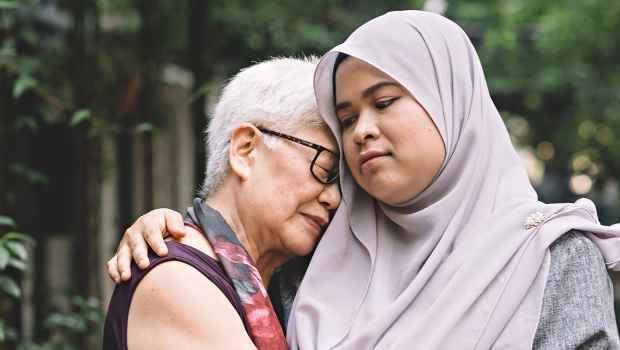


Real Stories, Real Connection
What Is It Like To Live With Trauma Disorders?

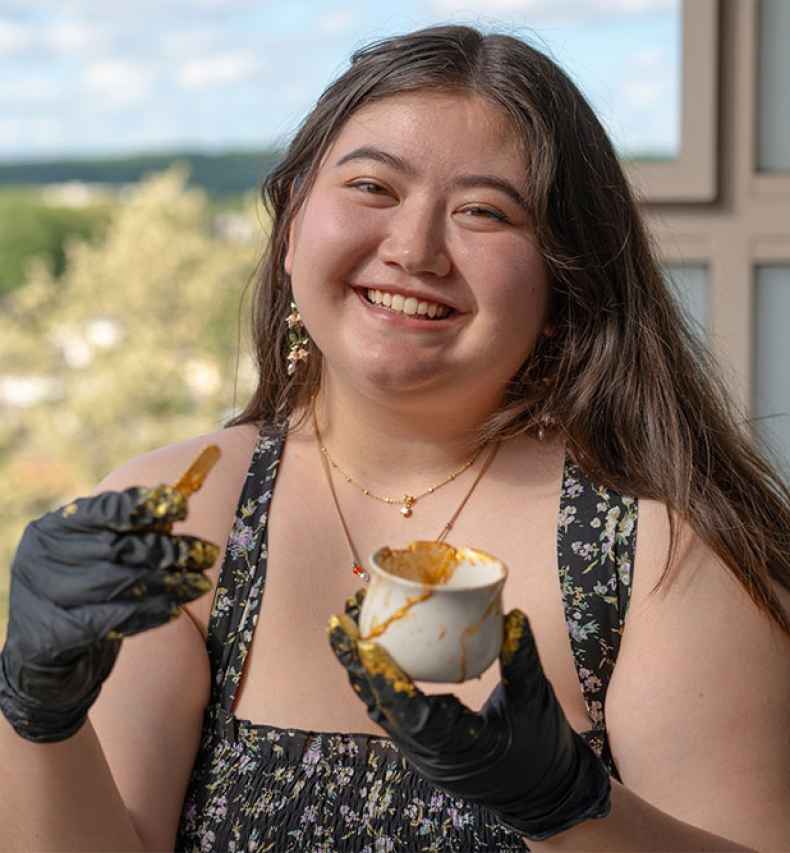
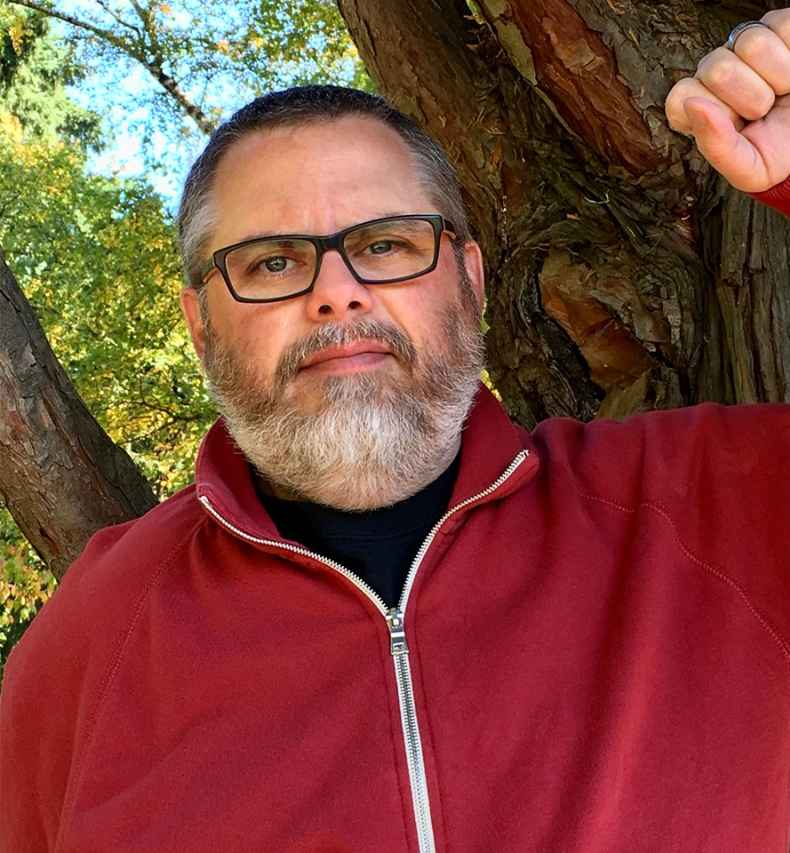

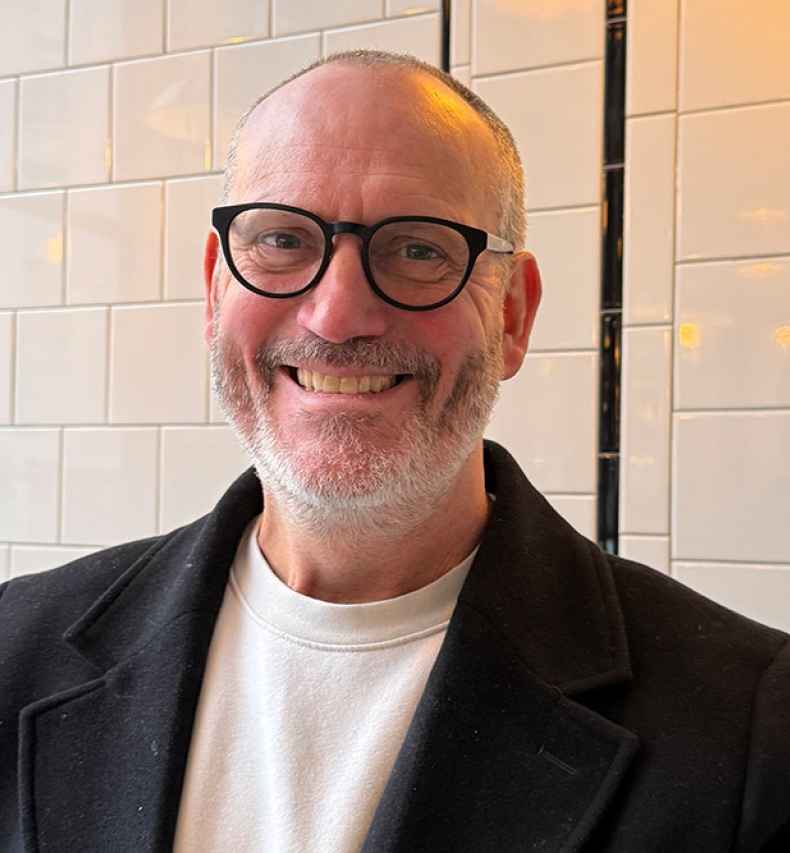
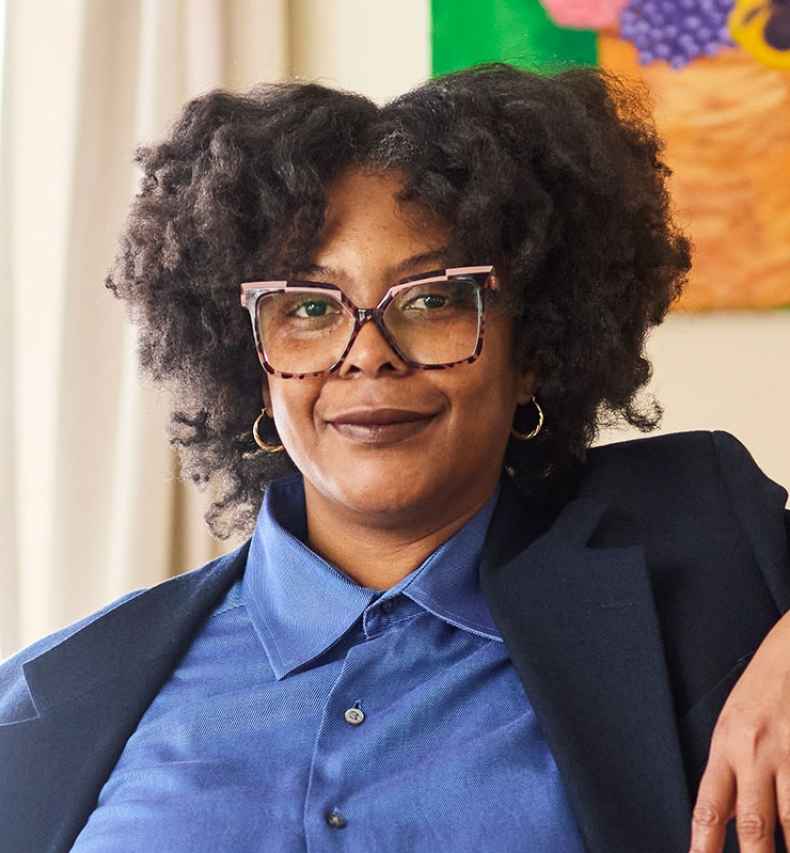
Watch Now and Learn!
Webinars and Courses About Trauma & PTSD
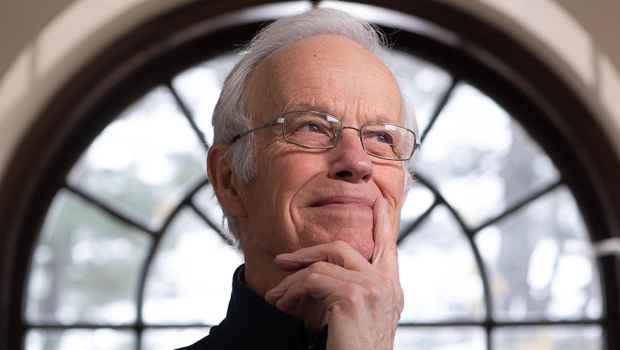
Matthew A. Robinson, PhD, provides an overview of PTSD, DID, and other trauma-related disorders, debunks common myths about these conditions, and covers the evidence-based treatment methods to ensure that people are able to manage their symptoms and live rewarding lives. Watch here now or learn more about this training.
Trauma Resources
People affected by trauma disorders may face emotional distress, stigma, or difficulty finding strategies that help them feel safe and supported. Opening up about these experiences can feel vulnerable, and locating information or care that feels relevant and trustworthy is not always easy.
Resources can offer support, guidance, and practical tools to help people understand their experiences, build coping skills, and strengthen connections with their families, communities, and care networks.
You may also find our veteran support resources helpful.
Support Organizations
These organizations offer resources and information on trauma that you may find helpful.
1in6
1in6 provides education and peer support for men who have experienced sexual abuse or assault. The organization offers confidential resources, group programs, and educational materials designed to support healing and reduce stigma around male survivorship.
Center for Trauma and Embodiment
The Center for Trauma and Embodiment focuses on body-based approaches to trauma education and recovery. The center offers public learning resources and training that explore how trauma is held and processed in the body.
International Society for the Study of Trauma and Dissociation
ISSTD is a professional organization dedicated to advancing understanding of trauma, dissociation, and complex trauma-related conditions. The society provides educational resources and research-informed materials that support awareness of trauma’s long-term psychological impacts.
International Society for Traumatic Stress Studies
The International Society for Traumatic Stress Studies promotes evidence-based knowledge about traumatic stress and PTSD. ISTSS offers educational resources, research summaries, and public information to improve understanding of trauma and recovery.
National Center for Post-Traumatic Stress Disorder
The National Center for PTSD provides comprehensive, research-based information on trauma and post-traumatic stress disorder. A part of the VA, the center’s public resources cover symptoms, treatment options, and coping strategies for individuals, families, and caregivers.
National Child Traumatic Stress Network
The National Child Traumatic Stress Network focuses on improving outcomes for children and adolescents exposed to trauma. NCTSN offers education, tools, and resources for families, educators, and providers supporting young people affected by traumatic experiences.
RAINN (Rape, Abuse & Incest National Network)
RAINN is the nation’s largest organization focused on sexual violence and trauma. The organization provides crisis support, survivor resources, education, and prevention efforts to support healing and promote safety.
Trauma Research Foundation
The Trauma Research Foundation advances education and research on trauma and its effects on the brain and body. The organization offers accessible learning resources aimed at improving understanding of trauma-informed approaches to care.
Featured Resources
From toolkits to podcasts and more, here are a few of the great online resources available to learn more about trauma.
Trauma and PTSD Resource Hub – National Center for PTSD (VA)
Examine trauma types, PTSD symptoms, causes, and evidence-based treatments with comprehensive, research-backed guidance.
PTSD Coach App + Toolkit – National Center for PTSD (VA)
Access interactive tools, symptom tracking, and practical coping strategies to manage PTSD and trauma-related symptoms.
Trauma Disorders Fact Sheets – Blue Knot
Discover clear, concise fact sheets explaining complex trauma, its impacts on the nervous system, and pathways to recovery.
Understanding Dissociative Disorders (Video) – Osmosis
Watch a visual explanation of dissociative disorders, including how trauma can affect consciousness, memory, and identity.
The Trauma Therapist Podcast
Listen to expert interviews and survivor stories offering insight, strategies, and real-world perspectives on trauma recovery.
Suggested Reading
From evidence-based perspectives to lived-experience memoirs, this selection of books is a great starting point if you want to expand your understanding of trauma.
The Body Keeps the Score: Brain, Mind, and Body in the Healing of Trauma
by Bessel van der Kolk, MD
This widely cited work examines how trauma reshapes the brain and nervous system, influencing emotion regulation, memory, and physical health. Drawing from decades of clinical experience and research, van der Kolk explores a range of treatment approaches and emphasizes the role of the body in trauma recovery.
Trauma and Recovery: The Aftermath of Violence—From Domestic Abuse to Political Terror
by Judith Lewis Herman, MD
A foundational text in trauma studies, this book situates individual traumatic responses within broader social and relational contexts. Herman outlines the psychological impact of violence while introducing a phased model of recovery that has shaped modern understanding and treatment of PTSD and complex trauma.
Complex PTSD: From Surviving to Thriving
by Pete Walker
Focused on the long-term effects of chronic and developmental trauma, this book explores how early relational wounds shape emotional regulation, self-concept, and interpersonal patterns. Walker blends clinical insight with practical frameworks for understanding symptoms such as emotional flashbacks, shame, and hypervigilance.
It Didn’t Start With You: How Inherited Family Trauma Shapes Who We Are
by Mark Wolynn
This book examines how unresolved trauma can be passed down across generations through family dynamics, attachment patterns, and emotional inheritance. Wolynn connects intergenerational trauma with present-day anxiety, depression, and trauma responses, offering insight into how family history can shape adult mental health.
Healing From Trauma: A Survivor’s Guide to Understanding Your Symptoms and Reclaiming Your Life
by Jasmin Lee Cori, PhD
Written for survivors of a wide range of traumatic experiences, this guide explains common trauma responses and their underlying psychological and physiological mechanisms. Cori emphasizes self-understanding and stabilization while outlining pathways toward healing and restored sense of safety.
A Fractured Mind: My Life With Multiple Personality Disorder
by Robert Oxnam
Oxnam recounts his personal experience living with dissociative identity disorder, exploring how the condition shaped his memory, identity, and daily functioning. Blending memoir with reflection on therapy and treatment, the book provides insight into the challenges of living with DID while illuminating the complexity and resilience of the human mind.
What My Bones Know: A Memoir of Healing From Complex Trauma
by Stephanie Foo
Blending memoir with investigative reporting, Foo chronicles her experience living with complex trauma while exploring contemporary research on PTSD, attachment, and recovery. The book offers a personal account of navigating therapy, diagnosis, and healing while situating lived experience within a broader scientific context.