Why Do We Focus on Mental Health Stigma?
Though it can feel insurmountable, we know we can forge a path forward
Let’s be real—some conversations feel off-limits, wrapped in layers of taboo and discomfort. But when it comes to mental health, staying silent does more harm than good. Shame and stigma are some of the biggest barriers keeping millions of people from getting the care they desperately need—people battling depression, anxiety, intrusive thoughts, and risky behaviors, often in isolation.
While there’s still much to uncover about the complexities of the brain, we already have a wealth of knowledge that could change lives. The problem? It’s not reaching those who need it most. Misinformation, deep-rooted stereotypes, and outdated beliefs—woven into our families, societies, pop culture, and even our laws—have created a world where those struggling the most are often ignored, misunderstood, or worse, mistreated.
The Deconstructing Stigma team refuses to accept this reality. We are committed to destroying these barriers. Through global initiatives that amplify awareness and education, we’re on a mission to replace stigma with understanding and fear with facts.
With engaging, interactive projects that spark conversation and inspire change, we are working to reshape the way the world sees mental health. But we can’t do it alone.
Together, we can challenge outdated narratives, spread knowledge, and build a future where mental health is no longer a hidden struggle—but a conversation we all embrace.
Together, we can change attitudes about mental health.
Personal Stories, Widespread Impact
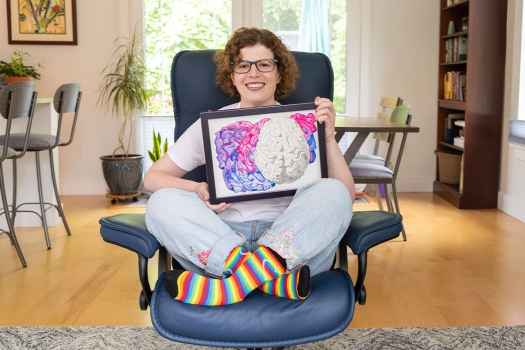
Each of the volunteers in Deconstructing Stigma has chosen to bravely push aside the stigma of talking about mental health. But equally importantly, almost all of the volunteers have the same message to promote: they chose to share their own stories in the hopes that others who are struggling may see they are not alone and reach out for the care they need.
Changing Attitudes About Mental Health
While more people than ever are recognizing the mental health needs of individuals of every age group, there continues to be a substantial need to reduce the perceived stigma of mental health and to provide high-quality educational material that is accessible to broad audiences.
“Each day, we are focused on how we can deliver valuable and accessible mental health information to people within our community and beyond,” said Scott J. O’Brien, director of Education Outreach, whose team is responsible for Deconstructing Stigma and many of the free educational resources hosted by McLean.
“It is gratifying to see the narrative around mental health changing, but we know that there continue to be misconceptions and stigma. The goal of our team is to chip away at those negative barriers that too often prevent people from seeking care.”

6 Ways You Can Challenge Stigma
Believe it or not, you have the power to change the conversation around mental health. Every action—big or small—can help create a world where compassion replaces judgment, understanding beats out fear, and mental health is treated with the same importance as physical health.
So, how can you make a difference? Here are six simple (and powerful) ways to kick stigma to the curb.
1. Get the Facts & Spread the Word
Knowledge is power! Learn the truth about mental health and share it with others. Bust those myths and replace them with real, science-backed information.
2. Connect With Real Stories
Get to know people who live with mental health conditions. Listening to their experiences fosters empathy and understanding—and reminds us that no one is defined by a diagnosis.
3. Call It Out
If you hear friends, family, or even the media spreading misinformation or harmful stereotypes, speak up! A little pushback can go a long way in changing the narrative.
4. Support Like You Mean It
If someone is struggling with mental health, treat them the same way you would if they had the flu or a broken leg. A little kindness, support, and patience can make a world of difference.
5. Ditch the Labels & Judgment
People are more than their mental health challenges. Treat everyone with the same respect and dignity you’d want for yourself or a loved one.
6. Own Your Story
Talking openly about your own mental health experiences (if you’re comfortable) helps break down walls. The more we talk about it, the less shame and secrecy there is.
The Bottom Line?
The way we think, talk, and act about mental health matters. By making small changes in our daily lives, we can create a ripple effect that leads to big change.
What You Need To Know About Mental Health


The Facts About Stigma and Discrimination
Stigma often brings experiences and feelings of shame, blame, hopelessness, distress, misrepresentation in the media, and reluctance to seek and/or accept necessary help. Approximately 75% of people with a mental health condition report that they have experienced stigma.
In fact, according to a study published in the Journal of Health and Social Behavior:
- 38% of people do not want to move next door to someone who lives with mental health challenges
- 56% do not want to spend an evening socializing with someone with a mental health condition
- 33% do not want to make friends with someone who lives with mental health struggles
- 58% do not want to work closely with someone with a mental health condition
- 68% do not want someone with mental health issues to marry into their family
Read more about stigma and why no one wants to talk about mental health
Let’s Work Together
Want to help us to change attitudes about mental health? Contact us today to see how we can collaborate.

Want to help us fight mental health stigma?
Learn about all of the ways you can get involved.