A Guide to Suicide Prevention and Support
We all have a role to play in suicide prevention. It starts with listening, learning the signs, and reaching out with care.
June 30, 2026
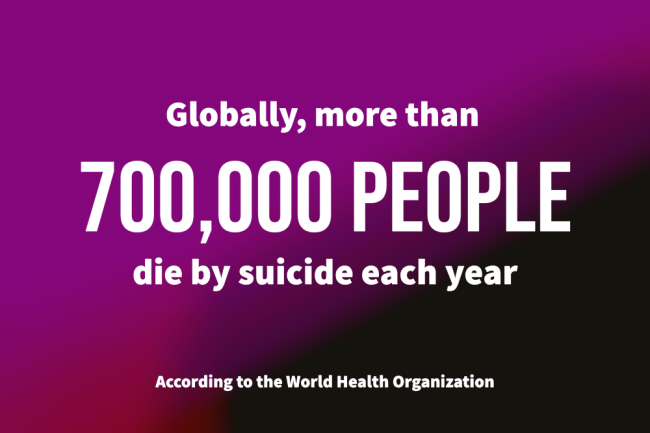
Every 11 minutes, someone in the U.S. dies by suicide—a tragic reality that highlights the critical need for understanding the signs, breaking the stigma, and knowing how to take action.
There is a dire need for education around suicidal thoughts and behaviors, with an emphasis on teaching people to recognize the signs as early as possible.
Do You Need Help Now?
- Call or text 988 for the 988 Suicide & Crisis Lifeline
- Text HELLO to 741-741 for free, 24-hour support from the Crisis Text Line
- Outside the U.S.: find resources at International Association for Suicide Prevention
- Contact your mental health professional
If you are suicidal or are a danger to yourself or others, call 911 or visit your nearest emergency room immediately.
How To De-Escalate a Crisis
What should you do if someone you know is saying they are going to take their own life? Get curious and ask questions. The more information you have, the more help can be provided.
- Ask if they have a suicide plan
- Ask if they have everything they need to end their life: If so, you know they have the means to follow through
- Ask if they have a time during which they are going to carry this out; if they do, you need to act now
- Ask if they know where they are going to do it; this could include another location, their house, or their workplace
- Ask if they intend to do it
- If you believe that a suicide attempt appears imminent, you should call 911; you can also call a local crisis center or take the person to the emergency room
- If you are with the person, remove anything they could use to possibly take their own life, including drugs, alcohol, knives, guns, over-the-counter medications, and even loose cords and strings
Do not leave the other person alone. Whether they are an elderly person, an adult, a teenager, or a child, they should not be left by themselves. This could save someone’s life.
With the help of people who care and trained professionals, individuals experiencing suicidal ideation can be helped.
More Suicide Prevention ToolsSigns and Symptoms of Suicidal Ideation
Research shows that most people who attempt or die by suicide give warning signs and often make efforts to seek help. Recognizing signs and reaching out to help a friend or family member access professional support can make a lifesaving difference.
Although suicide cannot be predicted with certainty, recognizing these warning signs is our best tool. The following behaviors indicate an urgent need for help, either for yourself or a loved one:
- Talking or writing about wanting to die or to harm oneself
- Looking for a way to harm oneself, such as searching online or obtaining a gun
- Talking about feeling hopeless or having no reason to live
If you or someone you know is in immediate danger, contact a crisis line or go to your nearest emergency room.
Other important warning signs can include:
- A strong preoccupation with death
- Saying goodbye as if they’ll never see family/friends again
- Withdrawing completely from friends and family
- Engaging in reckless behaviors, like unsafe driving or self-destructive activities
- Expressing self-hatred or self-loathing
- Getting affairs in order, like making a will or giving away possessions
- Experiencing sudden calmness after a period of distress
If you notice any of these signs, help the person connect with a mental health professional or crisis support immediately.
In Her Own Words
Jessika has worked tirelessly in the field of suicide prevention—urging those who are desperate to step forward and seek help. What she never told anyone until recently was that she, too, tried to end it all when she was just 17.
Read more about Jessika and her mental health story.

Identifying Those at Risk for Suicide
Suicide is a serious public health issue, claiming tens of thousands of American lives each year. Anyone can experience suicidal thoughts, but certain factors increase a person’s vulnerability. Recognizing risk factors, warning signs, and protective factors can help guide timely support.
“Suicidal thinking is common and widespread, especially among people with mental health disorders,” says Dost Öngür, MD, PhD, chief of the Division of Psychotic Disorders at McLean Hospital.
“Yet we don’t have good ways of deciding who is at genuine risk, and who is struggling but won’t go through with hurting themselves.”
About 90% of people who die by suicide have an existing mental health or substance use disorder. These conditions can affect anyone—regardless of gender, age, race, or background.
Risk Factors
Key factors linked to increased risk include:
- Mental health issues: Depression, anxiety, and other disorders can increase suicidal thoughts and behaviors.
- Substance use disorders: Addiction often occurs alongside mental health conditions, raising risk.
- History of abuse or trauma: Past or ongoing emotional, physical, or sexual abuse can increase vulnerability.
- Family history: Relatives who attempted or died by suicide increase a person’s risk.
- Life stressors: Bereavement, legal issues, financial hardship, or major life changes can contribute.
- Marginalized communities: Groups facing stigma or discrimination, including LGBTQ+ and Native American communities, may be at higher risk.
- Armed forces experience: Veterans or active-duty members may face PTSD, difficulty adjusting to civilian life, or strained relationships.
- Chronic medical conditions: Long-term health issues can heighten vulnerability.
- Prior suicide attempts: A history of attempts is one of the strongest predictors of future risk.
Warning Signs
Behaviors that may indicate immediate risk, especially if new or intensified, include:
- Talking about feeling trapped, being a burden, or wanting to die
- Using alcohol or drugs more than usual
- Acting recklessly, withdrawing, or showing agitation
- Changes in sleep, extreme mood swings, or intense anger
- Talking about losing fear of death
“It’s important to understand that these behaviors are signs of serious distress,” notes Öngür. “They do not mean a person will definitely attempt suicide, but they highlight vulnerability and the need for support.”
Protective Factors
Factors that can help reduce risk include:
- Access to effective mental health care
- Strong connections with family, friends, and community
- Problem-solving and coping skills
Understanding risk factors, observing warning signs, and supporting protective factors can reduce stigma, encourage timely help, and provide individuals with the care they need.
Let’s Talk About Suicide
Yeates Conwell, MD, and Anna Precht, PsyD, walk us through the basics of suicide, how to recognize who is at risk, and what to do if someone is struggling.
So How Do We Prevent Suicide?
If someone is showing signs that they may be considering suicide, what is the next step? Often people are unsure if they should tell someone they are worried about them.
Many people are afraid to bring up suicide because they think it is awkward. They also do not want to put the idea in someone’s head.
While it may feel uncomfortable, it is very important to discuss suicide openly and without judgment.
The best way to find out if someone is thinking about attempting suicide is simple: ask. Remember that showing someone you care may help them openly express their feelings of loneliness or hopelessness.
Certain phrases can help start a conversation about suicide. Some examples include:
- I’ve been concerned about you lately. Is it okay if we talk about this?
- I wanted to check in with you. It seems you haven’t been yourself lately. You don’t seem to enjoy activities you previously enjoyed. Is it okay to talk about that?
- I have noticed a bit of a personality shift in you recently. Is it okay if I ask you about it?
- I understand you have been feeling alone recently. Know that whatever you are experiencing, you do not have to go through it alone. I am here for you. Is there something I can do to help?
- I know it is hard to believe this now, but it will get better. Things will change. What is something you are looking forward to?
- Even if you feel like giving up, you do not have to. Remember that you can reach out to me for a helping hand. Is there something I can help you with?
Fact: There is no singular “best” way to help. The most important thing you can do is just to ask how someone is feeling or if they are thinking about hurting themselves.
If people are more comfortable talking about suicide, it is possible for them to get the help they need.
The Impact of Suicide
The truth is that everyone deserves to know that their life matters and that help is available.
By definition, suicide is caused by self-harming behavior with an intent to die. Attempted suicide is a self-directed, intentional behavior with an attempt to die that does not result in death.
When people talk about “suicidal ideation,” this refers to thoughts of suicide. Some people may have thought about or devised a plan to end their own lives yet have not acted on it.
To put suicide’s impact into perspective, it leads to nearly twice as many deaths every year as homicide.
Suicide doesn’t discriminate—it affects people of all ages, including children. Close to 10% of high school students report having attempted suicide at least once during the preceding year.
Dispelling Myths About Suicide
Though there has been progress around encouraging people to openly discuss suicide, there is still a lot of work to be done. Some of the most common misconceptions that surround suicide include:
Myth: People Who Talk About Suicide Likely Won’t Act on It
If someone is talking about suicide, it is a sign that they potentially need help. You should use this as an opportunity to ask them how they are feeling and ensure that they are safe.
Myth: People Who Die by Suicide Must Be Crazy
First, there are some people who accidentally take their own lives. Second, not everyone who dies by suicide has a diagnosed mental health condition.
People take their lives for many reasons, including because they are overcome with grief, are in a state of despair, are experiencing intense emotional pain, or are struggling with an undiagnosed mental health disorder. Mental health conditions are just one of many factors that can contribute to a person’s mental state during these difficult moments.
Myth: People End Their Lives Because They Do Not Want To Seek Help
The overwhelming majority of people who die by suicide seek help before attempting or completing this action. More than half of all victims of suicide sought medical care within 30 days prior to their death, and over 90% sought medical care within the year leading up to their death.
Myth: We Shouldn’t Talk About Suicide Because We Will Put the Idea Into People’s Heads
Talking about suicide doesn’t make people more likely to take their lives. The reverse is true. By talking honestly about issues that lead to suicide, it is possible to convince people to get the help they need.
Free Suicide Prevention Course
This dynamic course is designed to empower both seasoned professionals and those new to the topic with the essential skills to reduce suicide and respond effectively in its aftermath.
Watch the course now on demand!

Changing Our Current Thinking About Suicide
To reduce suicide rates, it is important to change the way we talk about those affected by suicide.
Sadly, there is a stigma related to suicide, and the people impacted by this stigma include friends and family of those who have died as well as those who have survived a suicide attempt. The causes of this type of stigma often include misunderstanding, fear, and ignorance.
Society can view those who attempt or die by suicide as “not normal” and therefore apply this view onto the survivors. Avoidance, shaming, stereotyping, and distrust toward those affected by suicide only help to reinforce the idea that they are different, even though suicide can affect any family at any time.
So what can be done to dispel stigma? The following are some of the ways we can reduce the stigma surrounding suicide:
1. Spread the Word: Suicide Is Complex
It is usually caused by multiple factors. There is often no single cause of suicide.
2. Be Aware That People With Suicidal Thoughts Don’t Always Go On To Take Their Lives
Many people do not realize just how common suicidal ideation is. They are only aware of instances when someone has died by suicide.
3. Let Everyone Know Support Is Available
If people understand that mental health resources exist, the stigma surrounding suicide and suicidal ideation will begin to fade.
4. Be Honest and Upfront About the Grieving Process for People Who Died by Suicide
It’s important that people understand the severe impacts of suicide loss on survivors, including dealing with a sudden loss and the questions that are often left unanswered.
5. Use Nonjudgmental Language When Discussing Suicide
If we change the language we use to discuss suicide, we can also shift thoughts about suicidal behavior.
How’s Your Head?
Take a mental health screening to get insight into how you’re really doing—and what to do next.
Suicide Prevention Resources
Find access to general resources, as well as resources to support members of communities such as LGBTQ+, veterans, teens, Native Americans, health care professionals, and more.
For Everyone
988 Suicide & Crisis Lifeline
If you are suicidal, please call or text 988. You’ll be connected to a skilled, trained counselor at a crisis center in your area. Counselors are available 24 hours a day, seven days a week. The Suicide Prevention Lifeline website also offers many resources for those looking for support.
American Foundation for Suicide Prevention
The American Foundation for Suicide Prevention (AFSP) is dedicated to saving lives and bringing hope to those affected by suicide. AFSP creates a culture that’s smart about mental health through education and community programs, develops suicide prevention through research and advocacy, and provides support for those affected by suicide. AFSP has local chapters in all 50 states, with programs and events nationwide.
Befrienders Worldwide
This international organization connects a global network of help centers with the goal of providing emotional support to people when they are suicidal. The volunteers also aim to alleviate loneliness, despair, and depression by listening to those who feel they have nowhere else to turn.
International Association for Suicide Prevention
The International Association for Suicide Prevention (IASP) is a global leader in suicide prevention through strategic partnerships and action based in research aimed at reducing the incidence of suicide and suicidal behavior.
Samaritans
Samaritans is a non-denominational, not-for-profit volunteer organization dedicated to reducing the incidence of suicide by befriending individuals in crisis and educating the community about effective prevention strategies.
As part of the national 988 Suicide and Crisis Lifeline, Samaritans provides free and confidential 24-hour support. Call or text 988, available 24/7. They also offer Hey Sam, a peer-to-peer texting service for people up to 24 years old. Text 439-726, available 9am-12am (midnight) ET.
Stop A Suicide Today
Stop A Suicide Today is a nationwide campaign that aims to empower individuals to help themselves, colleagues, friends, and loved ones who are concerned about or feel suicidal.
Suicide Prevention Resource Center
The Suicide Prevention Resource Center is the only federally supported resource center devoted to advancing the implementation of the National Strategy for Suicide Prevention.
Zero Suicide
Zero Suicide works under the belief that suicide deaths for individuals under the care of health and behavioral health systems are preventable. For systems dedicated to improving patient safety, they present an aspirational challenge and practical framework for transformation toward safer suicide care.
For Teens
These organizations offer support pointed specifically toward parents and teens:
Society for the Prevention of Teen Suicide – Information for parents
A nonprofit organization that provides specialized training programs, educational information, and resources for teens, parents, and educational leaders with the aim of increasing awareness, reducing the stigma of suicide, and saving lives. They provide information and resources for parents, including information about warning signs, risk factors, and talking to kids about suicide, as well as crisis resources.
Society for the Prevention of Teen Suicide – Information for teens
A nonprofit organization that provides specialized training programs, educational information, and resources for teens, parents, and educational leaders with the aim of increasing awareness, reducing the stigma of suicide, and saving lives. Their website provides information and resources for teens, including crisis resources and information on warning signs.
988 Suicide & Crisis Lifeline
If you are suicidal, please call or text 988. You’ll be connected to a skilled, trained counselor at a crisis center in your area. Counselors are available 24 hours a day, seven days a week. The Suicide Prevention Lifeline website also offers many resources for those looking for support.
Trevor Project – Support for LGBTQ+ youth
This organization provides crisis intervention and suicide prevention services to lesbian, gay, bisexual, transgender, queer, and questioning young people. They provide a number of programs and services, including educational information, resources, and trainings, and are involved in innovative research. They also offer phone and text hotlines.
For Veterans
Veterans Crisis Line
The Veterans Crisis Line is a free, confidential resource, part of the national 988 Suicide & Crisis Lifeline, that’s available to anyone, even if you’re not registered with VA or enrolled in VA health care. The caring, qualified responders at the Veterans Crisis Line are specially trained and experienced in helping veterans of all ages and circumstances. Call 988 then press 1 or text 838255.
U.S. Department of Veterans Affairs – Suicide prevention resources
VA prioritizes preventing suicide among all veterans—whether or not they seek care within the VA health care system. Find information, statistics, support resources, and how to get help.
988 Suicide & Crisis Lifeline
If you are suicidal, please call or text 988. You’ll be connected to a skilled, trained counselor at a crisis center in your area. Counselors are available 24 hours a day, seven days a week. The Suicide Prevention Lifeline website also offers many resources for those looking for support.
More Resources
Veterans and their family members may also find this information helpful:
- Learn more about the effects of trauma on military members and their families
- Visit our veterans mental health resource page
For LGBTQ+ Community
Trevor Project – Support for LGBTQ+ youth
The Trevor Project’s main goal is to end suicide among LGBTQ+ youth. They do this through crisis services for those in need, and public advocacy and education to spread useful information for allies, friends, and family. Counselors are available 24/7. Call 1.866.488.7386, text START to 678-678, or chat online.
988 Suicide & Crisis Lifeline
If you are suicidal, please call or text 988. You’ll be connected to a skilled, trained counselor at a crisis center in your area. Counselors are available 24 hours a day, seven days a week. The Suicide Prevention Lifeline website also offers many resources for those looking for support.
American Foundation for Suicide Prevention – LGBTQ+ resources
The AFSP is dedicated to saving lives and bringing hope to those affected by suicide through education, community programs, research, and advocacy. They have local chapters in all 50 states, with programs and events nationwide. Their website offers crisis and support information and resources specific to members of the LGBTQ+ communities.
LGBT National Help Center
All of the help center’s support volunteers identify as part of the LGBTQ+ community. They provide free and confidential peer support, information, and local resources through national hotlines and online programs. The Help Center also offers online peer support chat and weekly youth chatrooms. To access their hotlines:
- LGBT National Hotline: 1.888.843.4564
- LGBT National Youth Talkline: 1.800.246.7743
- LGBT National Senior Hotline: 1.888.234.7243
- LGBT National Coming Out Support Hotline: 1.888.688.5428 (1.888.OUT.LGBT)
Trans Lifeline
The Trans Lifeline is run by transgender individuals for the transgender community. It offers a hotline and a connected “family and friends” hotline that can be called to offer support in a crisis or to offer a listening ear if an individual feels they could benefit from having someone to talk to, particularly someone with lived experience of being transgender. In the U.S., call 1.877.565.8860. In Canada, call 1.877.330.6366.
More Resources
Learn more about LGBTQ+ mental health and get access to even more resources
For Native American Community
988 Suicide & Crisis Lifeline
If you are suicidal, please call or text 988. You’ll be connected to a skilled, trained counselor at a crisis center in your area. Counselors are available 24 hours a day, seven days a week. The Suicide Prevention Lifeline website also offers many resources for those looking for support.
Anxiety & Depression Association of America – Native and Indigenous Communities
ADAA offers dedicated resources for Native and Indigenous communities, highlighting culturally responsive care, traditional approaches to healing, and tools to support mental well-being. The organization also provides research-based information and education to improve the understanding and treatment of anxiety, depression, and related disorders.
Indian Health Service
IHS provides a comprehensive health service delivery system for approximately 2.6 million American Indians and Alaska Natives who belong to 574 federally recognized tribes. Their Suicide Prevention and Care Program includes resources specifically for American Indian and Alaska Native families and communities.
Suicide Prevention Resource Center – American Indian/Alaska Native settings
SPRC is the only federally supported resource center devoted to advancing the implementation of the National Strategy for Suicide Prevention. Their website provides information and resources specific to American Indians and Alaska Natives.
Zero Suicide – Resources for Native American and Alaska Native populations
Zero Suicide seeks to transform the way health systems care for people with suicidal thoughts and urges. Zero Suicide is several things: an aspirational goal designed to catalyze transformational change, a suicide care model with specific practices for health systems to employ, and a movement seeking to make health care settings safer and more compassionate for people with suicidal thoughts and urges.
They offer an array of resources for Native Americans and Alaska Natives, including toolkits and inspirational stories.
More Resources
Learn more about Native American mental health and get access to even more resources
For Health Care Professionals
Ready To Respond: Managing and Treating Suicide Risk Course
This virtual course is designed to teach practical, hands-on strategies to manage suicide risk in the clinic, the workplace, and at home.
Heroes of Hope: Suicide Prevention Course
This dynamic online course is designed to empower health care, educational, and industry professionals with the essential skills to reduce suicide and respond effectively in its aftermath. Continuing medical education credits are available for a variety of disciplines.
American Federation for Suicide Prevention – resources for health care workers
The AFSP provides access to resources specifically aimed at health care professionals, including organizations that support crisis management, suicide prevention, grief and loss, and more.
More Resources
Understanding Cutting and Self-Injury
Cutting and other forms of self-harm can be extremely frightening for parents and teens alike. But what is cutting and how can we help people who engage in self-injury?
Helping a Loved One Who Is Struggling
What should you do if a loved one is thinking about harming themselves or taking their own life?
Do not argue with someone who is suicidal. Let them know that their feelings are valid. This is not about you. It’s about them.
Do not act shocked or let your emotions take over. It is common for people to be surprised when they hear someone is thinking about taking their own life because it is hard to put yourself in their shoes. Do everything you can to remain emotionally grounded.
Talking About Suicide Is the Best Way to Prevent It
Do not promise to keep their suicidal thoughts to yourself. Even though you want the other person to open up to you, you will have to tell someone else about what they are going through. That is the only way you can get them the help they need.
Do not promise to fix everything for them. Even a psychiatrist cannot singlehandedly help someone with their suicidal thoughts. Remember that you will need to ask for help from other people.
Do not say you understand what the other person is going through. Unless you are having suicidal thoughts yourself, you cannot understand what they are experiencing.
Do not blame yourself. You are not responsible for someone else’s actions. Your loved one’s problems are much bigger than yourself.
While the list of things not to do can seem like a lot, there are easy ways to show your support as well.
Try to be yourself. Simply let the other person know that they do not have to go through this alone. If you cannot find the right words, start by saying that.
Make sure to listen. Make sure the other person knows that you are listening to what they have to say. No matter how heartbreaking it is to hear, they need you to listen.
Be nonjudgmental. Be aware of your body language and remain as open as you can. The other person is doing the right thing by telling you what they are experiencing.
Make sure the other person knows there is hope. Reassure them that help is available. Let them know that they have something to look forward to.
Take what they have to say seriously.
You should make sure the other person gets help. Calling a suicide hotline, taking them to an emergency room, or dialing 911 are all good starting points.
Contributors
Treatment works—and it starts with one conversation. If you or your loved one is ready to take the next step, call McLean Hospital at 800.333.0338 and connect with care that makes a difference.
Before You Go!