Changing the Conversation About Eating Disorders
Hope and healing grow when we share real experiences, educate with compassion, and train those who support recovery from eating disorders
Eating disorders are serious illnesses, but recovery is possible—and it begins with understanding. Through powerful lived experience storytelling, expert education, and professional training, we are reshaping how eating disorders are seen and treated.
Whether you are on your own healing journey, supporting someone you love, or working to make a difference as a provider, you are part of the change. Together, we can replace stigma with support and silence with strength.
In-Depth Guides
Start Reading About Eating Disorders



Real Stories, Real Connections
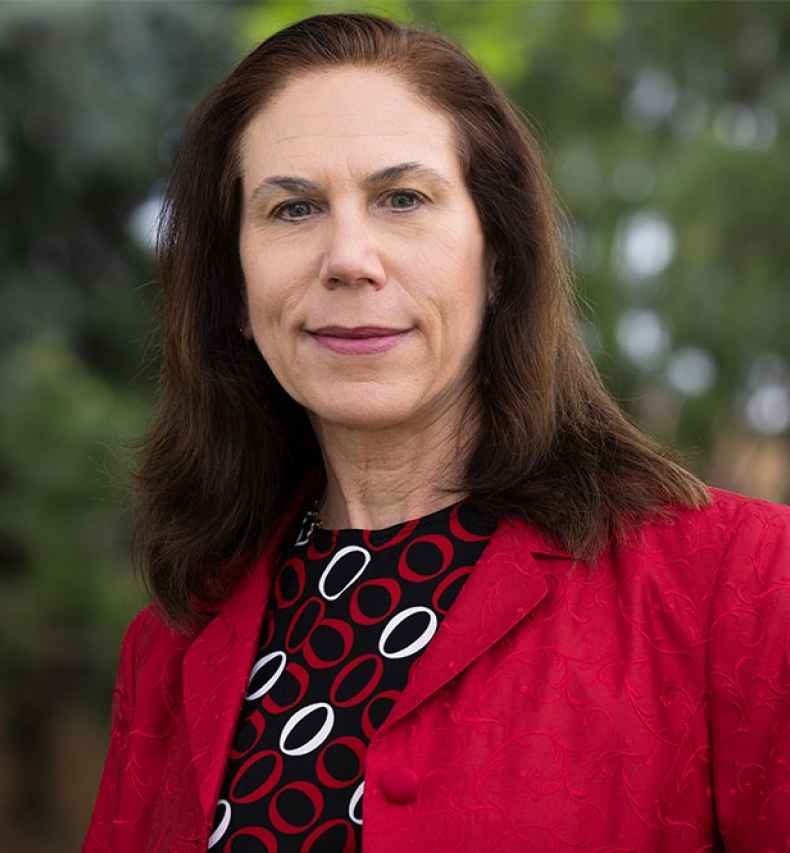
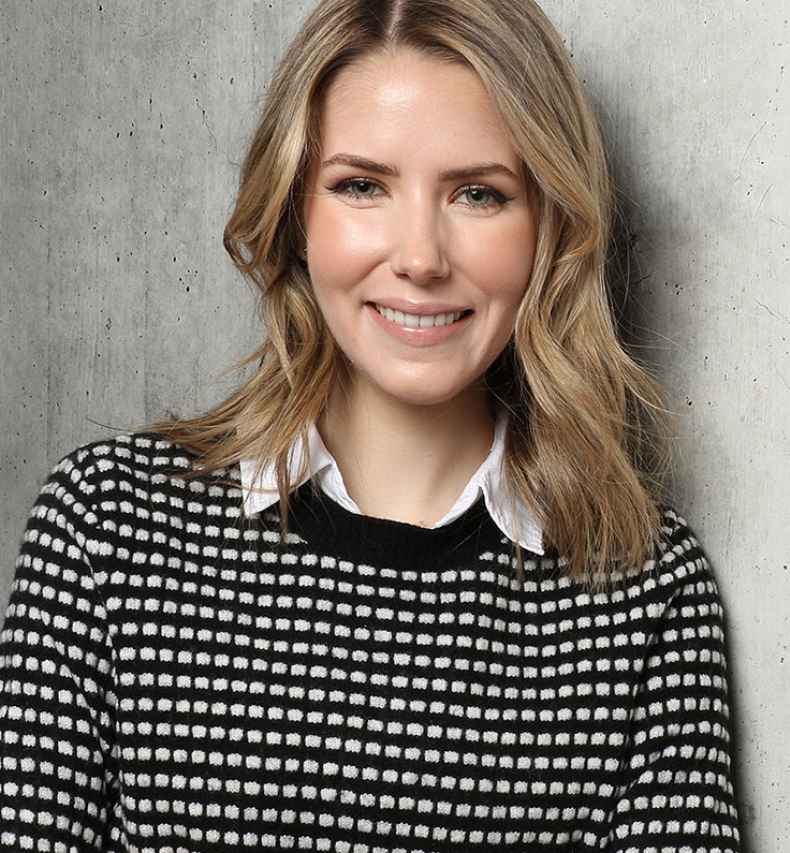
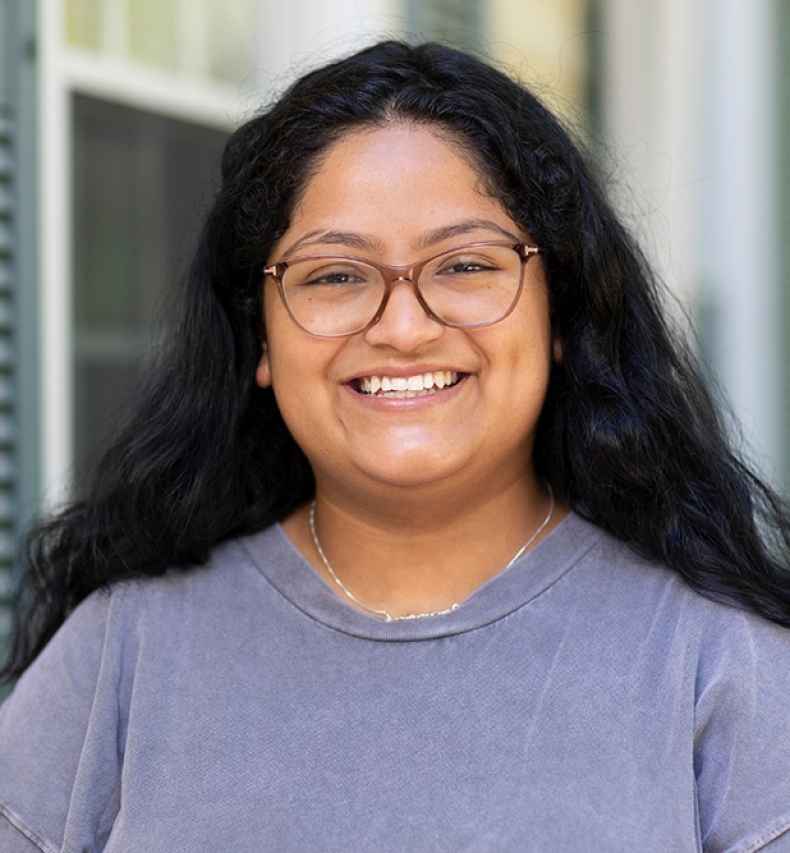
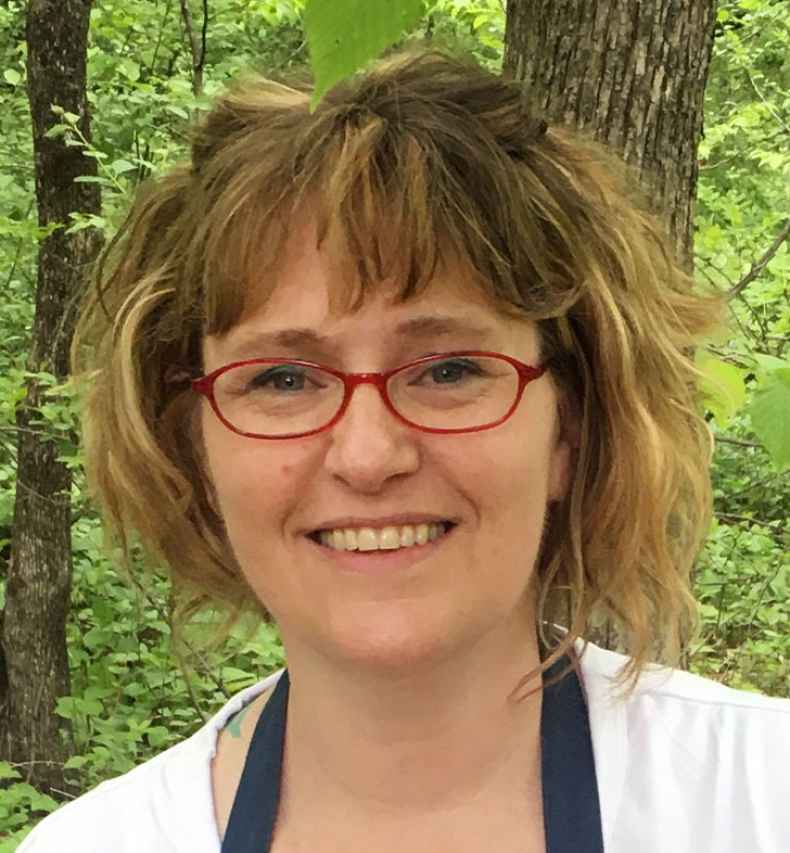
What Is It Like To Live With an Eating Disorder?


Watch Now and Learn!
Webinars and Courses About Eating Disorders
David J. Alperovitz, PsyD, provides an overview of eating disorders, shares tips for recognizing key warning signs, and answers audience questions about how anorexia, bulimia, binge eating disorder, and ARFID are diagnosed and treated. Watch here now or learn more about this training.
Eating Disorder Resources
Eating disorders can affect both physical health and emotional well-being, often making daily life feel overwhelming. Connecting with trusted resources, understanding treatment options, and engaging with supportive communities can help people feel less alone and take meaningful steps toward recovery.
For those living with an eating disorder and their loved ones, guidance and resources can offer reassurance, reduce isolation, and remind everyone that help, understanding, and hope are available.
Support Organizations
These organizations offer resources and information on eating disorders that you may find helpful.
Academy for Eating Disorders
AED is a global community of researchers and clinicians that advances eating disorder research, treatment, and prevention. The organization offers education and training for providers, develops evidence-based resources, and advocates for improved care standards worldwide.
Eating Disorders Anonymous
Eating Disorders Anonymous is a 12-step fellowship providing peer-led support for individuals struggling with any form of disordered eating. The organization emphasizes shared experience, accountability, and ongoing recovery.
Eating Disorders Coalition
The Eating Disorders Coalition advocates for improved policies, funding, and public awareness to support people with eating disorders. Working closely with lawmakers and the public, the organization focuses on addressing gaps in care and promote prevention initiatives.
Multi-Service Eating Disorders Association
MEDA offers education, treatment referrals, and support programs for individuals and families affected by eating disorders. Their services include community outreach, workshops, and guidance to help navigate the recovery process.
National Alliance for Eating Disorders
The National Alliance for Eating Disorders provides education, advocacy, and outreach to individuals and families affected by eating disorders. The organization offers workshops, community programs, and public campaigns to raise awareness and reduce stigma.
National Association of Anorexia Nervosa and Associated Disorders
ANAD offers peer support, helplines, and educational programs for people living with anorexia, bulimia, and other eating disorders. Its initiatives focus on recovery, empowerment, and creating supportive communities.
National Eating Disorders Association
NEDA is a national leader in eating disorder education, support, and advocacy. The organization offers a helpline, online support, screening tools, and comprehensive resources for individuals, families, and professionals.
Featured Resources
From toolkits to podcasts and more, here are a few of the great online resources available to learn more about eating disorders.
Eating Disorders Information Library – ANAD
Explore easy‑to‑understand articles explaining eating disorder types, warning signs, and treatment concepts to help deepen understanding and reduce stigma.
Toolkits & Shareable Resources – NEDA
Access practical downloadable guides designed to support awareness, early detection, and coping strategies for individuals and caregivers.
Video: Understanding Your Child’s Eating Disorder – KidsHealth
Watch an expert video explaining what eating disorders are, how they’re treated, and ways families can support recovery.
The Appetite: Eating Disorder Podcast – Opal: Food + Body Wisdom
Listen to discussions on eating disorders, food, body image, and recovery hosted by clinicians and experts in the field.
Suggested Reading
From evidence-based perspectives to lived-experience memoirs, this selection of books is a great starting point if you want to expand your understanding of eating disorders.
Eating Disorders: A Guide to Medical Care and Complications
by Philip S. Mehler, MD & Arnold E. Andersen, MD
This authoritative medical guide explains how eating disorders affect nearly every system in the body. The authors lay out a clear understanding of medical risks, assessment, and treatment considerations across diagnoses including anorexia nervosa, bulimia nervosa, binge eating disorder, and ARFID.
Sick Enough: A Guide to the Medical Complications of Eating Disorders
by Jennifer L. Gaudiani, MD
This book challenges harmful myths about who qualifies as “sick enough” to need care for an eating disorder. Readers learn how eating disorders can cause serious medical consequences at any size and how early, appropriate treatment supports recovery.
Life Without Ed
by Jenni Schaefer with Thom Rutledge, LCSW
This recovery-focused book helps readers externalize their eating disorder and reclaim a sense of identity beyond it. Using an accessible, compassionate framework, the author explores motivation, self-compassion, and practical steps toward lasting recovery across eating disorder diagnoses.
Brave Girl Eating
by Harriet Brown
Brown chronicles her family’s experience supporting her daughter through anorexia nervosa using family-based treatment. The book blends personal narrative with clear explanations of evidence-based care, offering guidance and reassurance to caregivers navigating treatment decisions.
Decoding Anorexia
by Carrie Arnold
Arnold examines the biological, genetic, and neurological factors that contribute to anorexia nervosa. The book frames anorexia as a complex condition shaped by brain and behavior, helping readers understand the challenges of healing.
Overcoming Binge Eating
by Dr. Christopher G. Fairburn
Written by a leading researcher in eating disorder treatment, this book presents a structured, evidence-based approach to binge eating disorder. The authors show how cognitive behavioral strategies address binge cycles, regulate eating patterns, and support long-term change.
Getting Better Bite by Bite
by Dr. Ulrike Schmidt, Dr. Janet Treasure, and June Alexander
This practical guide supports recovery from bulimia nervosa and related eating disorders using cognitive behavioral principles. Readers find structured strategies for reducing binge-purge behaviors, normalizing eating, and addressing underlying thought patterns.
The Broken Mirror: Understanding and Treating Body Dysmorphic Disorder
by Katharine A. Phillips, MD
This comprehensive guide explains the features, causes, and treatment of body dysmorphic disorder. The book shares insight into how distorted body image develops and how evidence-based treatments such as CBT and medication support recovery.
ARFID: Avoidant Restrictive Food Intake Disorder—A Guide for Parents and Caregivers
by Rachel Bryant-Waugh, DClinPsy
This book explains ARFID and how it differs from other eating disorders, particularly in children and adolescents. Caregivers learn how evidence-based approaches address sensory sensitivities, fear-based avoidance, and nutritional concerns while supporting gradual progress.