Changing How We Talk About Bipolar Disorder
Through real experiences, education, and professional training, we’re challenging misconceptions and building understanding around bipolar disorder
Bipolar disorder is often misunderstood or sensationalized—but the reality is far more human. Through powerful lived experience storytelling, expert education, and professional training, we are reshaping how bipolar disorder is seen and treated.
Whether you are on your own healing journey, supporting someone you love, or working to make a difference as a provider, you are part of the change. Together, we can replace stigma with support and silence with strength.
In-Depth Guides
Start Reading: Bipolar Disorder

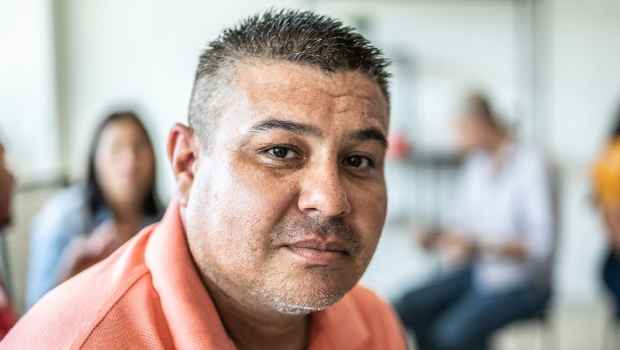

Real Stories, Real Connections
What Is It Like To Live With Bipolar Disorder?
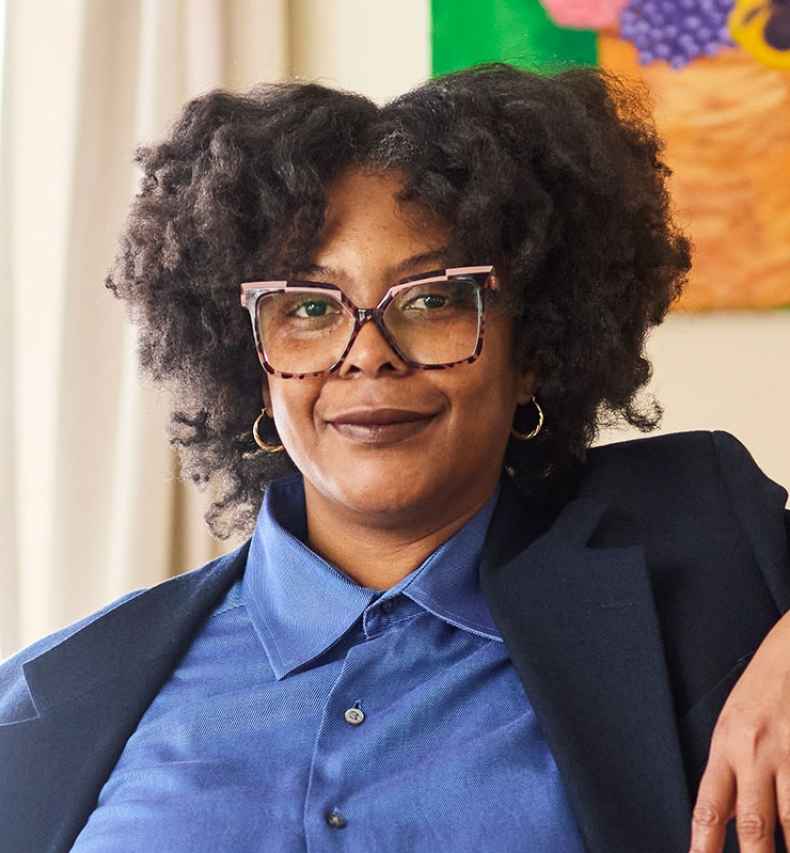

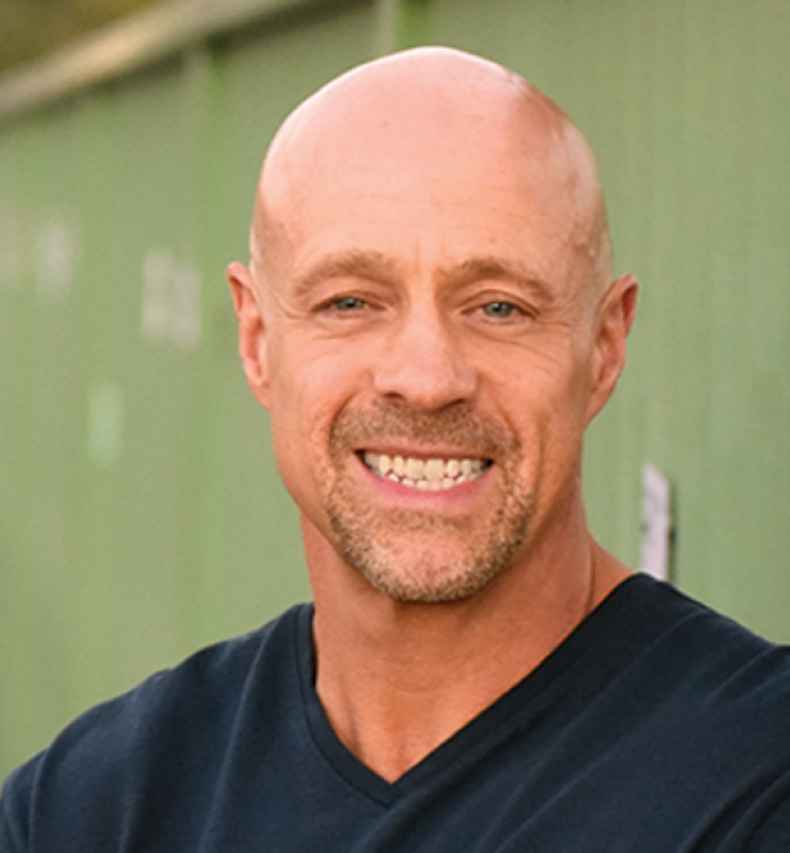



Watch Now and Learn!
Webinars and Courses About Bipolar Disorder
Kirsten W. Bolton, LICSW, discusses the various forms of bipolar disorder, shares tips for identifying manic and depressive episodes, and answers questions about effective treatment methods and additional supports for someone living with BD. Watch here now or learn more about this training.
Bipolar Disorder Resources
People affected by bipolar disorder may face challenges related to mood shifts, stigma, or finding strategies that help them feel steady and supported. Opening up about these experiences can feel vulnerable, and locating information or care that feels relevant and trustworthy is not always easy.
Resources can offer support, guidance, and practical tools to help people understand their experiences, build coping skills, and strengthen connections within their families and communities.
Support Organizations
These organizations offer resources and information on bipolar disorder that you may find helpful.
Depression and Bipolar Support Alliance
DBSA connects people living with bipolar disorder to peer support, online communities, and self-management tools. The organization helps individuals and families navigate mood episodes, reduce isolation, and develop practical strategies for daily life.
International Bipolar Foundation
The International Bipolar Foundation focuses on raising awareness and providing practical guidance for those affected by bipolar disorder. They offer webinars, educational materials, and interactive programs designed to help individuals understand their condition and manage symptoms effectively.
International Society for Bipolar Disorders
ISBD promotes research, education, and knowledge-sharing about bipolar disorder worldwide. Its resources help patients, families, and clinicians access the latest evidence-based findings and tools for understanding and managing the condition.
Schizophrenia and Psychosis Action Alliance
The Schizophrenia and Psychosis Action Alliance works to support individuals living with schizophrenia and other psychotic disorders through advocacy, education, and public awareness campaigns. The organization also provides connections to resources for families and caregivers seeking guidance and support.
SPIRIT Center
The SPIRIT Center (Supporting Psychosis Innovation Through Research, Implementation & Training at the University of Washington) focuses on training, research, and educational outreach for psychosis care. The center’s publicly available resources guide families, clinicians, and community organizations on evidence-based interventions and innovative approaches to support people living with psychosis.
Featured Resources
From toolkits to podcasts and more, here are a few of the great online resources available to learn more about bipolar disorder.
Bipolar Disorder Overview – Mental Health America
Explore clear, accessible information on symptoms, treatment options, and everyday strategies for managing bipolar disorder.
DBSA Wellness Wheel – Depression and Bipolar Support Alliance
Use this interactive tool to track personal wellness across mood, sleep, relationships, and self-care to support daily management of bipolar disorder.
This Is Bipolar Podcast
Listen to lived experience stories and expert insights that provide practical guidance and help reduce stigma around bipolar disorder.
Suggested Reading
From evidence-based perspectives to lived-experience memoirs, this selection of books is a great starting point if you want to expand your understanding of bipolar disorder.
An Unquiet Mind: A Memoir of Moods and Madness
by Kay Redfield Jamison, PhD
Jamison shares her personal experience with bipolar disorder while drawing on her clinical expertise as a psychologist. The book explores the realities of mania and depression, offering insight into both the challenges and the possibilities for living with the condition.
The Bipolar Disorder Survival Guide: What You and Your Family Need To Know
by David J. Miklowitz, PhD
Miklowitz provides evidence-based strategies for managing bipolar disorder, including treatment options, mood tracking, and lifestyle adjustments. Now in its 3rd edition, the guide helps both individuals and families understand the condition and build practical approaches for stability and recovery.
Bipolar, Not So Much: Understanding Your Mood Swings and Depression
by Chris Aiken, MD, and James Phelps, MD
This book examines the bipolar spectrum, including milder or mixed forms that are often overlooked. The authors guide readers through self-assessment, symptom recognition, and strategies for managing mood swings effectively.
Marbles: Mania, Depression, Michelangelo & Me
by Ellen Forney
Forney illustrates her experience with bipolar disorder through a graphic memoir that blends narrative and visual storytelling. The book conveys the highs and lows of mania and depression while showing how creativity, treatment, and self-awareness intersect in daily life.
Perfect Chaos: A Daughter’s Journey To Survive Bipolar, a Mother’s Struggle To Save Her
by Linea Johnson & Cinda Johnson
This dual memoir follows a young woman’s experience with bipolar disorder and her mother’s perspective, showing how the disorder affects family dynamics. Readers gain insight into daily challenges, treatment, and the ways families navigate support, crisis, and recovery together.