David
David
Connection creates hope
I was saved from dropping off a 740-foot bridge about two hours north of the Golden Gate Bridge. That experience began my journey away from ‘mental hellness,’ and into the space of mental wellness.
By the time that David, a then 48-year-old man, was standing atop a bridge and contemplating suicide, he had been carrying the heavy weight of childhood trauma and depression for years. As a first responder supported him, he stepped away from the bridge and started on the path of addressing his mental health.
Afterward, David discovered that mental health struggles were common in his family. His father struggled with depression before dying at age 40, and his grandfather died by suicide before that. As David began to name and accept his own struggles, he learned to lean on the support of his family, the positive people in his life, and other various loved ones as he sought treatment.
David experienced inpatient hospitalizations and attended group therapy and regular counseling sessions, dedicating himself to a treatment regimen that prioritizes self-care and time outdoors along with psychiatric medications and talk therapy.
When his routine began to feel stagnant, David remained hopeful and broadened his horizons to include electroconvulsive therapy (ECT).
My family didn’t know what to do because I had fallen into treatment-resistant depression. Now I’m on smaller doses of ECT, and it has been amazing—an extraordinary experience.
“A major part of wellness is the experience of connection. Connection creates hope. And you can create a connection with anyone—anytime, anyplace, anywhere.”
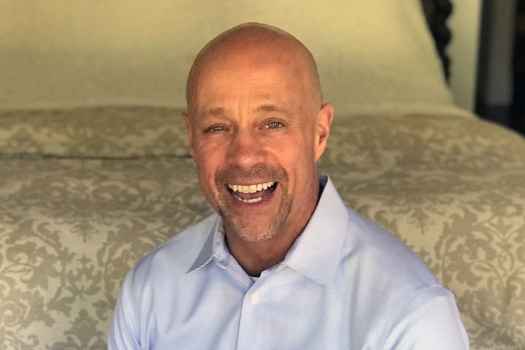
Now, David’s treatment and life experiences have translated into his job. As a motivational speaker, he travels the country speaking about his suicide attempt to raise awareness. He tells his audiences about the importance of sparking a conversation or just remembering somebody’s name.
A major part of wellness is the experience of connection. Connection creates hope. And you can create a connection with anyone—anytime, anyplace, anywhere.
David hopes to continue to challenge the way that the world understands suicidality. To him, the idea of preventing suicide is essential, but it’s only the first step in keeping people alive. His outlook takes a creative perspective: life preservation.
The key to reducing the number of deaths by suicide is to concentrate on life preservation. This seeks to establish something positive, not just eliminate a negative.
David enjoys connection not only through his work as a speaker but also in his spare time, where he works as a rideshare driver. He loves connecting with passengers and listening to their life stories and hopes to someday write a book recounting his stories behind the wheel.
David acknowledges that his life continues to have its seasons of struggles with depression, but he remains hopeful. By sharing his experiences with the world, David aims to challenge the fear of the unknown that surrounds suicide and depression.
At its core, stigma often comes from fear. A lot of people do not truly want to hate or discriminate as much as they are simply afraid of it.