Bringing Understanding to Psychosis Spectrum Disorders
Through real experiences, education, and professional training, we’re challenging misconceptions and building understanding around psychosis spectrum conditions
Psychosis is often feared, misunderstood, or sensationalized—but the reality is far more human. With the help of honest storytelling, compassionate education, and specialized training for those who provide care, we’re reshaping how psychosis is seen and supported.
Whether you’re navigating psychosis yourself, supporting a loved one, or working in mental health care, this space offers knowledge, community, and hope. Together, we can replace stigma with understanding and isolation with connection.
In-Depth Guides
Start Reading: Psychosis Spectrum Disorders



Real Stories, Real Connections
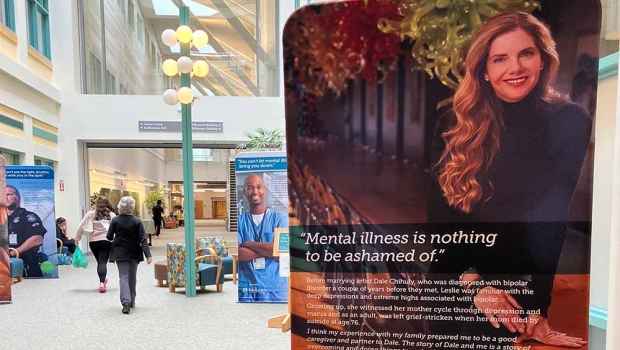
What Is It Like To Struggle With Psychosis?





Watch Now and Learn!
Webinars and Courses About Psychosis Spectrum Disorders
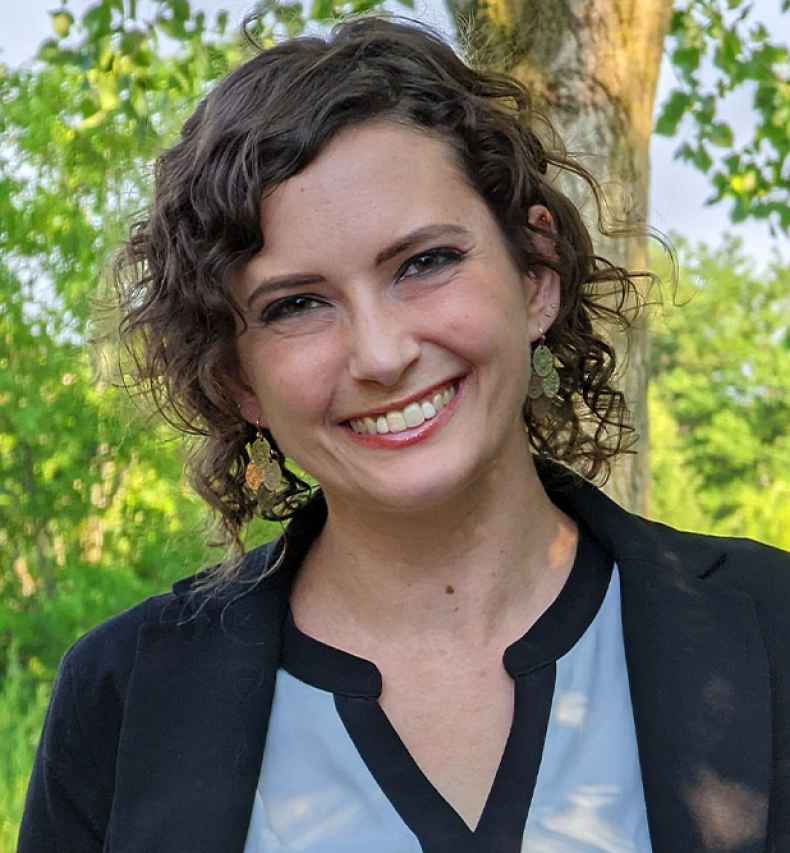
Kathryn Eve Lewandowski, PhD, provides an overview of both schizophrenia and the different types of bipolar disorder, shares tips for spotting their signs and seeking treatment, and answers audience questions about successfully supporting someone living with these conditions. Watch here now or learn more about this training.
Psychosis Spectrum Disorder Resources
People experiencing psychosis spectrum disorders may face challenges related to perception, thought, or social connection, and finding strategies that help them feel safe and supported is not always easy. Opening up about these experiences can feel vulnerable, and accessing information or care that feels trustworthy can take time.
Resources can offer guidance, support, and practical tools to help individuals understand their experiences, build coping skills, and strengthen connections with family, friends, and communities.
Support Organizations
These organizations offer resources and information on psychosis that you may find helpful.
Depression and Bipolar Support Alliance
DBSA offers peer-led support and education for people living with mood disorders, including bipolar disorder with psychotic features. The organization is known for its nationwide support groups and resources grounded in lived experience.
Early Psychosis Intervention Network (EPINET)
EPINET is a national learning health care network linking early psychosis clinics through regional hubs across the country. Sponsored by the National Institute of Mental Health, the network supports standardized data collection and research to accelerate advances in early psychosis care and recovery outcomes. Their website also offers resources for patients and families.
Schizophrenia and Psychosis Action Alliance
The Schizophrenia and Psychosis Action Alliance works to improve outcomes for people living with schizophrenia and other psychosis spectrum disorders through advocacy, education, and collaboration. The organization focuses on lived experience and promotes recovery-oriented, person-centered systems of care.
Schizophrenia International Research Society
The Schizophrenia International Research Society is a global organization dedicated to advancing research on schizophrenia and related psychosis spectrum disorders. The group promotes scientific collaboration, education, and dissemination of research to improve understanding and treatment.
SPIRIT Center
The SPIRIT Center (Supporting Psychosis Innovation Through Research, Implementation & Training at the University of Washington) focuses on training, research, and educational outreach for psychosis care. The center’s publicly available resources guide families, clinicians, and community organizations on evidence-based interventions and innovative approaches to support people living with psychosis.
Featured Resources
From toolkits to podcasts and more, here are a few of the great online resources available to learn more about psychosis.
Psychosis Overview & Support – NAMI
Explore the signs, symptoms, and causes of psychosis, learn about connections to schizophrenia and related disorders, and access guidance for support.
Schizophrenia & Psychosis Resource Center – Treatment Advocacy Center
Access articles, FAQs, and practical tools covering schizophrenia spectrum disorders and other psychosis-related conditions for individuals and caregivers.
Online Support Groups – Hearing Voices USA
Join moderated, peer-led online groups offering community, support, and shared strategies for people experiencing voices or other psychosis symptoms.
Inside Schizophrenia Podcast – PsychCentral
Listen to episodes exploring real-life experiences, expert insights, and strategies for understanding and managing schizophrenia and psychosis spectrum symptoms.
Suggested Reading
From evidence-based perspectives to lived-experience memoirs, this selection of books is a great starting point if you want to expand your understanding of psychosis.
Rethinking Madness: Towards a Paradigm Shift in Our Understanding and Treatment of Psychosis
by Paris Williams, PhD
This book challenges conventional understanding of psychosis, offering a perspective that emphasizes meaning, context, and psychological integration. Williams combines insight from her research with case examples to help readers understand psychosis experiences as complex phenomena rather than solely symptoms to suppress.
I Am Not Sick, I Don’t Need Help!
by Xavier Amador, PhD
Amador presents practical strategies for supporting individuals with psychosis who lack insight into their condition. The book introduces the LEAP approach, demonstrating how empathetic communication and understanding motivation can improve engagement with treatment and strengthen recovery outcomes.
The Center Cannot Hold: My Journey Through Madness
by Elyn R. Saks, JD, PhD
Saks recounts her personal experience living with schizophrenia while pursuing a distinguished career in law and academia. The memoir combines narrative with reflection on treatment, resilience, and identity, providing readers with both a lived experience perspective and insight into the challenges of balancing recovery with life goals.
Surviving Schizophrenia: A Family Manual
by E. Fuller Torrey, MD
Torrey offers a comprehensive guide to schizophrenia and related psychosis spectrum disorders, with a strong focus on family education and support. The book covers causes, symptoms, treatment options, and prognosis, helping caregivers and loved ones navigate the complexities of care and recovery.
Hidden Valley Road: Inside the Mind of an American Family
by Robert Kolker
Kolker tells the story of a family in which six of twelve children developed schizophrenia, combining intimate biography with scientific context. The book explores genetics, clinical care, and family dynamics, giving readers a nuanced view of how psychosis can affect both individuals and those around them.
Living With Schizoaffective Disorder
by Nicole E. Peterson
Peterson offers a compassionate, accessible guide for individuals diagnosed with schizoaffective disorder. The book addresses symptoms, treatment options, and strategies for daily life while also providing insight for family and friends on how to offer support without overstepping boundaries.
First-Episode Psychosis: A Guide for Patients and Families
by Sheri L. Johnson, PhD, and Patrick McGorry, MD
This book focuses on early intervention and recovery-oriented approaches for individuals experiencing their first episode of psychosis. The authors explain what to expect from symptoms, treatment, and the recovery process, while offering guidance for families on how to foster support and resilience during this critical period.