Bringing Understanding to Maternal Mental Health
Through expert guidance, real stories, and compassionate care, we’re building stronger foundations for perinatal and postpartum mental health
Mental health during and after pregnancy is often misunderstood and overlooked—but with the right support, healing is possible. By emphasizing lived experiences, providing compassionate education, and equipping professionals with strategic tools, we’re changing how maternal mental health is understood and addressed.
Whether you’re on your own healing journey, supporting someone else, or working to create safer spaces in your practice or community, this page offers connection, knowledge, and hope.
In-Depth Guides
Start Reading About Maternal Mental Health!

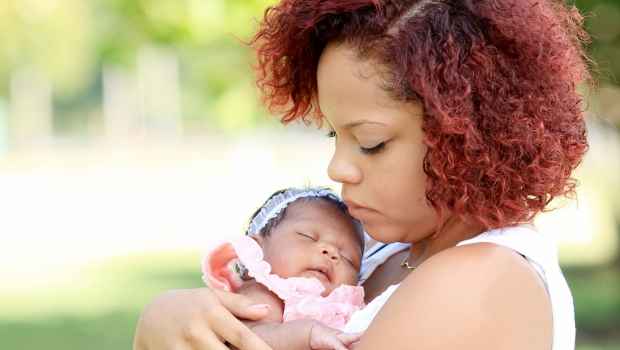

Maternal Mental Health Resources
Pregnancy and the postpartum period can bring joy as well as unexpected emotional and mental health challenges. Finding strategies that support well-being and connecting with caring guidance can help new and expectant parents navigate these changes with confidence.
Resources can offer support, reassurance, and practical tools to help parents understand their experiences, build coping skills, and strengthen connections with partners, families, and communities.
Support Organizations
These organizations offer resources and information on maternal mental health that you may find helpful.
Hand to Hold
Hand to Hold offers peer support, education, and resources for parents navigating pregnancy complications, NICU stays, and the postpartum period. Through mentoring programs and practical guidance, the organization supports emotional well-being and helps families feel less alone during highly stressful experiences.
Maternal Mental Health Alliance
MMHA is a charitable organization and network of over 130 member organizations, parents, and clinicians dedicated to ensuring all families impacted by perinatal mental health problems have access to high-quality, compassionate care and support.
Maternal Mental Health Leadership Alliance
MMHLA is a national, nonprofit organization dedicated to improving maternal mental health in the United States. They lead advocacy for better public policy, build cross-sector partnerships, and curate expert information and resources to advance awareness, support, and access to care for individuals affected by maternal mental health conditions.
National Perinatal Association
The National Perinatal Association works to improve perinatal care and outcomes for mothers, infants, and families. NPA provides education, advocacy, and resources that address maternal mental health as an essential component of comprehensive perinatal and family-centered care.
The Policy Center for Maternal Mental Health
This organization drives policy change to emphasize mental health within maternity care. They aim to ensure all pregnant and postpartum mothers have ready access to standardized, evidence-based perinatal mental health care from providers they respect and trust.
Postpartum Support International
Postpartum Support International focuses on depression and related mood disorders during pregnancy and the postpartum period. This organization offers helplines, peer support, provider referrals, and education for individuals, families, and clinicians.
Featured Resources
From toolkits to podcasts and more, here are a few of the great online resources available to learn more about maternal mental health.
National Maternal Mental Health Hotline – HRSA
Access free, confidential, 24/7 phone and text support for pregnant and postpartum people experiencing emotional distress or mental health challenges.
Hotline: 833.TLC.MAMA (833.852.6262)
Maternal Mental Health Resource Hub – Maternal Mental Health Leadership Alliance
Explore a centralized collection of maternal mental health resources, including condition overviews, policy and advocacy tools, and population-specific supports.
Maternal Mental Health Fact Sheets – Policy Center for Maternal Mental Health
Review concise, downloadable fact sheets outlining maternal mental health conditions, prevalence, disparities, and barriers to care.
Mental Health and Pregnancy Video – American College of Obstetricians and Gynecologists
Watch a clinician-led overview of mental health changes during pregnancy and postpartum, including signs of depression, anxiety, and related conditions.
Mom and Mind Podcast
Listen to conversations with clinicians, advocates, and parents focusing specifically on perinatal mood and anxiety disorders and recovery.
Suggested Reading
From evidence-based perspectives to lived-experience memoirs, this selection of books is a great starting point if you want to expand your understanding of maternal mental health.
The Pregnancy and Postpartum Mood Workbook: The Guide to Surviving Your Emotions When Having a Baby
by Bethany Warren, LCSW, PMH-C, and Beth Creager Berger, PhD
This hands-on workbook offers evidence-based exercises to help expectant and new parents navigate mood and anxiety challenges during pregnancy and postpartum. The authors provide practical strategies for recognizing symptoms, building coping skills, and creating daily routines that support mental and emotional well-being.
Down Came the Rain: My Journey Through Postpartum Depression
by Brooke Shields
In this candid memoir, actor Shields shares a personal account of postpartum depression and the journey to recovery. This book validates common struggles, reduces stigma, and inspires hope by showing the possibility of healing through support and treatment.
Birth of a New Brain: Healing From Postpartum Bipolar Disorder
by Dyane Harwood
Harwood shares her personal journey with postpartum bipolar disorder, exploring the highs and lows of this complex condition and the path to recovery. Combining candid storytelling with practical insight, the book offers validation, guidance, and hope for parents and families navigating mood disorders after childbirth.
Understanding Postpartum Psychosis: A Temporary Madness
by Teresa M. Twomey
Twomey provides an authoritative guide to the rare but serious condition of postpartum psychosis. The book explains symptoms, risk factors, and treatment approaches while offering practical guidance for families and caregivers to ensure safety and support recovery.
Baby Making for Everybody: Family Building and Fertility for LGBTQ+ and Solo Parents
by Marea Goodman, LM, CPM, and Ray Rachlin, LM, CPM
This inclusive guide supports queer and solo prospective parents through fertility, legal, and medical pathways while addressing the emotional challenges of family building. Blending professional expertise with personal narratives, the book offers strategies to manage stress, build resilience, and navigate early parenthood outside traditional pathways.
Good Eggs
by Phoebe Potts
Through candid storytelling, Potts explores infertility, pregnancy loss, and the emotional challenges of trying to conceive. This graphic memoir illuminates the complexity of reproductive grief and resilience while offering insight and validation to others facing similar experiences.
Bearing the Unbearable: Love, Loss, and the Heartbreaking Path of Grief
by Joanne Cacciatore, PhD
This compassionate guide to processing pregnancy and infant loss draws on research and clinical experience. Cacciatore offers practical strategies for self-care, emotional support, and honoring grief while navigating profound loss.
Beyond the Blues: Understanding and Treating Prenatal and Postpartum Depression
by Shoshana Bennett, PhD, PMH-C, and Pec Indman, EdD, MFT, PMH-C
Written by leading clinicians, the authors explain prenatal and postpartum depression and anxiety in accessible terms. This guide outline risk factors, symptoms, and treatment options while offering clear strategies to manage mood, access support, and navigate the perinatal period with confidence.
Dropping the Baby and Other Scary Thoughts: Breaking the Cycle of Unwanted Thoughts in Motherhood
by Karen Kleiman, MSW, Amy Wenzel, PhD, Hilary Waller, LPC, Abby Adler Mandel, PhD
This evidence-based guide helps parents understand and manage intrusive thoughts, postpartum OCD, and other anxiety-driven worries. The authors provide practical tools to interrupt unhelpful thinking patterns, normalize these experiences, and support a calmer, more confident approach to motherhood.
The Fourth Trimester: A Postpartum Guide to Healing Your Body, Balancing Your Emotions, and Restoring Your Vitality
by Kimberly Ann Johnson
Johnson offers a holistic approach to the postpartum period, highlighting strategies to restore physical health, regulate emotions, and manage stress. The book helps new parents navigate the significant changes and responsibilities that follow childbirth.



Note: This page is focused on the mental health impact of experiences before, during, and after pregnancy. We understand that pregnancies occur primarily, but not exclusively, in people who identify as women. This page does not exclude or invalidate the experiences of people who identify with other genders.
Watch Now and Learn!
Webinars & Courses on Maternal Mental Health
Jennifer L. Payne, MD, breaks down the distinctions between common baby blues and postpartum depression, offers tips around proper diagnosis and how to find the right support, and explores how new research could help identify women at risk of developing PPD. Watch here now or learn more about this training.
In Her Own Words
Sandy experienced postpartum depression after the birth of her first child. Read how she challenges stigma and embraces her mental health journey.