Sandy
Sandy
I never lost hope
Sandy’s postpartum depression came on immediately after the birth of her first child. She was “hyper-focused” on her son’s well-being and convinced that she couldn’t be a good mother.
Anxious, sad, and unable to sleep or make decisions, Sandy headed to the emergency room for help.
I was really concerned about my son’s health. I couldn’t relax, and I was sad, too. I was longing for life before the baby.
My therapist told me I was going to be a great mom, and I thought, ‘She doesn’t know what she was talking about.’ I truly believed they had made a mistake in letting me go home with the baby.
Sandy was surprised by how quickly her depression came on and by the intensity of her feelings. At the ER, they feared that she was going to do something drastic to herself or to her child, even though she had no plans or thoughts to do so.
It was a hard situation because I was trying to seek help, but the more I tried to reach out, the more heightened my anxiety became. The people I initially sought help from simply didn’t have a knowledge base about postpartum depression and how it often presents as extreme anxiety.
They seemed to think I had psychosis. When they began treating me as if I had psychosis, it was even more anxiety producing for me.
“From different kinds of outreach work I’ve done, I’ve seen some people who are so stuck they don’t think they can get better. I was lucky that I never lost hope.”
From the ER, Sandy was sent to a psychiatric hospital. There, her doctors concluded that she did not have symptoms of psychosis, and they sent her home.
When I got out of the psych hospital, I went to my general practitioner and asked for medication, and then I found a new therapist. It worked.
As quickly as I became unwell, I got back on my feet just as quickly, and I started feeling comfortable.
Sandy’s experience with the mental health system was at times frustrating and confusing, but she believed she could get better, and that belief pushed her forward.
It isn’t always easy. I had a really bad experience at the local ER. And I could have given up after that, but I didn’t. I kept working to find the appropriate path for my treatment needs.
Because these are disorders of the mind, I think we can forget that we are still capable of making decisions, weighing out options, and being an integral part of our recovery plan.
I think a lot of people with mental health conditions are afraid of treatment because they think it might not work out.
From different kinds of outreach work I’ve done, I’ve seen some people who are so stuck they don’t think they can get better. I was lucky that I never lost hope.
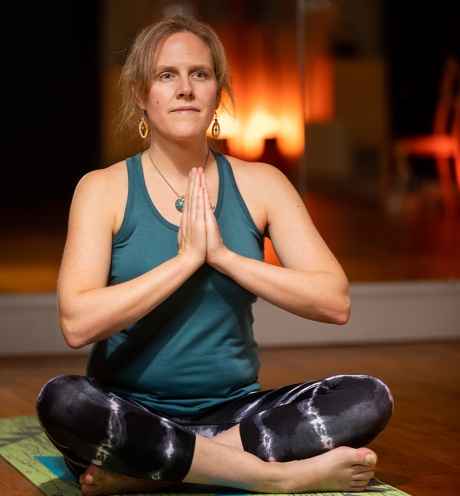
Now a mother of two, Sandy credits her treatment plan and the support of her family for keeping her on track. She works as a teacher, and she loves to read, walk, jog, and, of course, spend time with her kids. She also volunteers a lot of her time to work on maternal mental health advocacy and awareness.
I helped create the Postpartum Support International Vermont State Chapter. I have attended numerous conferences and trainings about maternal mental health, so I can be my own expert. I also wrote a memoir about my experiences.
For people who might be afraid to get help for a mental health disorder, Sandy cites her own experience and encourages people to find hope, no matter how difficult it might be.
Lucky for me, I’m well, and I’m open about my experiences. I’m a functioning adult and a mom who went through a really scary situation. I hope I can be a positive influence.