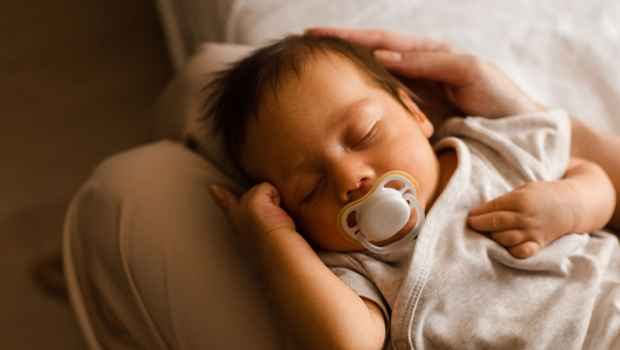
Beyond the Baby Blues: Addressing Postpartum Depression
Not every new parent feels joy—and that’s something we need to talk about
July 28, 2026
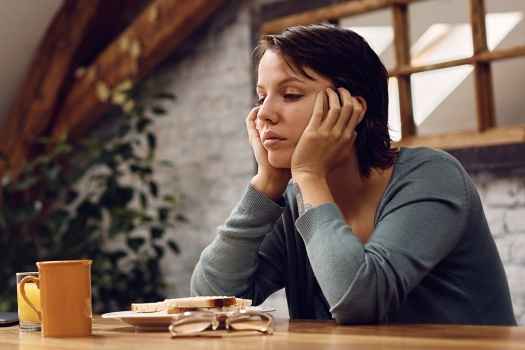
It’s early morning, and a new mom is rocking her baby, running on almost no sleep—wondering if this is what people meant by “the newborn stage,” and why she doesn’t feel the joy everyone promised.
Our society paints a picture that the arrival of a baby undoubtedly brings immense joy, wonder, and a deep sense of connection. But for some new mothers, the reality of motherhood is marked by overwhelming sadness, anxiety, and feelings of hopelessness.
This condition is known as postpartum depression (PPD), the most common mental health condition related to pregnancy. Although an estimated 1 in 7 women develop PPD after giving birth, the condition is often overlooked.
Understanding postpartum depression and its impact on mothers and their families is the first step toward healing and recovery. Whether you are personally experiencing PPD or are supporting someone through it, this guide aims to provide information that fosters understanding.
It’s crucial to recognize that postpartum depression is not a sign of weakness or failure. PPD is a medical condition influenced by a mix of biological, psychological, and environmental factors. Importantly, postpartum depression is treatable. With the right support and intervention, recovery is possible.
Keep Reading To Learn
- How to recognize postpartum depression (PPD)
- What causes PPD
- Where to find help and support
This article is focused on pregnancy, the biological differences between men and women, and the variances in mental health between genders. We understand that pregnancies occur primarily, but not exclusively, in people who identify as women. This article does not exclude or invalidate the experiences of people who identify with other genders.
The Perinatal Period: A Vulnerable Time
The term postpartum refers to the time (up to one year) after a woman gives birth. While the focus of this article is on postpartum depression, it is important to recognize that for some women (an estimated 1 in 10, according to the American College of Obstetricians and Gynecologists), depression begins during pregnancy. Perinatal depression is an umbrella term that refers to depression that occurs during pregnancy (the prenatal period) and following childbirth.
Pregnancy is a time of rapid brain growth and change for women. Because of this, it raises women’s risk of developing a mental health condition for the first time.
The hormonal and life adjustments that occur during pregnancy and after childbirth can trigger a range of mental health symptoms. Perinatal mood and anxiety disorders (PMADS) include depression, anxiety, obsessive compulsive disorder (OCD), and post-traumatic stress disorder (PTSD).
Of perinatal mood and anxiety disorders, postpartum depression is the most common. People who already experience mood and anxiety disorders are especially vulnerable to symptoms during, and in the first year following, pregnancy.
How Is Depression Different After Childbirth?
Depression is different during pregnancy and the months following childbirth. One reason is that different physical changes occur during pregnancy compared to the postpartum period. For example, while the hormonal shifts during pregnancy can lead to depression, it is after childbirth that women experience the most rapid and significant change in hormone levels.
Women’s situations are also different in the two phases. Pregnancy can bring its own feelings of stress, vulnerability, fatigue, and anxiety. In the postpartum phase, women have the responsibility of an infant who requires around-the-clock care. During this time, women may struggle with the demands of caregiving, as well as their identity as mothers. The change brought about by caring for an infant can trigger or compound depressive symptoms.
Depression experienced during pregnancy is one of the greatest risk factors for a woman developing postpartum depression.
A 2020 study found that women who experienced depression within eight weeks of giving birth were almost four times more likely to have serious depression than those whose depression appeared during pregnancy.
Another study from 2023 found that women who had previously received depression treatment in their lives were more likely to seek out depression treatment during pregnancy. Those who had never previously experienced depression were more likely to seek treatment postpartum.
Such studies suggest that looking at depression separately, as it occurs during pregnancy and after childbirth, can help us understand how depression is experienced in the different phases, how often depression may occur in either period, and which screenings and treatments are most effective.
A Deep Dive on Postpartum Depression
Jennifer L. Payne, MD, breaks down the distinctions between common baby blues and postpartum depression, offers tips around proper diagnosis and how to find the right support, and explores how new research could help identify women at risk of developing PPD.
Differentiating Between Baby Blues and Postpartum Depression
Postpartum depression goes beyond the emotional waves that are common in the first few days or weeks post-delivery. Many new mothers experience mood swings, irritability, and sadness in the days following childbirth. These emotional changes are commonly referred to as the “baby blues” and are considered a normal part of the postpartum period. In fact, up to 85% of people who give birth experience them.
The baby blues typically resolve within two weeks as the body adjusts to hormonal changes and the new responsibilities of motherhood. Postpartum depression is more intense and persistent, often lasting for months if left untreated.
Women with PPD often experience profound sadness, anxiety, and a lack of interest in their baby or everyday activities. These symptoms can make it difficult for them to function day-to-day and bond with their child.
Causes and Risk Factors of Postpartum Depression
The exact cause of postpartum depression is not fully understood. Hormonal, emotional, and environmental factors can all play a role in increasing the risk of developing PPD.
Women who have a history or a family history of depression, anxiety, or other mental health conditions are at a higher risk of PPD. However, other factors contribute to the likelihood of developing the condition.
The Role of Hormones
After childbirth, a woman’s hormone levels drop dramatically. The levels of estrogen and progesterone—two key hormones that regulate mood—plummet in the days following delivery. These changes can have a profound effect on mood, making some women more vulnerable to depression.
Women who experience mood symptoms from hormonal fluctuations in their monthly cycles are also more likely to experience depression after giving birth. In fact, according to a 2022 study that assessed risk factors for developing PPD, a history of premenstrual syndrome (PMS) or premenstrual dysphoric disorder (PDD) ranked the strongest risk factor, doubling a woman’s chance of developing PPD.
Physical Health Conditions
Health issues of both mother and infant increase the likelihood of a person developing PPD. If a mother experiences complications during pregnancy or childbirth, such as preeclampsia or gestational diabetes, she may be at greater risk of developing PPD. A common struggle for new mothers, lack of sleep, can worsen feelings of depression, making it even harder to care for a newborn and maintain emotional well-being.
The Impact of Trauma
Women who have experienced violence and other forms of trauma have a greater likelihood of developing postpartum depression. Those who have a traumatic birth may have feelings of shame, inadequacy as a mother, and a loss of control and sense of safety. A history of physical or sexual abuse places women at greater risk of PPD, since aspects of pregnancy, labor, and delivery, as well as feelings of vulnerability, can trigger memories of abuse. Women with a trauma history are more likely to have pre-existing mental health conditions, which increase the likelihood of developing PPD.
Stress and Social Factors
Life stressors, such as financial difficulties, relationship issues, or personal loss, can increase the likelihood of developing PPD. Mothers who feel isolated or lack strong emotional support from partners, family, or friends are at higher risk of developing depression.
Social factors, such as being a teen parent or living in poverty, increase risk, as well. Adolescent parents can experience stigma, as well as a lack of resources and support. Lower socioeconomic status creates a range of stressors that impact physical and mental health, including inadequate or no health care, as well as lack of nutrition and safe housing.
Oppression can make mothers more vulnerable to developing PPD due to the mental and physical distress caused by racism, classism, ableism, homophobia, and other forms of bigotry. For example, according to a 2024 study, lesbian and bisexual women were three times more likely than heterosexual women to report emotional distress during pregnancy.
Postpartum depression and anxiety are also more common among Black women, with some estimates showing rates more than double those of white women. The risk is even higher for Black women living in smaller cities or rural areas, where their rates of PPD can be 80% higher than those of white women. Additionally, Black women are three times more likely than white women to die from complications related to pregnancy.
The societal pressure to be a “perfect” mother can contribute to feelings of inadequacy and overwhelming stress. Expecting instant success in adjusting to parenthood can set mothers up for disappointment.
Everything You Need To Know About Depression
The condition’s dark feelings can be intense and overwhelming—whether it’s situational, seasonal, or persistent. With the right care, it can be managed and treated successfully.

Recognizing the Symptoms of Postpartum Depression
The symptoms of postpartum depression can be both emotional and physical, and they often interfere with a mother’s ability to care for herself and her baby. It’s important to note that not every woman with PPD will experience all the symptoms listed below, and the severity can vary from person to person.
It’s also worth noting that many of these symptoms—such as fatigue, sleep disruption, and appetite changes—can overlap with the normal physical and emotional demands of pregnancy or life with a newborn.
The difference often lies in the intensity, persistence, and impact of these symptoms on daily life and the ability to care for oneself or the baby.
Emotional Symptoms
- Persistent sadness or hopelessness: This is one of the hallmark signs of postpartum depression. Mothers may feel overwhelmingly sad or have a pervasive sense of hopelessness that lasts most of the day.
- Excessive worry or anxiety: Mothers may experience constant, irrational fears or worries. This can include worries about their baby’s health or their ability to care for the child.
- Loss of interest in activities: Many mothers with PPD lose interest in things they once enjoyed, such as eating, socializing with friends and family, or even spending time with their baby, despite initially looking forward to these moments.
- Feelings of guilt or worthlessness: Someone with PPD may feel like she’s not doing enough or that she’s failing as a mother. These feelings can be overwhelming and difficult to manage.
- Thoughts of self-harm or harming the baby: In extreme cases, some mothers may experience intrusive thoughts of self-harm or harming their baby. These thoughts should be taken very seriously, and help should be sought immediately. It’s important to note that these thoughts can also be present in postpartum psychosis (PPP), a rarer and more severe condition, which typically includes additional symptoms such as delusions and hallucinations. PPP is a psychiatric emergency, and urgent medical attention is essential.
Physical Symptoms
- Fatigue and lack of energy: Despite getting rest, mothers may still feel physically exhausted and drained. This can worsen as they struggle to care for their newborn.
- Sleep disturbances: Many women with PPD have trouble falling asleep or staying asleep, even when their baby is asleep. This lack of rest can exacerbate the symptoms of depression.
- Appetite changes: A mother may eat too much or too little, leading to weight gain or weight loss. These changes in appetite can affect both physical and emotional well-being.
- Physical aches and pains: Unexplained aches, such as headaches or stomach problems, can be physical manifestations of the emotional distress caused by PPD.
Behavioral Symptoms
- Difficulty bonding with the baby: Mothers may feel emotionally distant from their newborns and may struggle to connect with or care for them.
- Withdrawal from social interactions: Social isolation can occur, with mothers avoiding family, friends, and even their partners.
- Difficulty concentrating or making decisions: PPD can cause a feeling of mental fog, making it hard to focus on daily tasks, make decisions, or carry out basic routines.
Postpartum Rage and Depression: How Are They Connected?
Postpartum rage and postpartum depression are closely connected but not the same. Postpartum rage involves intense, uncontrollable anger.
It can occur alongside postpartum depression symptoms, such as sadness or guilt, but not always. PPD doesn’t always involve rage, and rage can occur without depression.
Unlike postpartum depression, which is recognized as a mood disorder, experts don’t typically classify rage in the same way, and it is not an official diagnosis in the Diagnostic and Statistical Manual of Mental Disorders (DSM).
A short temper, punching or throwing things, and increased screaming or swearing are common symptoms of postpartum rage. After experiencing intense, violent thoughts or impulses, a mother may feel overwhelmed by a rush of emotions such as guilt and shame.
Postpartum rage can result from hormonal changes, a history of depression or anxiety, poor sleep, and emotions related to caring for a baby. Physical changes, lifestyle shifts, and changes in relationships can also contribute.
Factors that can increase the risk of postpartum rage include a history of mental health challenges, lack of support, a difficult pregnancy or birth, or caring for a child with special needs. Other challenges, such as breastfeeding problems, lack of sleep, and life stresses—including losing a loved one, a job, divorce, or worsening health—can also contribute.
Postpartum rage can impact anyone who has recently given birth, typically within the first six weeks to a year. It may be more common in individuals with mental health conditions such as bipolar disorder or those also experiencing symptoms of postpartum depression.
Treatment for postpartum rage varies, so it’s important to consult a health care provider. Effective options often include support groups to validate feelings, therapy to learn coping skills, and medication to help manage emotions temporarily.
Lifestyle changes can also improve well-being. Eating healthy, exercising, meditating, and taking time for yourself can help reduce anger. As you feel better, you’ll be able to identify triggers for your rage, and noting them along the way can help.
In Her Own Words
Sandy, a participant in McLean’s Deconstructing Stigma campaign, shares her story of struggling with postpartum depression.
Who Experiences Postpartum Depression?
PPD can also occur in partners of people who have given birth, adoptive parents, and women who have experienced pregnancy loss. While the specific factors leading to PPD may be different in these groups, symptoms and treatment are similar.
Fathers and Non-Birthing Partners
Research shows that depression occurs in approximately 8 to 10% of fathers. PPD is most likely to develop in fathers three to six months after the birth of their child. It can also slowly develop over the course of the year. Fathers are more likely than mothers to experience symptoms of irritability, indecisiveness, and a limited range of emotions as part of PPD.
Risk factors include:
- A personal history of depression
- Maternal depression
- Poverty
- Relationship issues
- Unintended pregnancy
Research shows that men can experience hormonal changes during and following their partners’ pregnancies, including decreased testosterone and increased estrogen. These shifts, believed to strengthen the father-child bond, can trigger depression in some men.
Less research has been done on PPD in same gender partners or other partners whose identities fall outside the gender binary. Members of the LGBTQ+ community and their partners may be even more vulnerable to PPD due to stigma, homophobia, and lack of support. Additionally, non-birthing partners in this group can be isolated due to the societal emphasis placed on biological parent-child relationships.
Adoptive Parents
Postpartum depression in adoptive parents is underrecognized because PPD is associated with pregnancy’s hormonal shifts. Research on this topic is limited and inconsistent. However, an estimated 10 to 32% of adoptive parents experience PPD, also known as post-adoption depression (PAD).
While the biological effects of pregnancy and birth do not occur in adoptive parents, hormonal changes still play a role. Just as partners to those who have given birth can experience hormonal shifts related to new caregiving roles, so, too, can adoptive parents. Research on PAD shows, for example, that an increase in the stress hormone cortisol can contribute to adoptive parents’ depression.
Many of the same stressors experienced by birth parents contribute to depression in adoptive parents.
However, adoptive parents have unique risk factors:
- Stress and trauma related to the adoption process
- Stress and trauma linked to past fertility treatments
- High expectations as parents
- Coping with an adoptive child’s own traumatic background
- Society’s emphasis on biological parent-child relationships
Women Who Experience Pregnancy Loss
Women who experience pregnancy loss can develop postpartum depression. Distress from pregnancy loss, coupled with hormonal shifts that occur from having been pregnant, places women at risk for depression.
According to a study of 839 women who experienced miscarriage, 60% were at risk of developing depression. Pregnancy loss is a deeply personal experience. Women and their partners may choose not to share news of their loss with others. While such privacy is an understandable choice, it can lead to isolation and increase the risk of depression.
Risk factors for this group include:
- Isolation
- Lack of support
- Worry about ever becoming a parent
- Lack of formal mourning rituals
10 Ways To Support a Loved One With Postpartum Depression
Supporting someone with PPD requires empathy, patience, and practical assistance. Below are some effective ways you can help.
1. Listen Without Judgment
Sometimes, the best support is simply listening. Let your loved one express feelings openly, without minimizing or offering quick solutions. Validate their experience with phrases like, “I hear you” or “I can’t imagine how hard that must be.” This helps reduce feelings of isolation.
2. Encourage Professional Help
Gently suggest they speak to a health care provider about their feelings. Reassure them that seeking help is a sign of strength. Offer to assist in finding a therapist or psychiatrist, and let them know there are safe medication treatment options available while pregnant or breastfeeding, if applicable.
3. Offer Practical Help
Help with household chores, meal preparation, or looking after the baby to give the new mother time to rest and recover. Even offering to run errands can reduce stress and allow for a moment of self-care.
4. Understand the Importance of Sleep
Lack of sleep can worsen PPD. If possible, offer to handle nighttime or early morning baby care so the mother can get uninterrupted sleep.
5. Set Realistic Expectations
Encourage her to let go of the pressure to be perfect. Help her prioritize what’s most important and give herself permission to not do everything. Remind her that taking care of herself is just as important as taking care of the baby.
6. Create a Supportive Environment
Foster a space where your loved one feels safe and supported. Offer emotional validation by acknowledging that PPD is real and her feelings are valid. Reducing external stressors can also help her focus on recovery.
7. Check In Regularly
Reach out to check on how she’s doing. A simple message or call shows you care and helps fight feelings of isolation. Be sure to ask open-ended questions that give her space to share honestly.
8. Be Patient
Recovery from postpartum depression takes time. It’s not always a straight path. Be patient and supportive, avoiding the urge to offer quick fixes or dismiss a mother’s struggles. Consistent care and encouragement are vital.
9. Encourage Healthy Lifestyle Choices
Suggest gentle ways to improve well-being, such as light physical activity or healthy meals. Physical exercise and proper nutrition can aid recovery, and maintaining social connections, even minimally, helps combat isolation.
10. Reduce Stigma
Normalize conversations around postpartum depression. Remind your loved one that PPD is treatable and not a sign of weakness. The more open the conversation, the more likely she will seek and accept the help she needs.
Impact of Postpartum Depression on Families and Relationships
Postpartum depression can take a heavy toll on families and relationships. A mother struggling with PPD may withdraw from her partner, family, and friends, which can lead to strained relationships. Partners may feel helpless, frustrated, or even resentful, which can further complicate recovery.
The emotional toll of PPD can also affect a mother’s ability to bond with her newborn. When a mother feels disconnected from her baby, she may struggle with caregiving, making it harder to establish a healthy attachment. This can contribute to feelings of guilt and worthlessness, creating a cycle that is difficult to break.
Furthermore, PPD doesn’t just affect the mother—it can have a significant impact on the entire family dynamic. Children may sense their mother’s emotional distress, and family members may experience their own feelings of confusion and helplessness.
With proper treatment and support, many families can navigate these challenges and emerge stronger. Couples therapy, family counseling, and community resources can help rebuild relationships and provide strategies for managing the effects of postpartum depression on family dynamics.
Prevention and Early Intervention
Preventing postpartum depression involves a combination of education, early screening, and support. Health care providers should educate expectant mothers about the risks of PPD during prenatal visits, ensuring they are aware of the symptoms and available resources. Screening for mental health issues should also be part of routine care during and after pregnancy to identify at-risk mothers and offer early intervention.
Building a support system during pregnancy is equally important. Establishing connections with friends, family, and health care providers before childbirth can provide mothers with the network they need for emotional support when the baby arrives.
Early treatment options for PPD, including therapy and medication, can significantly reduce the severity of symptoms and improve the likelihood of a quicker recovery.
Crisis Resources
If you or a loved on need immediate assistance, the following are available to contact at any time:
- Call or text 988 to reach the National Suicide and Crisis Lifeline
- Text HOME to 741741 from anywhere in the U.S. for support from the Crisis Text Line
- Call 1.833.852.6262 (1.833.TLC.Mama) for the National Maternal Health Hotline
- Call 911
Treatment Options for Postpartum Depression
Postpartum depression is treatable, and therapy is one of the most effective care options.
Interpersonal Psychotherapy (IPT)
IPT is based on the idea that mental health struggles happen in a relational, social context. In IPT, a therapist helps a patient in one of four areas of social functioning: grief, role transition, interpersonal disputes, or interpersonal deficits. IPT is structured and brief, typically lasting 12 to 16 weeks. Given that women with postpartum depression frequently struggle in one or more of these areas, IPT is often a first-line treatment option.
Cognitive Behavior Therapy (CBT)
CBT focuses on a person’s cognitions—mental processes that take place in the brain, such as thinking, remembering, and learning. Therapists view these thought patterns as the key to understanding a person’s emotional and behavioral responses to situations. Cognitions are based on a person’s previous experiences and previously held beliefs. In CBT for postpartum depression, therapists focus on a person’s beliefs about motherhood and how her beliefs, mood, and behavior are intertwined.
Dialectical Behavior Therapy (DBT)
DBT is a form of cognitive behavior therapy that focuses on distress tolerance and emotion regulation. In DBT, people learn to manage emotions, communicate more effectively, accept difficult thoughts and feelings, and live more mindfully. In treating postpartum depression, DBT fosters positive parenting approaches and helps new mothers cope with intense emotions.
These therapies have all shown effectiveness in treating postpartum depression by addressing negative thought patterns, building and improving coping skills, and enhancing emotional and interpersonal functioning.
Medications, particularly antidepressants, may also be prescribed when therapy alone isn’t enough. Some medications are safe for breastfeeding mothers, but it’s essential to consult a health care provider to determine the best course of treatment.
Many women who experience PPD recover with the right support and care.
If you or someone you love is struggling with depression, help is just a phone call away.
Please call 800.333.0338 to talk about how McLean Hospital can support you on the path to recovery.
Strong Support Network
A critical part of recovery from postpartum depression is establishing a solid support system. Mothers who feel supported and connected to family, friends, and health care providers are more likely to recover. Support systems can offer both emotional and practical help, such as assistance with household chores, meal preparation, or childcare, allowing mothers to focus on self-care and recovery.
Support groups, whether in-person or online, provide an opportunity to connect with other mothers who understand the experience of postpartum depression. These groups offer a safe space to share feelings and advice, and can be a powerful tool in reducing feelings of isolation.
Public Awareness and Reducing Stigma
Public awareness plays a pivotal role in reducing the stigma associated with postpartum depression. By talking openly about mental health and normalizing the conversation around PPD, society can help women feel less isolated and more supported. It’s essential for health care providers, family members, and community leaders to share information about PPD and its treatability.
Reducing stigma is a gradual process that involves changing societal views and attitudes about mental health. The more openly we discuss postpartum depression and offer resources for support, the easier it will be for mothers to seek help without feeling ashamed.
There Is Hope for Recovery
If you or someone you know is experiencing postpartum depression, it’s important to remember that recovery is possible. PPD doesn’t define a mother, and with the right help, healing and joy are attainable.
Don’t hesitate to reach out to health care providers, support groups, or mental health professionals—help is available, and you don’t have to navigate this journey alone.
Contributors
Before You Go!