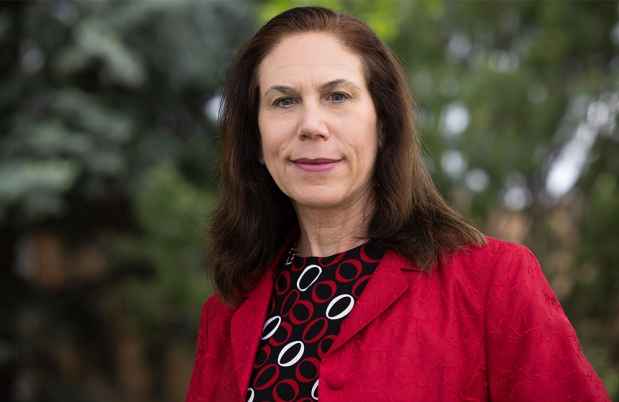
Lisa
Lisa
Recovery takes time, so be kind to yourself along the way
As a teenager in the 1970s, home was a scary place for Lisa. She was physically assaulted, belittled, and often threatened. A family member was living with untreated schizophrenia. Lisa developed depression, and by 19 years old, she was also living with anorexia and an anxiety disorder.
I was totally focused on counting calories and exercise. Nothing else mattered. It consumed me. I felt worthless, lost, and couldn’t feel my emotions.
Her eating disorder worsened, and Lisa experienced a cardiac arrest at age 21 caused by her severe weight loss.
I was out of control. I was no longer able to have coherent thoughts or a normal conversation.
Lisa entered an inpatient program for a year in 1979, but they were unfamiliar with anorexia. She was unable to find an effective way to manage her eating disorder, and her family remained concerned. Finally, a nurse pressed that she needed urgent help, and at age 23, she entered a residential treatment program in a different state.
That was the turning point for me. I am so grateful for that nurse. Treatment saved my life. I would not have survived much longer on my own.
Lisa credits cognitive behavioral therapy and talk therapy for helping her begin to regain self-worth and a sense of self. Her depression lifted.
I knew this was my only chance at recovery, so I worked really hard there. In such a supportive atmosphere, sharing with other patients helped me so much. We all had so much to offer each other.

Treatment helped, but it did not fix everything. It took Lisa a long time to feel like her opinions mattered. She presented well to others, but she struggled internally.
I hid my struggles from my friends who thought I had recovered. Maybe I was embarrassed.
I would hear people make fun of ‘mental hospitals.’ They wouldn’t make fun of a cancer center.
While still living with anorexia, Lisa continued to live a full life: She traveled a lot, volunteered as a way to give back, took art classes, and made time for fun. She also spent time working as a secretary.
For many years, the anorexia and other mental health issues she faced were a daily struggle. However, Lisa used the tools learned in treatment to manage the anorexia and focus on staying physically healthy. She also continued to engage in therapy.
For a while, I was concerned the anorexia would come back full force because it still had some control over me.
Anorexia takes up a lot of mental space and keeps you from being present. It can be exhausting at times. Yet, with the right tools, I discovered you can have a full life and find joy while healing.
Lisa is retired now, and she loves painting, walking, and spending time with her husband, daughter, and friends. Over the decades, her anorexia symptoms became milder, and after more than 40 years, Lisa finally feels present and free.
I feel fully recovered now, and it feels great! By sharing my story, I want to give hope to others who are struggling. I am proud to tell my story—it has helped me to open up much more about my mental health journey.
Reach out for the support you need. There are many people that want to help you. You are worth it.