Kyle
Kyle
Recovery looks different for everyone
Kyle describes his experience with mental health as an evolution.
Starting in 10th grade, he began experiencing chronic migraines that would last for hours or days. After five years, he went to a doctor who recommended he see a psychiatrist. Moments after walking into the psychiatrist’s office, Kyle was diagnosed with generalized anxiety disorder and obsessive compulsive disorder (OCD).
There was a very direct correlation between my anxiety and my migraines. As soon as I started treating the anxiety and OCD, I saw the migraines dissipate.
Once a daily occurrence, Kyle’s migraines were now monthly. He went from not understanding his headaches to being in control and in the driver’s seat.
That’s why I like talking about this, because I wish I could have gotten help five years earlier.
It’s been 10 years since Kyle began his therapy and anti-anxiety medications, but due to stigma, it wasn’t until several years after his diagnosis that he felt comfortable sharing his story.
“My hope is that by talking about mental health, other people will access help and resources and achieve recovery.”
In college, after wrapping up a therapy session, one of Kyle’s good friends asked him if he was crazy and if it was safe to be around him because he was in therapy. Kyle was shocked to hear this from his good friend, and it made him more hesitant to tell anyone. However, it also made him realize the importance of doing so.
It has been critical to my recovery. My hope is that by talking about mental health, other people will access help and resources and achieve recovery.
Then, while in graduate school, Kyle began experiencing signs of post-traumatic stress disorder (PTSD). Because he was already in therapy, Kyle was diagnosed with PTSD quickly and is getting the help he needs.
Kyle wrote his doctoral dissertation on stigma and the power of sharing your mental health story. In his study, the students who talked about their experiences with mental health challenges felt a sense of relief and were more likely to seek help and, in turn, had better college experiences.
Today, Kyle shares his story on social media to connect with other people and build a community. He is very close to his family and says they’ve always been supportive.
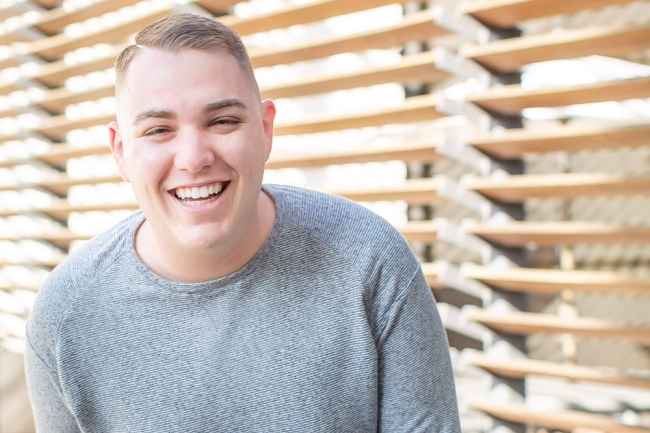
Kyle describes his treatment journey as having three legs: the first leg is therapy, the second leg is medication, and the third leg is self-care, which includes walking, meditation, community support, and being open and honest about his mental health journey.
I wouldn’t be where I am today without therapy, anti-anxiety medication, the community I’ve intentionally built, and sharing my story.
Now, Kyle is a career coach and an interview coach. He helps people construct their own stories. He is also a speaker coach, helping fellow leaders better tell their stories so they can create positive change.
In his free time, Kyle enjoys writing, specifically about mental health, and going on adventures with his partner.
Recovery looks different for everyone, but it is possible as long as you access the help that is available. And one way to start is by sharing your story—it doesn’t have to be one big public statement—it can be with a therapist, your doctor, or someone you trust.
Watch as Kyle shares his personal experiences of struggling with OCD and anxiety as a child.