Shelly
Shelly
I want to be seen as a human being, not a diagnosis
Shelly was not treated well by her community when she first experienced mental health issues at the age of 14.
It was a shock. I was the first one I knew of that this happened to, and people didn’t know what to do or how to talk to me. They couldn’t understand how I felt or whether they could help. I severed a lot of ties and lost a lot of friends I loved because of the situation.
With the mental health crises, hospitalizations, and multiple diagnoses that followed, Shelly got to know herself and the larger mental health environment. Now, she regularly receives treatment for social anxiety, borderline personality disorder (BPD), eating disorders, and depression, and uses rehabilitation services that support and assist her.
It’s hard, but today I know how to say what I need, what’s good for me and what’s not. Today, my friends and family know how to relate to all kinds of nuances in my behavior, in how I respond to my environment. And I have learned to recognize them as well.
Luckily, I have friends and family who didn’t give up on me and who always help me. They make me feel like I belong.
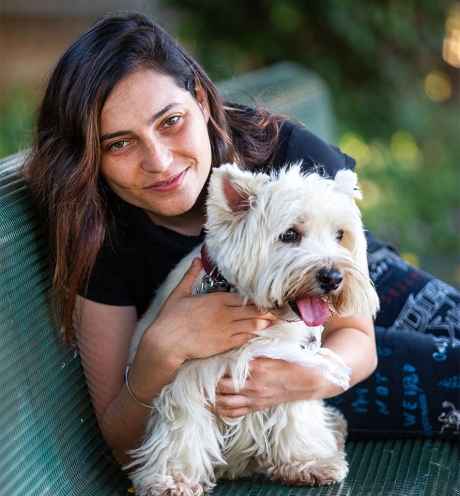
Shelly works as a secretary for a mental health rehabilitation organization and is studying to be a sound engineer. She also engages in a variety of activities that help her feel better.
Now is a new period in my life when I fight every day to keep what I have achieved. I work, study, and do everything I can. I listen a lot to music, travel, play basketball, read books, and play PlayStation.
Shelly calls on all people to see individuals living with mental health conditions as equals and to not be afraid to integrate them into life, society, and workplaces.
Truly look at us and you’ll see human beings, not just diseases or diagnoses.
Shelly wants to work to end prejudice against people with mental health conditions.
Behind the face of disability, handicaps, diagnoses, and diseases, there are people just like you.
Shelly’s story is also available in Hebrew