Understanding and Treating Borderline Personality Disorder
Borderline personality disorder (BPD) remains one of the most misunderstood and stigmatized mental health conditions. Misconceptions about emotional dysregulation, self-harm, relationships, treatment outcomes, and recovery often create fear, judgment, hopelessness, and barriers to meaningful care.
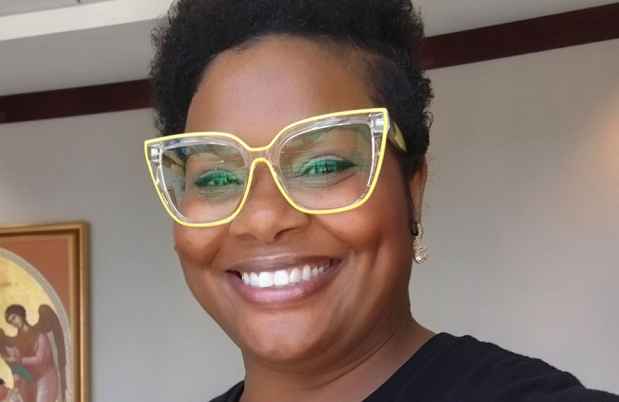
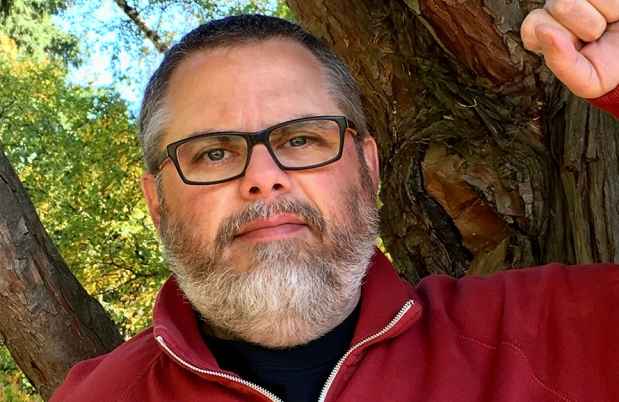
Karen Jacob, PhD, and Anna Precht, PsyD, explore BPD and self-harm through a compassionate, evidence-based lens—helping clinicians, caregivers, and support systems better understand the emotional realities beneath the diagnosis while strengthening confidence in treatment, validation, and recovery.
Why This Training Matters
For decades, BPD was frequently discussed through the language of crisis, difficulty, or hopelessness rather than understanding, treatment, and recovery.
Many clinicians received limited training, families struggled to find reliable information, and individuals living with BPD were often misunderstood in ways that deepened shame, stigma, and isolation.
Today, we know much more.
Research has transformed our understanding of BPD, and multiple evidence-based treatment approaches have demonstrated that recovery is not only possible but common when individuals receive appropriate care and support.
Yet these same misconceptions continue to create barriers for patients, families, and providers alike.
This training helps audiences better understand the emotional function behind behaviors while strengthening confidence in treatment, communication, validation, and long-term recovery. Participants will explore ways to move beyond fear and support more effective, hopeful, and person-centered care.
What You’ll Learn
- Common misconceptions surrounding BPD, self-harm, and emotional dysregulation—and why these myths can interfere with effective care
- How self-harm functions within BPD and how it differs from suicidal behavior or other clinical presentations
- Evidence-based treatment approaches including DBT, MBT, TFP, and good psychiatric management
- Practical considerations for treatment engagement, communication, family support, and clinical decision-making
- Why recovery is possible and how clinicians, caregivers, and support systems can help foster long-term improvement and emotional stability
Who This Training Is Designed For
This training is especially valuable for mental health professionals, therapists, counselors, social workers, trainees, and health care providers seeking greater confidence in understanding and treating BPD and self-harm.
The session is also highly valuable for family members and caregivers who want clearer understanding of emotional dysregulation, treatment approaches, communication strategies, and recovery-oriented support.
About the Experts


Two Ways To Join Us! Sign Up Now
Note: Continuing medical education credits are not available for this training
Event Details
- Date: September 4, 2026
- Time: 12pm ET
- Length: 90 minutes
- Presenters: Karen Jacob, PhD & Anna Precht, PsyD
- Format: Virtual Training
- Cost: Free
BPD and self-harm are often surrounded by misunderstanding, stigma, and outdated assumptions. Join us for this evidence-based and compassionate training to deepen your understanding of diagnosis, treatment, recovery, and the meaningful difference validation and effective care can make.
Learning Objectives
By the end of this training, participants should be able to:
- Identify common misconceptions surrounding BPD and self-harm
- Distinguish between self-harm behaviors associated with BPD and other clinical presentations
- Describe evidence-based treatment approaches commonly used to treat BPD
- Explain practical considerations when supporting individuals and families affected by BPD
- Apply validation-informed and stigma-reducing approaches when discussing BPD and treatment
Who Should Attend
This training may be especially valuable for:
- Mental Health Professionals (psychologists, psychiatrists, counselors, therapists, social workers, nurses)
- Health Care Professionals
- Graduate Students & Trainees
- Community Mental Health Leaders
- Family Members & Caregivers
- Individuals Living With BPD
- Crisis Intervention Professionals
- Behavioral Health Program Leaders
Wait! There’s More!
Explore 100+ expert-led sessions on key mental health topics. Designed for professionals and community members alike, the library offers accessible, high-quality education in a flexible format.
Have a question about our upcoming event?