Noal
Noal
Finding a stigma-free setting made a world of difference
Noal has felt stigma around mental health and the pressure to fit in since childhood. Growing up in the Mormon church, there was an expectation to be the “perfect Mormon boy” with no room for deviation.
Noal was young when he realized he was gay, and he quickly learned how to mask who he was and hide his struggles. When Noal first sought help, he was diagnosed with depression and anxiety. At the time, there was little to no therapeutic support available, only medication.
There was never a sense that I could choose the life I wanted to live.
Years passed as Noal continued to struggle quietly and alone. In 2016, he encountered a person who had abused him in the past, triggering years of suppressed emotions and leading him to seek psychiatric care.
He was diagnosed with post-traumatic stress disorder (PTSD), major depressive disorder, severe anxiety, and bipolar disorder; the latter was eventually corrected to borderline personality disorder (BPD). While receiving these diagnoses later in life gave him a sense of relief, it was also incredibly challenging emotionally.
Receiving those diagnoses threw my world upside down, but receiving the correct diagnosis gives you the opportunity to learn how to maneuver throughout the world without letting your self-worth decline.
After being diagnosed with BPD, Noal began to face a completely new stigma, one associated with the BPD diagnosis and label. His primary care provider that he had been seeing for years learned that he was formally diagnosed with BPD and decided to discontinue care.
She looked at me and said, ‘Borderline?’ … Three months later she said she’s not comfortable treating me anymore due to that diagnosis.
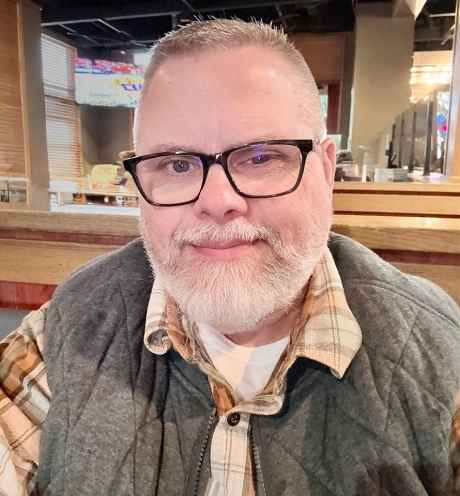
In the years that followed, Noal tried many therapy modalities in several mental health facilities. For Noal, ketamine therapy was his first success in relieving his symptoms; his depression lessened and he experienced clearness of thought for the first time since his diagnosis.
He credits dialectical behavior therapy (DBT) with changing his life. Not only was the therapy structure successful, but the way it was delivered made all the difference. Kind, highly skilled instructors taught him how to reframe his thoughts and bring true comfort.
Finding a stigma-free setting made a world of difference.
Outside of treatment, Noal began to navigate the world with a new outlook. He was determined to create the life he deserved and bring awareness to others struggling.
Noal made several attempts to start an organization focused on driving awareness for borderline personality disorder, with each try met with negativity. Peers and professionals alike were confused as to why he wanted to associate his name with BPD.
There are currently limited resources for BPD, with even some psychiatric professionals not formally recognizing the diagnosis. Noal has continued to build a life focused on raising awareness and helping others.
We are going to be rejected by everyone who is afraid to listen and learn, but we can’t reject ourselves.
Learning about his borderline personality disorder did not limit Noal. Instead, it gave him the language to explain what he had been feeling for decades. Through DBT and supportive spaces, he has come to understand his emotions are a strength and not something to fight. More importantly, though, Noal discovered he is not alone.
Especially to people living with BPD, community means everything.
To anyone feeling discouraged by a diagnosis, Noal offers a different perspective. His story is a reminder that a diagnosis can bring clarity, hope, and even community instead of limitation.
No matter what rejection is faced in life, it is critical to never turn that rejection inward.