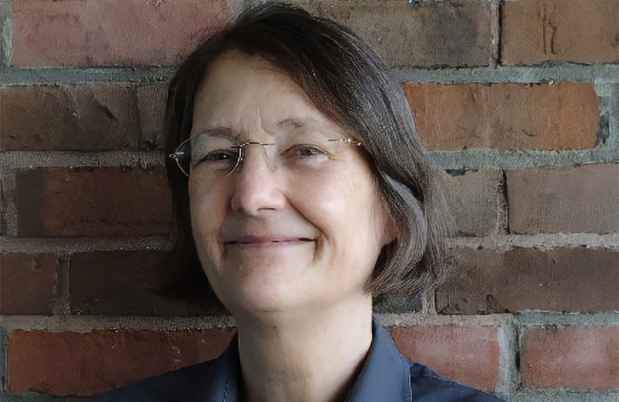
Yvonne
Yvonne
You have to do a lot of work, but healing is possible
I was convinced that if I were skinny, I would be perfect. I was paranoid about gaining weight.
I remember being at a party one time, and all of a sudden, I started to have an anxiety attack because I had eaten too much. My mom suggested that I make myself throw up so that I would feel better. From that moment on, I completely derailed.
Though now Yvonne is an inspiring activist, author, and mental health professional for the Hispanic mental health community, she has overcome a lifelong struggle with bulimia nervosa, anxiety, depression, and alcohol use disorder.
Her mental health struggles emerged from deeply rooted cultural norms that perpetuated stigma, guilt, and shame around getting help.
My self-worth was directly connected to making my parents proud through my achievements. I felt a lot of pressure to live up to their expectations. To them, I was like a golden ticket out of low-class living.
“The therapist didn’t understand my culture, so I didn’t open up to her. What if there had been someone to speak with who knew my culture?”
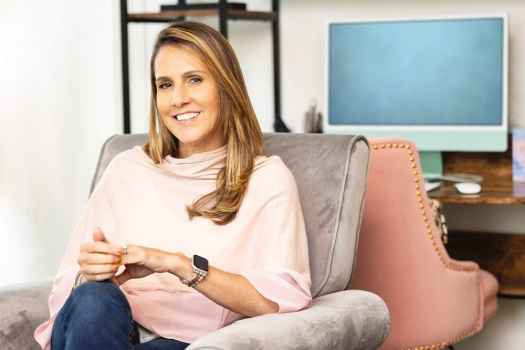
Yvonne is the daughter of a Mexican mom and Cuban dad—both who immigrated to the United States with the dream of providing their family with an abundance of opportunities and resources.
Her family’s sacrifice, however, fostered enormous pressure and expectations. Yvonne grew up being a perfectionist and overachiever—as a daughter, student, and pianist.
Being able to provide for and feed their family was a source of pride for my parents. I was overweight as a child and teen. My parents told me to lose weight but also encouraged me to eat.
I always had disordered eating, but my issues with food developed into bulimia in high school. I got a lot of attention and popularity when I started to lose weight, which sent an awful message.
She endured a vicious cycle of using disordered eating, excessive exercising, and drinking to cope with her underlying depression and anxiety.
In addition to her eating disorder, Yvonne’s anxiety began to manifest into an obsession with following a strict daily routine to ensure she maintained control over every aspect of her life.
I didn’t connect my eating disorder with mental health until I needed to get a tooth pulled as a consequence of my bulimia. This was my wake-up call. I started to eat right and stopped drinking.
I realized in my 30s that I had replaced my bulimia with other excessive coping mechanisms. I got obsessed with overthinking about routines.
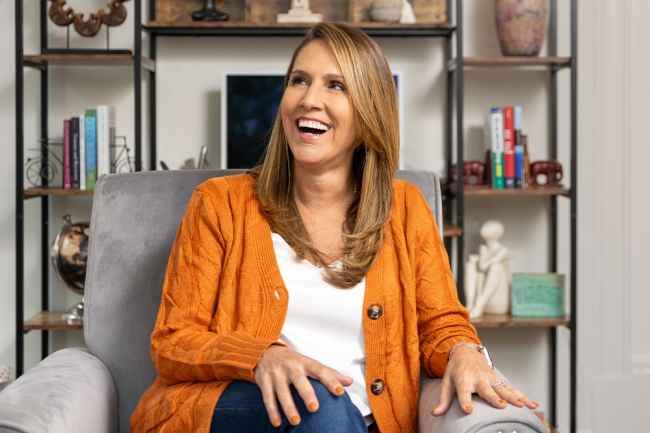
Yvonne faced an isolating and stigmatizing journey to recovery due to the stigma she faced within the Hispanic community. As a faith-based person, she recalls praying to God for strength.
In my culture, you can’t look outside the family for help. You don’t talk to other people about your problems.
Mental health is not a thing. I was told that I was lazy and unmotivated.
Although Yvonne eventually entered therapy thanks to the encouragement of a friend, the cultural barriers she faced continued.
The therapist didn’t understand my culture, so I didn’t open up to her. What if there had been someone to speak with who knew my culture?
Experiencing this barrier, Yvonne realizes the importance of accessible and culturally sensitive mental health care—inspiring her to become a mental health professional and directly provide treatment services for the Hispanic community.
Now, as a mental health clinician and social worker, Yvonne dedicates herself to reducing the stigma around mental health and eating disorders within communities of color. In her memoir, Yvonne details her story to help others with similar backgrounds.
Yvonne wants others to know that although she had to go through a lot of this journey on her own, relying on her faith, she doesn’t want others to have to do the same.
I wouldn’t wish that on anyone. You have to do a lot of work, but healing is possible.