Yoel
Yoel
We want our voices to be heard
Yoel is a criminology and sociology student at an Israeli university and the father of an adorable 9-year-old son. What many people do not know is that he has been struggling with bipolar disorder for over six years.
Yoel’s condition manifested as five manic episodes with different intensities. The first episode occurred when he was a synagogue gabbai (caretaker), a very visible figure, in his settlement. People in the community were aware that something was happening, but were unsure what it was. When he began to experience his depressive episodes, Yoel disappeared from social life.
During his depressive state, Yoel spent months at home. He prayed that he could disappear from the world. He felt a desire to die in order to stop the pain.
He was eventually hospitalized. As time went on, he learned ways to deal with his manic and depressive episodes.
Yoel’s ability to cope with his condition and overcome his depression made him want to share his knowledge and experience with others who live with depression. He understands the intense pain and trauma mental health disorders can cause.
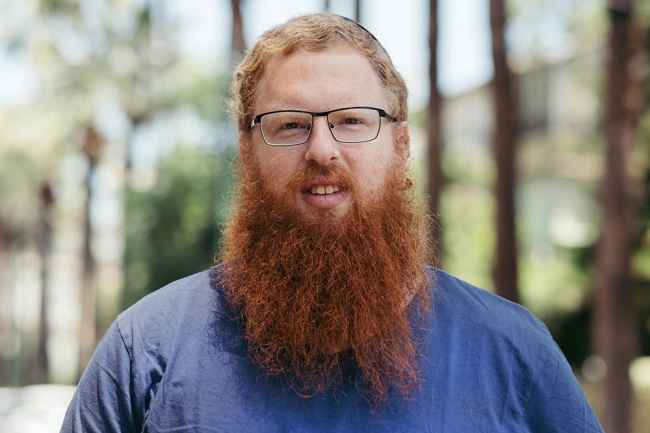
Today, Yoel is a social activist working to normalize conversations about mental wellness. He works to reduce the stigma of mental health conditions through open communication on the subject.
The stigma is in our day-to-day lives. I choose to stand up to confront that stigma and say to those who aren’t living with mental health conditions, ‘Let’s talk. Even if you define a phenomenon as abnormal because it’s hard to understand, no problem, let’s talk. We’re here and we’re not going anywhere. We have something to tell you and we’re not as scary as you think.’
He runs a Facebook group, with the understanding that the public’s exposure to stories and information on the subject can cause long-term change. Exposure reduces fear.
Let’s normalize the practice of engaging with the so-called ‘abnormal.’ There are people who want their voices heard and need their presence in the world to be legitimized.
In addition, Yoel lectures and runs a group that encourages dialogue between people with and without mental health conditions. The group holds meetings as a means of reducing stigma, with the aim that the conversation is a “normal” thing and a person who is experiencing mental health challenges doesn’t have to invest a lot of energy trying to hide or cover up what they are going through.
There is human pain that can be significantly reduced if society learns how to accept complex human phenomena. And that is done by conversation, by talking, by gathering, and by seeing those of us with mental health conditions as a legitimate part of society.
Yoel’s story is also available in Hebrew