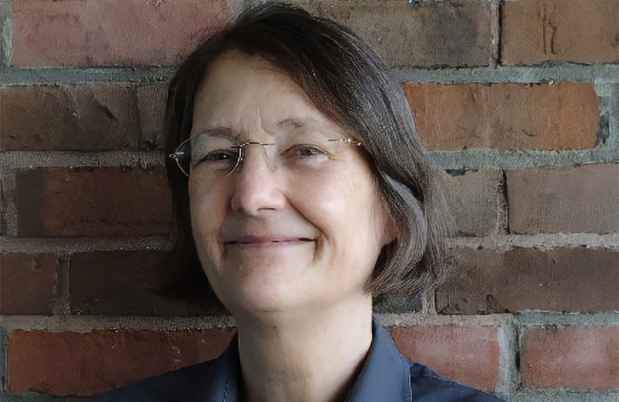
Tian
Tian
People should be seen as people and not as a set of symptoms
Tian has been diagnosed with major depressive disorder, generalized anxiety disorder, an eating disorder, and obsessive compulsive disorder. She does not, however, want to be defined by her diagnoses.
She strongly believes that “people should be seen as people and not as a set of symptoms.”
When I was in the hospital, someone would check in with me every day and ask me how I was feeling, ask about my urges—and that became the routine.
I began to feel like the only parts of me that mattered were the ones that I didn’t want—the parts that were depressed and anxious.
This became distressing because part of me knew that I was, and am, so much more than a diagnosis and symptoms.
Based on this experience, Tian has become a proponent of person-first language. She has decided to replace phrases like “anxious person” with person-first phrases like “person with anxiety.”
My narrative didn’t really change, but the simple change in wording made me feel more confident in myself and more compassionate.
It allowed me to feel like I could be more than depressed and anxious, and it created space for all the other messy emotions I was experiencing.
Tian’s experience in the mental health system has also inspired her to make another change—to embrace the concept of community.
“They say never judge a book by its cover, but we judge people by looks pretty quickly in this world, and I think that’s what stigma is—it’s a judgment.”
Although she says that inpatient treatment was critical for her, it didn’t address “what was actually missing in my world—community.”
By taking part in outpatient treatment, Tian says that she can “continue living a life that I’m proud of, one where I can apply the skills I learned while I was an inpatient and experience the messiness and beauty that this world has to offer.”
I strongly believe in community, and even though treatment is what got me out of the hospital and back into the ‘real’ world, my community is what allows me to stay, experience, and grow in it.
Tian is applying these real-world experiences and drawing on her community support to move forward with her life.
She is a social worker and a full-time student, and she wants people who need help to get the help they need—without fear or judgment.
They say never judge a book by its cover, but we judge people by looks pretty quickly in this world, and I think that’s what stigma is—it’s a judgment.