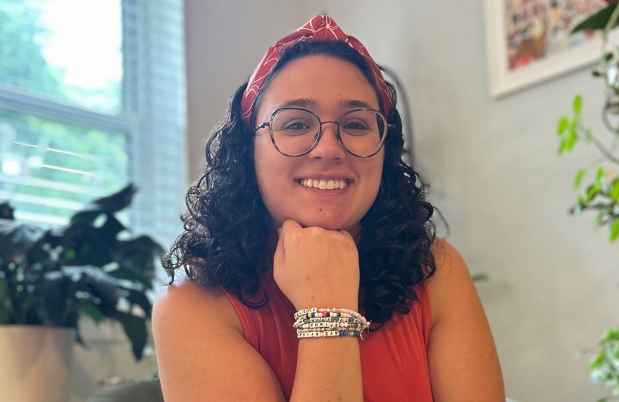
Shlomit-Coana
Shlomit-Coana
I owe my disorder a lot, it shaped who I am
Since she was very young, Shlomit-Coana has been living with obsessive compulsive disorder (OCD). For her, it manifests in the areas of cleanliness, pesky thoughts, and “magical” thinking. She often encounters a lot of stigma and misconceptions about the disorder.
People believe that if a person is obsessed with cleanliness, or with order and organization, they must be struggling with OCD. But this is far from the truth. There are so many derivatives of OCD: behaviors involving religion, relationships, and even sexuality.
It is not easy, but living with OCD has taught Shlomit-Coana many things.
I owe my disorder a lot, it shaped who I am. It made me a strong human being and taught me how to deal with things. The lack of knowledge about OCD causes some people to live for years with a condition they don’t know they have, and to experience guilt and suffering without addressing the problem.
For over a decade, Shlomit-Coana has volunteered as the organizer for two online mental support forums for those with OCD and depression. She is on the path to a bachelor’s degree in law, and will soon begin the accreditation process to become a neurolinguistic programming (NLP) therapist.
“I’ve come to realize that I can only be myself. If someone doesn’t like me as I am, then that is just their problem. OCD is not something to be ashamed of.”
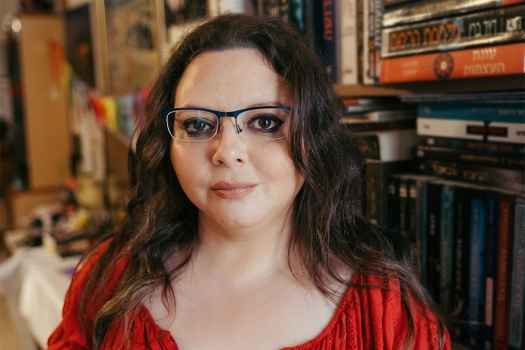
She is also working on a lecture to raise awareness and dispel the stigma surrounding OCD, as well as an informational project for use in schools and workplaces.
If I hadn’t had teachers and employers who supported me, I would not have been able to learn or succeed in the workplace.
I can only imagine what a student who is dealing with OCD is going through—struggling with a mental health condition while also struggling with a system that often categorizes them as lazy or a misfit, and may not give them the support they deserve.
My goal is to raise awareness among educators and the system, to give such students or employees the rights and support they deserve.
In her day to day life, Shlomit-Coana works to lower stigma and raise awareness surrounding mental health.
I made a purchase in a clothing store and the seller swung the bag near the garbage can. I politely asked the clerk to replace the bag, explaining that because the original had touched the trash and I have OCD, it would be difficult for me to walk with this bag.
Interactions like this often lead to a conversation and people want to know what OCD is. In the end it is always revealed that nearly everyone has a cousin, brother, or friend who probably struggles with it as well.
Shlomit-Coana has learned to accept herself for who she is and to know that she is a good, special, and successful person.
I’ve come to realize that I can only be myself. If someone doesn’t like me as I am, then that is just their problem. OCD is not something to be ashamed of.
Just as individuals who have diabetes or hypertension are conscientious, take care of themselves, and are not ashamed, a person with OCD should be able to feel the same way.
Shlomit-Coana’s story is also available in Hebrew