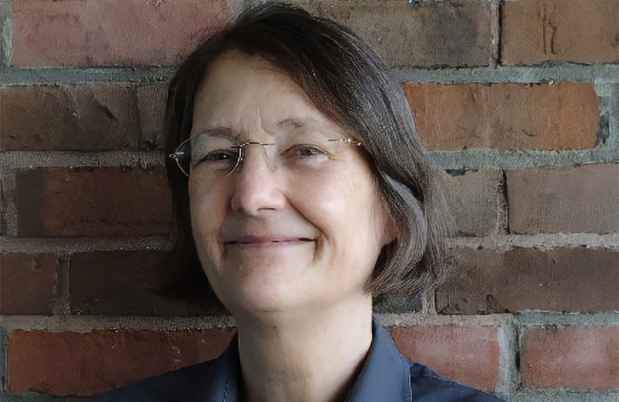
Shellye
Shellye
I know what it’s like to need help and be terrified to ask
Shellye hopes her passion for music evolves into a career. She sees herself on the business side of the industry, possibly as a tour manager, as she’s not a performer herself. In fact, as a child, Shellye had trouble even talking.
I started seeing a therapist when I was 4 or 5 because I had selective mutism—I would only talk to people I knew. And when I grew out of that, I still didn’t speak much out of fear of saying the wrong thing and being judged.
Shellye hit puberty earlier than the other girls, which gave the bullies in 6th grade another reason to taunt her. Test anxiety turned into full-blown panic attacks. Shellye’s family interpreted the displays as her way of seeking attention. Their reaction, in turn, left Shellye feeling like a bad person.
She developed an eating disorder and struggled with self-harm. By the time Shellye attended her first year of college in Boston, the depression had intensified. Feeling like no one understood her, Shellye wanted out. Her suicidal thoughts persisted until she knew she needed help.
I was afraid to tell my parents because I didn’t want them to be mad at me. So I texted them what was going on. They were upset but supportive. My mom drove to the school to get me and took me to McLean Hospital.
“It’s scary to admit you need help. But tell someone. Even if you do it via text or email. There’s no reason to go through this alone.”
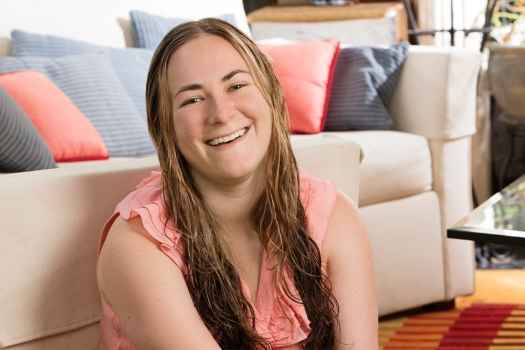
After a few months of residential treatment, Shellye’s mom rented an apartment nearby so she could continue with outpatient programs. Shellye credits dialectical behavior therapy (DBT) with helping her tremendously. It gave her the tools to disrupt her suicidal thoughts and help her find a more positive path.
When my emotions are high, I learned to ice dive—take a bucket of cold water and dunk my head in it. Or it could just be a cold shower, or a walk outside. Whatever cools you down so you can think through what action you should take.
Shellye refuses to be defined by her disorder. She transferred to a New York college, to be closer to family, including her twin sister. She still attends regular therapy sessions—in fact, her parents call into a family meeting every Monday. Shellye wants anyone who is struggling to know it’s okay to speak up.
It’s scary to admit you need help. But tell someone. Even if you do it via text or email. There’s no reason to go through this alone.