Ori
Ori
The fear of stigma sticks with you
Ori grew up in a warm and supportive home, and he received a good education, despite the school system’s difficulty in recognizing and meeting his mental health needs.
The system did not know how to define or understand what I needed, what to do with me. Luckily, my mother was a teacher, and she spent years helping and pushing me to succeed in school. She pushed even a little too much but thanks to her, I now have a profession.
Ori’s mental health issues began when he was still a teenager. His mother recognized that he did not fit well into society, which would make it difficult for him to maintain a long-term job.
I am sociable, I know how to interact, but I had outbursts that would make it difficult for me to maintain connections.
Because of his outbursts, in addition to coping with depression, anxiety, and post-traumatic stress disorder (PTSD), Ori also had to deal with loneliness. With his mother’s persistent support, Ori graduated, served in the army, and independently studied to become a computer and networking technician.
“The fear of stigma sticks with you and sometimes prevents you from helping yourself and getting the right treatment.”
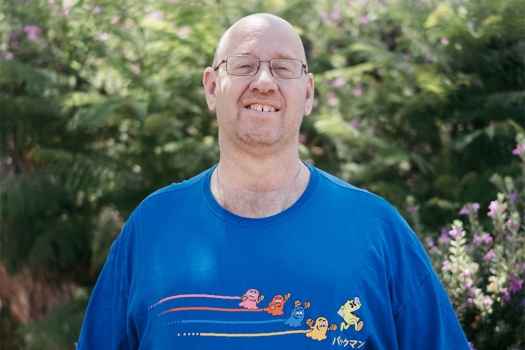
According to Ori, coping with mental health challenges is not easy, but when stigma is added to it, it becomes much more difficult.
The fear of stigma sticks with you and sometimes prevents you from helping yourself and getting the right treatment.
I was hospitalized once and should have been hospitalized at least three or four times. But the self-stigma of being hospitalized was so great that I didn’t go. And today I can say it was a mistake and things might have been resolved and worked out a little differently if I had gone to the hospital when I needed to.
Ori is very clear that he isn’t giving up on himself and does not make assumptions about himself. He learns from the difficulties he experiences and devotes his energy to social involvement.
I always try to contribute to society. Some say I like to live through people by helping them.
In addition to volunteering, Ori supports those with mental health challenges through social networks, offering them the knowledge and experience he has acquired so that they can get the support they need. Ori also gives lectures through the organization Amitim.
In lectures, I like to show that people like me, people with mental health conditions, are not bad or to be feared.
Ori’s story is also available in Hebrew