Effectively Treating OCD in Kids and Teens
Available with English captions and subtitles in Spanish.
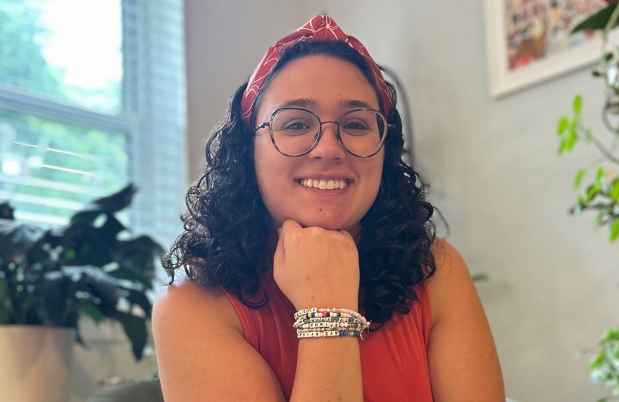
Dr. Lisa Coyne explores proven approaches that help children and teens overcome OCD. Through real-world examples and clear instruction, she shows how ERP and ACT can reduce anxiety, restore confidence, and strengthen family collaboration.
Why This Training Matters
OCD in youth doesn’t have to mean years of distress or confusion. With structured, compassionate care, children and families can experience meaningful progress.
This session provides the tools, language, and perspective to make that possible—showing how clinicians, educators, and caregivers can work together toward recovery.
What You’ll Learn
- Recognize the signs and patterns of OCD in youth
- Use ERP and ACT techniques to help kids face fears safely
- Involve families and educators in reinforcing therapeutic gains
- Maintain progress through resilience-building strategies
Who Should Watch
- Mental health professionals (psychologists, psychiatrists, social workers, nurses, counselors, and therapists)
- Pediatricians and primary-care providers
- K-12 and university educators and school staff
- Public health professionals
- Parents and caregivers
- Community and faith leaders
- Executives, managers, and HR professionals
Event Details
- Date Recorded: August 8, 2025
- Length: 45 minutes
- Presenter: Lisa W. Coyne, PhD
Watch this free, on-demand training and learn how evidence-based care helps kids and families overcome OCD and reclaim their daily lives.
Topics Covered During This Session
- Can you walk us through the basics of what OCD is and is not?
- How does treatment differ for kids and teens vs. adults?
- How might parents identify signs of OCD in their kids or teens?
- What are some compulsive behaviors in a child that parents or teachers should watch for?
- What are the first steps for a parent who might be concerned that their child is exhibiting some of these forms of OCD?
- Can you help us understand the science behind OCD treatment?
- Why can reassuring a child to calm their worries be counterproductive?
- What other treatments are used for kids besides ERP?
- What should we know about medications for kids and teens with OCD?
- What levels of care or treatment settings are available for OCD?
- What are the benefits and challenges of working with children vs. adults?
- How involved are parents in the treatment process?
- How can OCD affect family dynamics—particularly in siblings?
- How can parents work with teachers and the school system to help address a child’s OCD?
- How can adults work together to support and carry out a child’s recovery plan?
- Where can general clinicians get more training on treating OCD?
- How can clinicians and parents separate symptoms when dealing with co-occurring challenges?
- How should care be coordinated for a child with both ADHD and OCD who sees separate specialists?
- Why is it so important to tackle OCD as soon as it’s recognized rather than waiting?
The information discussed is intended to be educational and should not be used as a substitute for guidance provided by your health care provider. Please consult with your treatment team before making any changes to your care plan.
Resources
You may also find this information useful:
- International OCD Foundation
- DIAMOND and DIAMOND-KID – Interviews, articles, training course, and rater certification
- Yale-Brown Obsessive-Compulsive Scale (Y-BOCS)
- Behavioral Therapy Training Institute
- Helping Kids and Teens With OCD: What Every Adult Should Know
- Contamination OCD: More Than a Fear of Germs
- Video: Anxiety in the Classroom – Educators and Health Care Professionals Must Work Together
- Exposure and Response Prevention: Facing Fears, Finding Freedom
- Child and Teen Anxiety: An Introduction
About Dr. Coyne
Lisa W. Coyne, PhD, is a senior clinical consultant at McLean Hospital and an assistant professor of psychology in the Department of Psychiatry, part-time, at Harvard Medical School. She is a licensed clinical psychologist, an internationally recognized acceptance and commitment therapy (ACT) trainer, and the author of numerous books for parents, children, and teens.