Curiosity as a Clinical Skill: Understanding Identity, Culture, and Lived Experience
Every person enters a therapeutic relationship with a unique combination of identities, experiences, values, beliefs, and cultural influences. Yet clinicians are often asked to navigate these complexities while balancing professional expertise, self-awareness, and the fear of making assumptions or saying the wrong thing.
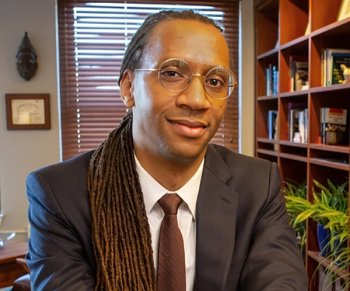
Cecil R. Webster Jr., MD, explores how curiosity can become one of the most valuable clinical skills—helping professionals better understand identity, culture, lived experience, and the many factors that shape how people experience mental health, seek support, and engage in care.
Why This Training Matters
Mental health professionals are increasingly called upon to provide care across diverse cultural, racial, ethnic, religious, gender, socioeconomic, and lived-experience backgrounds. While many clinicians want to provide responsive and inclusive care, they may feel uncertain about how to navigate conversations about identity, difference, privilege, discrimination, or cultural experience.
Too often, cultural competency is framed as something clinicians either have or do not have. In reality, meaningful therapeutic relationships are built through curiosity—approaching individuals with openness, humility, and a willingness to learn. This creates space for deeper understanding, stronger trust, and more meaningful therapeutic engagement.
This training explores how identity, culture, intersectionality, and lived experience influence mental health while helping participants strengthen the skills needed to ask better questions, challenge assumptions, and better understand the people they serve.
What You’ll Learn
- How identity, culture, and lived experience influence mental health, help-seeking, and treatment engagement
- Why curiosity and cultural humility are essential components of effective clinical care
- How assumptions, biases, and blind spots can affect therapeutic relationships
- Practical strategies for discussing identity, culture, and difference with greater confidence and openness
- Ways clinicians can create more inclusive, responsive, and trusting therapeutic environments
Who This Training Is Designed For
This training is especially valuable for mental health professionals, therapists, counselors, social workers, psychologists, trainees, and helping professionals seeking to strengthen culturally responsive and person-centered care.
The session helps participants develop practical skills for engaging with identity, culture, and lived experience while exploring how curiosity, humility, and self-reflection can strengthen clinical relationships and improve outcomes.
While grounded in professional practice, the discussion remains accessible, reflective, and highly applicable across diverse care settings.
About the Expert
Dr. Webster is a board-certified psychiatrist in Boston, providing psychotherapy and medication management to adults, adolescents, and children. He is a physician educator at Harvard Medical School and McLean Hospital.
Dr. Webster’s expertise includes helping individuals define their identity in the context of family and ethnicity, gender, sexuality, culture, and immigration.
Two Ways To Join Us! Sign Up Now
Note: Continuing medical education credits are not available for this training
Event Details
- Date: November 12, 2026
- Time: 12pm ET
- Length: 60 minutes
- Presenters: Cecil R. Webster Jr., MD
- Format: Virtual Training
- Cost: Free
Building stronger therapeutic relationships starts with curiosity. Join us for this training to learn practical strategies for engaging with identity, culture, and lived experience in ways that foster trust and more responsive mental health care.
Learning Objectives
By the end of this training, participants should be able to:
- Describe how identity, culture, and lived experience influence mental health and treatment experiences
- Explain the role curiosity and cultural humility play in therapeutic relationships
- Identify ways assumptions and biases can affect clinical interactions
- Apply strategies for engaging in meaningful conversations about identity and culture
- Utilize reflective practices that support more inclusive and responsive care
Who Should Attend
This training may be especially valuable for:
- Mental Health Professionals (Psychologists, Psychiatrists, Counselors, Therapists, Social Workers, Nurses)
- Health Care Professionals
- Community & Public Health Leaders
- Education & School Professionals
- Faith & Community Leaders
- Graduate Students & Trainees
- Human Services Professionals
- Workplace & Organizational Leaders
Wait! There’s More!
Explore 100+ expert-led sessions on key mental health topics. Designed for professionals and community members alike, the library offers accessible, high-quality education in a flexible format.
Have a question about our upcoming event?