Wariimi
Wariimi
I turned my pain into purpose
In June 2015, during her sister’s wedding, Wariimi began experiencing symptoms of acute anxiety. After receiving support from family members, she shrugged off what she assumed to be just a bad hangover. A week later, however, her symptoms returned while she was at work. Her heart was racing, and she became dizzy before collapsing.
Wariimi was rushed to the emergency room, where her symptoms worsened. She couldn’t walk and was experiencing intense heart palpitations and migraines. Wariimi was admitted to the hospital for two weeks while doctors worked to identify a physical cause, but following a battery of tests, no physical cause for her condition could be identified.
A month later, due to persistent migraines, she visited a neurologist who diagnosed her with severe depression and an anxiety disorder. She was then referred to a psychiatrist, who confirmed the diagnoses.
I was confused about how a mental health diagnosis could cause my body to shut down in such a way.
Wariimi was prescribed medication and didn’t hesitate to take the dosage. She was eager to return to her normal life.
Initially, she thought the medication would help her feel better within a few days. However, she soon learned that it could take weeks for her symptoms to improve. In addition to medication, she began attending daily therapy and was advised to be admitted to a psychiatric care unit.
During this treatment period, she began to understand that her struggles had been building over time. It became clear that she had been struggling with anxiety, suicidal ideation, and low self-esteem for years.
Initially, Wariimi struggled with the diagnosis. At times, she would stop taking her medication. Eventually, she realized this was counterproductive.
“It was making things worse. So, I decided to work on acceptance. I decided to fight positively to get my life back.”
While working hard to understand and better support her mind and body, Wariimi faced judgment from people around her.
At the office, her colleagues discovered she had been hospitalized, and rumors spread that she was struggling with drug addiction. Some friends accused her of “just seeking attention” or “not trying hard enough,” while others suggested she “just needed to pray harder.”
She felt deeply misunderstood and invalidated by those who didn’t grasp the realities of anxiety and depression. Although Wariimi fought hard to return to work, her health no longer allowed her to perform at her previous level, leading her to part ways with her employer.
I want people to know that having a mental health disorder is not their fault. It has nothing to do with their strength or resilience—it is a health condition like any other.
Sometimes it can feel like a lonely journey, even when you’re surrounded by people, but it’s important to speak up and ask for help.
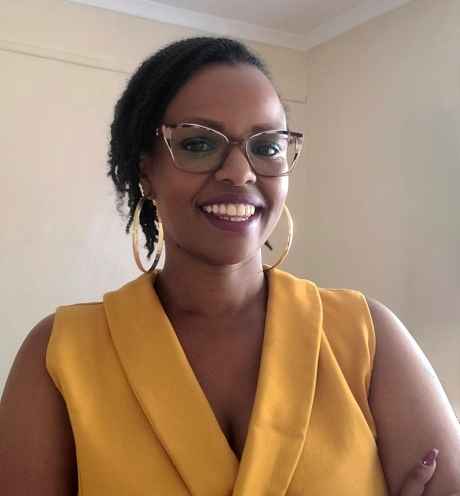
Wariimi has always identified as a spiritual person. While still battling severe anxiety and suicidal thoughts, she leaned on her spirituality.
It was through this connection that she was inspired to create her own organization that raises awareness about the importance of mental health care, encourages those struggling to seek appropriate treatment, and confronts stigma.
I turned my pain into purpose.
It is hard. It is extremely difficult, but it is possible to be happy even in the midst of this pain.