Ron
Ron
We need to keep an eye on each other
It’s OK to feel the way you feel. It’s important talk about it. It does not help to hide it.
Having worked at the Maine State Prison since he was 19, Ron has seen a lot of things—a lot of negative, disturbing, and traumatic things. But it wasn’t until last year that he hit a breaking point.
I grew up in prison for the most part, so I’ve seen a lot of stuff.
About five years ago, I witnessed a brutal murder. I found a guy stabbed and beaten in his cell, and I watched him die.
This, more or less, was the start of my problems.
With the murder and everything else that I dealt with in this place, I could not come in to work. I would call out for entire weeks.
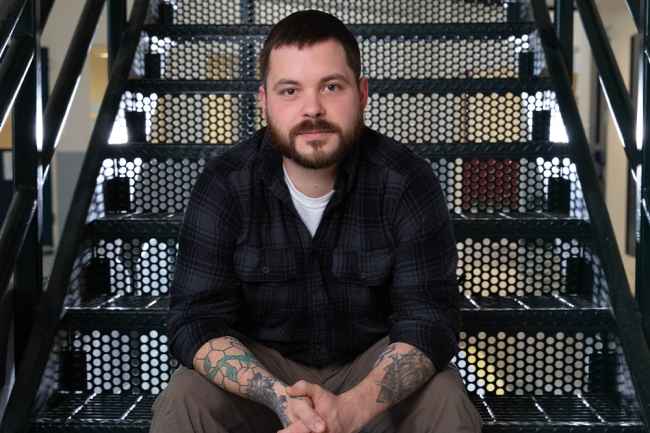
Ron said the idea of going in to his job at the prison would get him “worked up.”
I’d start crying at bedtime, I’d start crying before I went to work. I’d explode at home and start yelling.
I was in a hard spot emotionally, and I just couldn’t come in to work.
In time, Ron reached out for help. He confided in the people he worked most closely with, and he met with the warden. This led to him getting time off from work.
It also led to meetings with counselors where he learned he was dealing with depression and post-traumatic stress disorder (PTSD).
After some time off, Ron returned to the prison, taking on a less stressful role.
He’s grateful for the support he received from his family, friends, and co-workers.
Now, he’s calling on people who may be facing depression and PTSD to reach out for help—and he wants people who work in high-stress jobs like corrections to pay attention to their co-workers and look for signs of trouble.
Mental health among correction staff is a huge deal, so we need to keep an eye on each other.
You’re dealing with something negative every day, so we need to pay attention and help out.