Richard
Richard
You are worthy of being here
Richard started writing music when he was 17, after being assigned to journal about his days in high school. He enjoyed it so much that he started to write poetry, songs, and raps.
It was very cathartic. Outside of those outlets, I felt like I wasn’t given permission to be vulnerable like that.
After Richard dropped his first extended play (EP) in 2015, he started to receive negative comments from someone who believed he was trying to portray a lifestyle that he didn’t actually live.
A couple of people took notice of the comments and started cyberbullying me. They were telling me to just give up. I started to internalize a lot of these things. Music was my identity, and the comments felt personal.
Richard began to self-harm soon after this. His internal monologue of “I’m not good enough; I should just give up on my dreams” was prevalent in his mind. The only thing that felt like it quieted that voice was self-harming.
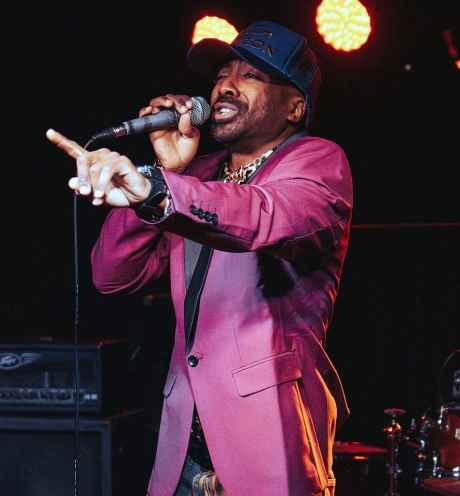
Richard began having suicidal thoughts, and his mental health worsened with the onset of the COVID-19 pandemic.
I was really closed off. I pushed family away because I didn’t want people to think I was weak due to societal expectations around being a man. So a lot of people didn’t know that I was dealing with self-harm and suicidal ideation.
Richard reached a point where he almost attempted to end his life. Thankfully, his sister was there to stop him and help him. Facing death made him realize that he was falling short of his potential and both letting himself down and letting down those who rely on his music.
My sister urged me to consider therapy and work with someone on my mental health. I was resistant; I didn’t want to seem weak or sensitive. The mental health world also scared me.
And, I didn’t want to put my music on the shelf and not accomplish my goals just because I couldn’t deal with the rejection and negative comments that still felt fresh in my head.
Despite his initial hesitation, Richard dove deep into therapy. He started working with a life coach to help him grow and become a more empathetic and resilient individual.
It became clear that, even with therapy, I needed to actively engage in my own healing. I also invested in self-care books, positive posters, and positive attire to help me navigate through the darkness and get through the ins and outs of each day.
“I didn’t want to feel like I was being judged due to my mental and physical scars. But being surrounded by people who remind me of my self-worth helps me remember that I deserve to be here, and that I can overcome adversities.”
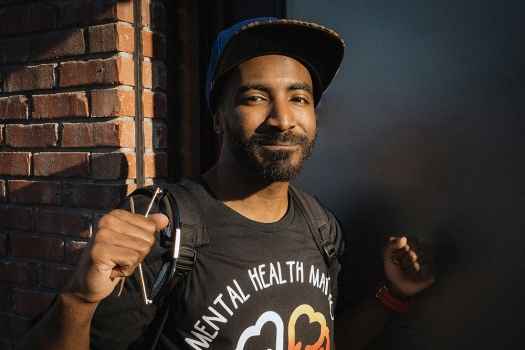
Richard also relied heavily on those around him for support. He learned that the darkness he was feeling was not something he could shoulder all on his own.
During the pandemic, when I was feeling suicidal, my friends showed up to hold space and support me, and I was deeply grateful for their presence. Their support demonstrated how much they cared.
Don’t be afraid to seek out community. I was afraid to do so—especially from my family—because I didn’t want to feel like I was being judged due to my mental and physical scars. But being surrounded by people who remind me of my self-worth helps me remember that I deserve to be here, and that I can overcome adversities.
My community helped me navigate those dark moments and stay committed to the inner work required.