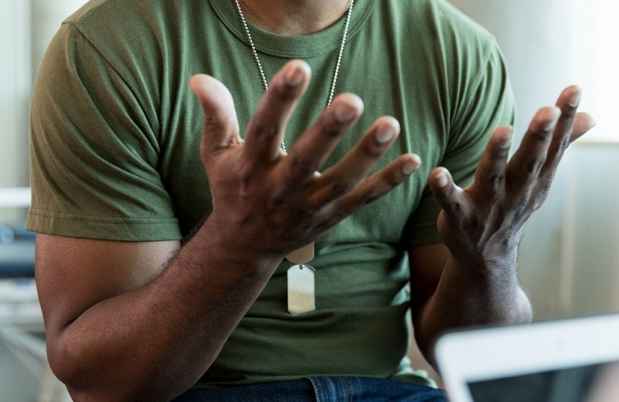
Ray
Ray
I advocate for men to speak up about their emotions
Ray first noticed symptoms of complex PTSD, major depression, and anxiety six months after his first wife died following a battle with cancer.
I started having nightmares about my brother’s suicide years before. I was withdrawing from people and friends, really isolating myself. I became hyper-vigilant and overwhelmed in crowds. When I had my first panic attack, I did not know what was going on.
Ray has walked through many traumatic events in his life. He recalls moving around frequently to escape feelings of grief and fear. After meeting his first wife, they moved to Alaska, where Ray worked as a chef. Suddenly, he became his wife’s primary caregiver as she battled cancer for six years. To cope with the stress of her illness, Ray’s drinking increased dramatically.
The night she died, under the influence of alcohol, Ray attempted suicide.
The next morning, I woke up to a knock on the door and felt immensely grateful that it did not work.
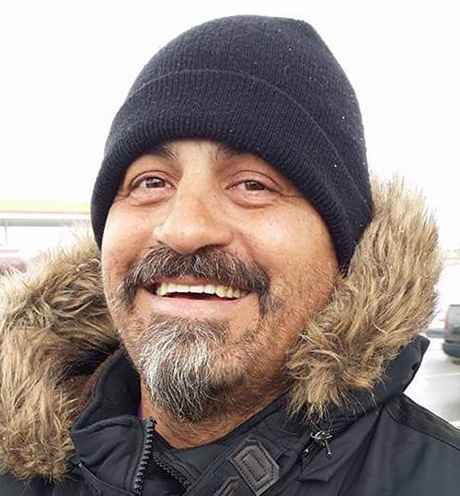
Ray moved to Colorado and struggled with symptoms of PTSD for years without understanding what was happening. He didn’t realize anything was wrong until things became so overwhelming that he couldn’t help but notice. Everyday things began to trigger a pattern of intense memories and emotions.
I froze and when I came to, I didn’t know where I was, and my heart was racing. It had never felt like this before.
He wants people to know that PTSD doesn’t just affect members of the military, but also non-military people like himself.
His current wife helped him acknowledge what was going on and what was happening in his interactions with those around him. She encouraged him to go to therapy. He decided to become sober and to make changes in his life.
It is possible to come back from a suicide attempt. I hope others will see this and see that it is possible.
Today, Ray knows that mental health treatment requires continued self-care.
I had been in a good space, but it’s easy to go backward a little bit. Grief and trauma can sneak back up on you. I’ve had to step up because I want to keep moving forward. I still go to therapy to manage my PTSD and depression and learn new grounding techniques.
Since first getting treatment, Ray has pursued mental health advocacy. He has appeared on television, radio, and podcasts aiming to fight the stigma, specifically around men struggling in silence.
I advocate for men to speak up about their emotions and ask for help. Male suicide is a big issue we are facing and only gets worse when we don’t speak about it. Getting involved with combatting stigma has given me a new purpose and motivation. When I got help and a diagnosis, everything started to make sense. I understood what was happening to me.