Pata
Pata
I know the power of stigma
Treatment for her mental health condition is a life journey for Pata. It’s a journey that includes not only therapy and medication but also cycling, art, self-care, writing, spiritual practice, activism, and service to her community.
Traditional Western treatments have helped me, but I think of my treatment more broadly than only psychotherapy and medications.
She has faced clinical depression since childhood and has sought help—in various forms—for most of her life. Her mother had bipolar disorder, and there is a history of major depression on her father’s side of the family.
In her senior year of high school, Pata attempted to take her own life. She has been diagnosed with chronic major depression and complex post-traumatic stress disorder (CPTSD).
A combination of “traditional” treatments with activities that are healing and meaningful to her have worked well for Pata, but a critical component to her recovery has been finding the right therapist.
When I went into the office of my current therapist, I was armed with a list of interview questions. I was determined to find a good match. After all, finding a therapist is finding a healing relationship.
He passed the interview, and I started working with him. He is the most consistent presence in my life and has been through dangerous times with me.
He has saved my life by holding hope for me when I had none.
This relationship helped her find her own voice and helped her to develop agency to make change, not only in her own life but in the lives of others.
“[My therapist] is the most consistent presence in my life and has been through dangerous times with me. He has saved my life by holding hope for me when I had none.”
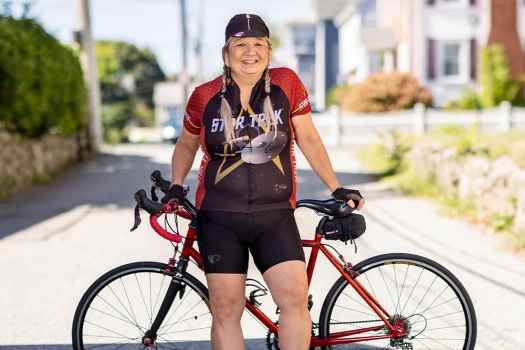
Also for Pata, the daughter of a white mother and a Japanese American father, her therapist’s sensitivity to ethnic and cultural issues has been critically important.
My therapist is the only therapist I’ve worked with who has had the cultural humility to ask me how my racial and ethnic background as a mixed heritage Japanese American woman affected my mental health—the only one.
Having a therapist who is consistent, supportive, and compassionate has been critical for my healing journey.
Building on her lived experience, Pata works in social justice and suicide prevention. She also serves with local organizations to expand understanding of mental health and fight stigma, particularly in Asian American communities.
She is also the director of NAAPIEN (National Asian American Pacific Islander Empowerment Network), a project of the National Asian American Pacific Islander Mental Health Association. NAAPIEN brings together AANHPI individuals who have lived experience with mental health challenges to elevate their voices and fight stigma.
I am a mental health activist in the Asian American community and know firsthand the power of stigma. I also know that stories allow people to understand difficult issues in a personal and powerful way.
Since I have shared my story publicly, I have been committed to breaking the silence about mental health stigma.