Omri
Omri
Forgiveness restored my belief in my humanity
Omri was very young when he served two-and-a-half years in the Israeli military during the first Intifada, stationed in the Gaza Strip. The exposure to many difficult events, which accumulated into a great variety of challenging experiences, still affects him to this day.
Every good and bad thing that happened in the Gaza Strip when I was there has passed through me. And between you and me, nothing good happened there. Whenever there were very serious and significant events, those were the moments when I had to go out into the field.
After his discharge from the military, Omri became unable to think about the near or distant future, and he experienced a loss of trust in humanity. He also developed aggressive tendencies when he was on reserve duty that began to trickle into everyday life.
After experiencing these difficulties, Omri was diagnosed with post-traumatic stress disorder (PTSD).
When I was doing my reserve duty, every time I wore a uniform, the whole essence of who I am was erased and a new, short-tempered and aggressive essence came forward. The smell of the uniform would cause me to physically seize up. It’s like I was wearing a different skin.
“Acknowledging that I was imperfect, that I might be hurtful and wrong, and that I have the option to heal myself and the people around me with forgiveness restored my belief in my humanity.”
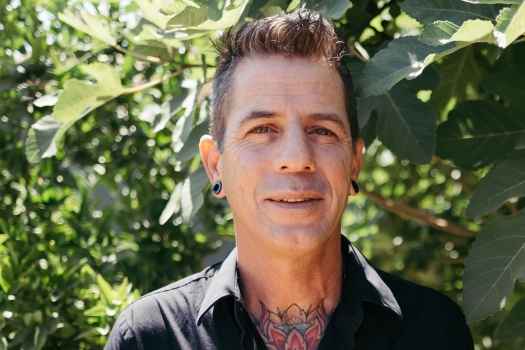
Years later, Omri met the woman who would later become his wife. Because he couldn’t envision their future, she was the one who took initiative in their relationship.
Omri devoted himself to his home and family, but did not take care of himself, which over time created gaps between him and his wife. Eventually they divorced and he experienced the onset of bipolar disorder.
The divorce was a complete upheaval. At the same time, the field I was working in became irrelevant overnight. Basically, all the ground beneath my legs was crumbling. No job and no home.
A year and a half after the divorce, I had an extreme manic episode without realizing what I was experiencing. It manifested itself in impatience, anger, passion, and a sense of breaking apart. I describe mania as something that leaves charred fields behind.
Omri underwent a long hospitalization for his mental health challenges and then began working in the field of mental health. He realized that contributing to society based on his experience of personal struggle was his destiny.
Acknowledging that I was imperfect, that I might be hurtful and wrong, and that I have the option to heal myself and the people around me with forgiveness restored my belief in my humanity.
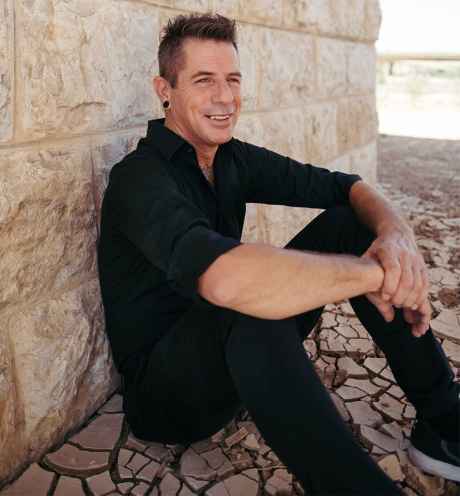
Omri established a rehabilitation project and then began working as a rehabilitation business consultant.
For the past nine years, I have helped people with mental health disorders. I am currently an expert fellow in the project, managing the ‘Making Souls – Wisdom of the Path,’ community.
I’m also a member of the board of directors of Souls and the board of directors of Leshma, an organization that specializes in community integration of people with mental health conditions and strengthening mental health services.
Omri, now a full-time single father, is also the founder of a mental health counseling organization. He talks about his experiences that made him what he calls “an expert in asking for forgiveness from people” and especially himself.
Omri’s story is also available in Hebrew