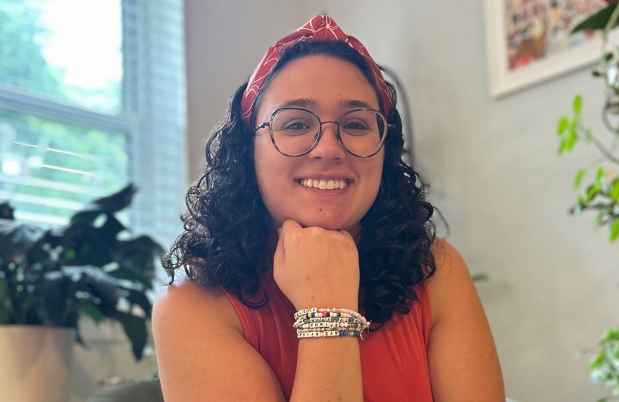
Nathaniel
Nathaniel
If you face your fears, you can overcome anything
It started the summer before eighth grade. Nathaniel, like many kids, ventured out for a few weeks of summer camp. What started out as a few drops of hand sanitizer quickly spiraled out of control.
I would spend up to six hours a day washing my hands and would take two-and-a-half-hour showers … sometimes longer.
As he grew, so did the types of rituals he practiced. In his later teens, he would constantly check to make sure he switched the stove off, terrified he would burn down the house. If he drove over a pothole, his mind pictured he had hit a person so he would turn the car around, again and again and again, just to make sure he hadn’t hurt anyone.
I became overwhelmed by irrational fears of getting others pregnant with a mere touch, afraid I would be responsible for ruining their lives and potentially sending them to hell.
Even though I knew the fears didn’t make sense, that didn’t make them feel any less real.
Over those adolescent years, Nathaniel worked with six or seven therapists to control his obsessive compulsive disorder (OCD), experiencing limited relief until he found a therapist he connected with. This one was a true partner and working together, they created a plan.

Utilizing exposure and response prevention (ERP), Nathaniel learned to face his fears head on. He touched “contaminated” items. If the car hit a bump, he stopped himself from looking in the rearview mirror.
Instead of washing my hands for four hours, I would set a timer and step down one minute at a time. I got to the point where I learned I could set these goals on my own.
More recently, Nathaniel has completed his PhD in clinical psychology, focusing on the treatment of adults with severe OCD and is now the program director at McLean Hospital’s OCD Institute.
One of his areas of study is the understanding of the impact of motivation on OCD treatment. He says some with OCD may become afraid that overcoming the disorder means losing or letting go of an important part of their identity, such as being a good/caring person. Nathaniel believes clinicians can help patients realize other ways they can demonstrate these traits without the presence of their OCD.
Many with OCD have inherent strengths, such as amazing creativity or attention to detail. The disease may distort these strengths, latching onto that characteristic in a maladaptive way.
Treatment is about teaching patients to harness these characteristics and use them in flexible and adaptive ways.
“I wanted to prove that having mental health challenges does not limit what you can achieve, no matter what anyone says.”
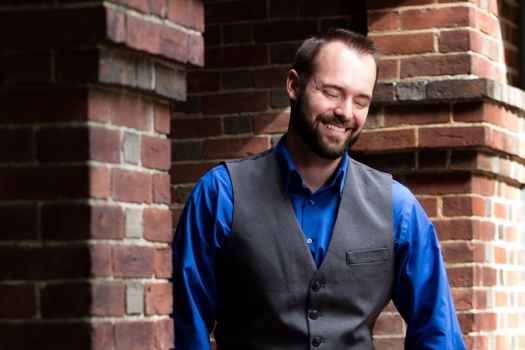
Nathaniel has been able to maintain his recovery. There are days when he doesn’t think about his condition. He integrates the ERP principles he learned into his daily life to keep his OCD at bay, even when he becomes stressed. He is also working to decrease stigma about mental health within the mental health field itself.
Nathaniel notes he hid his diagnosis during much of his training (initially disclosing only to selected advisers/mentors), as he was told it could limit his opportunities. He wants to make the field a safer place for clinicians and researchers struggling with disorders to step forward and ask for mentorship.
Nathaniel co-founded a special interest group for mental health professionals/trainees with OCD and related disorders and runs a local support group in Boston.
I wanted to prove that having mental health challenges does not limit what you can achieve, no matter what anyone says.
If you’re willing to put in the work, you can make anything happen, even if others think your condition is too severe for you to succeed.