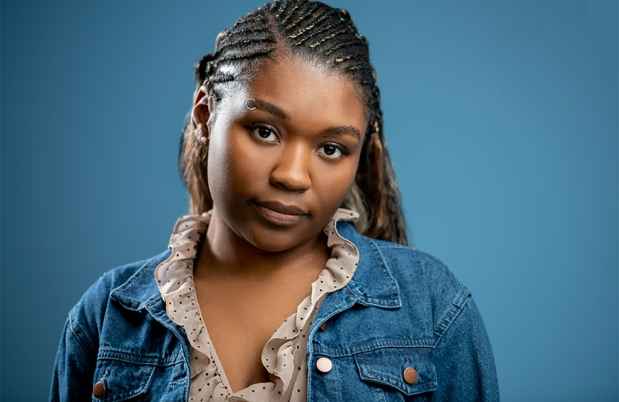
Miriam
Miriam
Why do we treat physical and mental health so differently?
The walls were closing in. Since Miriam was a teenager, she fought depression’s strong grip. Crying. Struggling to face each new day. Somehow she got through high school and college, but as her friends one by one got engaged or married, loneliness and hopelessness consumed her thoughts. By the time she was 30, Miriam admitted herself to one hospital, then a second in New York.
I told only a few people that I was in the hospital, including a close childhood friend. She called me while I was there and said ‘I only want to talk to you when you’re happy. Let’s speak then.’ I never heard from her again.
The rejection at a time when Miriam felt particularly down came as a blow and set her back in her treatment. She eventually decided on making a fresh start in LA, but after a short time, she realized her condition required a support system and she moved back to her family in Chicago, making a commitment to herself to get better.
I didn’t get it before—you need to have the right therapist and take your medication each day at the same time. Your health has to be your number one priority.
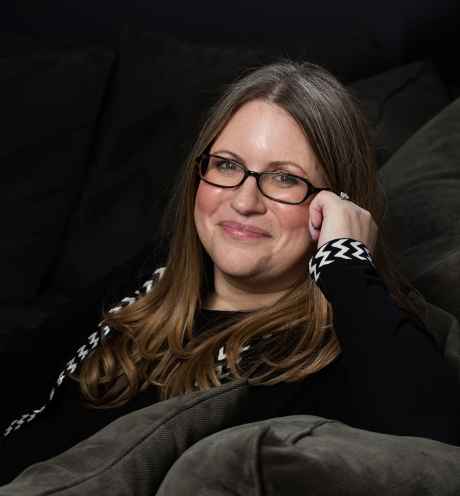
Miriam got a job at a big law firm. She got married to a man she describes as extremely supportive and accepting of her disorder. Yet she had never told any of her colleagues about her hospitalizations. Then she won a charity auction item—lunch with award-winning actress and mental health advocate Glenn Close. She shared her story with Glenn.
Other than relatives, she was the first person I told my story to. I figured, if I can tell her, then maybe I can tell others and have an impact on my community.
Inspired by Glenn, Miriam founded No Shame on U, a non-profit dedicated to eliminate stigma and raising mental health awareness. The group does events and has an active online community, with 35,000 Facebook followers.
My hope is for people to see that having a mental health condition is a medical condition, just like a physical condition. If you break your leg, you do not hesitate to seek treatment/care. The same is true with mental health disorders. Why do we treat the two so differently?
You can learn more about Miriam and her mental health activism efforts in her interview with Mental Health News Radio.