Lisha
Lisha
I am living the life that I never thought was possible
When Lisha was a teenager, she recalls feeling inadequate. Desperately wanting to be liked, she would meet people and instantly try to become best friends, conforming to fit into their worlds.
If I had a friend who was gothic, I would start wearing black lipstick and try to fit in that way. Another friend liked a country look, so I wore cowboy boots. When a relationship would end, I would call and call and call to try to repair it.
This yearning to be accepted led Lisha down difficult roads. At age 15, she was sexually assaulted by someone she thought was a friend. At age 19, a one-night stand ended in pregnancy. Unable to cope with the stress and the fear of abandonment, she began to develop suicidal thoughts.
Suicide was the only way I thought I could relieve myself from all the painful things I was going through. From age 21 to 35, I tried four times to end my own life.
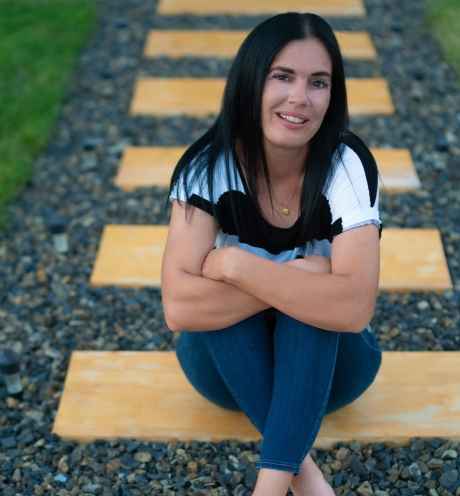
Despite her depression, Lisha was a highly functioning person. She didn’t look like someone who was struggling. In fact, she went to college and got a degree in psychology. She raised her daughter, with the help of her family.
It was like being two people at the same time. Fully functioning or debilitated. I got married and had my second child. I would engage in spending a lot of money on gifts for people to show them love or to get them to love me.
My level of need for outside validation was not attainable for the people around me.
It wasn’t until her last suicide attempt, at age 35, that Lisha finally connected with a therapist who was able to help. They built trust over the first few months of their work. Lisha finally learned the name of the condition that had plagued her throughout her life—borderline personality disorder (BPD).
There was hope and fear. Hope because I had a name for it, but fear because of the stigma.
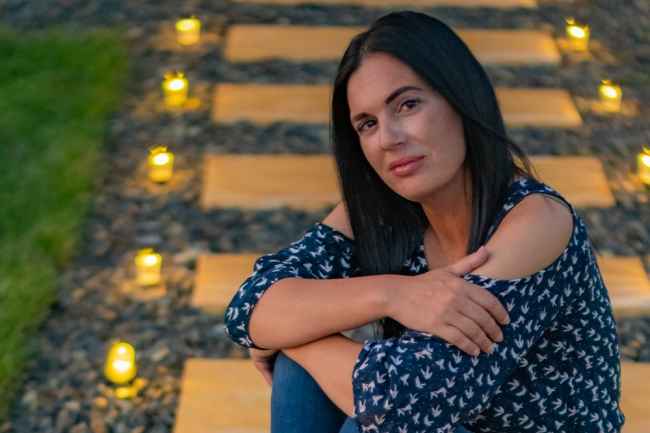
After three years of therapy, Lisha no longer meets the criteria for BPD. While she sometimes feels inadequate, she has stopped engaging in inappropriate relationships and overspending to gain approval.
She is able to control her emotions. She finally understands the meaning of the quote she read during her recovery process, “I needed to heal so I didn’t bleed all over the people who didn’t cut me. It was my responsibility to work through the pain.”
The journey has been long and never linear. But there is hope.
There is no way of overcoming BPD on your own. It’s not possible. Find the right person to help and keep trying. You can live a very fulfilling life.
I spent so much of my life in super highs and super lows. Now, to have stability, I am living the life that I never thought was possible.