Kam
Kam
A diagnosis can be terrifying, but it can also help you thrive
I would search my house for bugs and start in one specific area in my room. I would pray a certain way to make sure I could have good dreams and ultimately go to heaven.
In one ritual, I would grab a kitchen knife, motion to stab myself in the eye, then duck at the last second. I felt that if I didn’t do this, something bad would happen to my family.
Kam recalls many of these tics and rituals she engaged in as a kid. Neither Kam nor her parents understood their meaning and cause. Some of the themes of her obsessions changed as she got older, but their impact remained the same.
I would learn how to react to people’s facial expressions, so they thought I was listening. But really, I was in another world. Deep down, I knew my thoughts were irrational.
It wasn’t until Kam got to college and shared a room for the first time that she realized how intrusive her obsessions really were. She connected with a therapist and began the process of seeking a diagnosis.
At first, we thought I just had anxiety. We worked on tools and tips for anxiety, but after a year or so, it was clear the treatment wasn’t working.
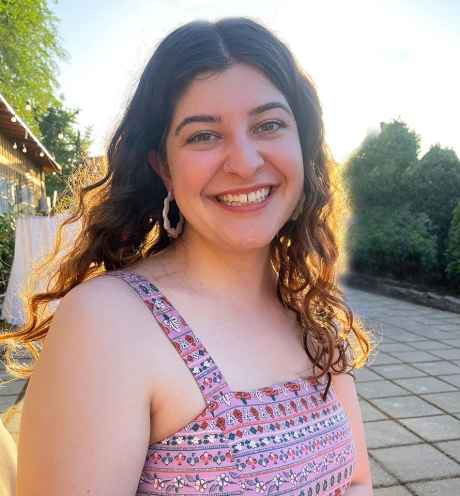
When Kam’s therapist suggested she may have OCD, she sought out a psychiatrist for further evaluation. The psychiatrist suggested Kam try medication. At first, Kam rejected the diagnosis and treatment.
My perception of OCD was so skewed, and I thought meds were for crazy people. I mean, you live your life thinking one thing, and now it felt like my identity was completely changed. But that was my own stigma against mental health disorders.
On her own time, Kam dove into research. She found a rich community online and connected with others with OCD. Gradually, Kam accepted her diagnosis and eventually was willing to try medication.
I felt like I was finally on Earth, like I was a real person. I started checking in with my psychiatrist regularly and figuring out the right dosage and medication regimen. It felt like I was no longer underwater.
When Kam shared her diagnosis with those closest to her, she got mixed reactions. Many of her close friends felt the diagnosis made sense, while some of her family members struggled to understand.
Culturally, my dad’s side of the family is Lebanese. They were like, ‘You don’t really have that.’ Over time, though, they were able to understand and support me. You figure it out—you have friends and family who are able to support you.
Today, Kam writes essays about her experience with OCD. She holds an MFA degree and aims to be a writing professor. She encourages others to approach diagnoses and help with an open mind.
It can be terrifying to receive a new diagnosis; it can feel like your identity has changed. But it doesn’t mean you are a different person. You just have more information to thrive.