Jane
Jane
It will get better
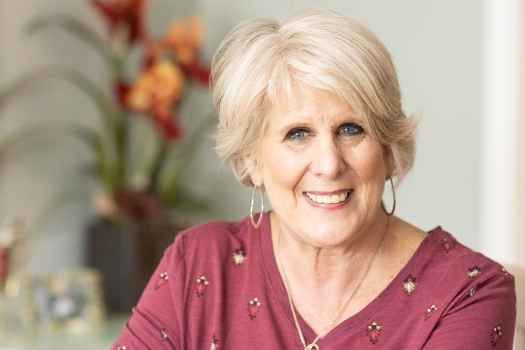
In her mid-60s, Jane is an outgoing woman with an energetic laugh and a hopeful outlook on life.
To talk with her, you would never guess that she spent seven years living on the grounds of McLean Hospital struggling to get out from under a cloud of depression and suicidal thoughts.
Looking back at my early life, I always felt like I was acting—or being someone I wasn’t.
I grew up in a time when you just didn’t talk about feeling depressed or admitting to having self-hatred because you didn’t feel you were good enough.
I remember having self-doubt, even as a little girl, but knowing I couldn’t or shouldn’t tell anyone.
Like many baby boomers, Jane secretly lived with self-doubt and feelings of not being good enough throughout her teens but managed to hide those feelings from her friends and family.
She graduated from college with high honors and was working full-time in the advertising department at a major newspaper.
She married the love of her life at age 21 and seemingly had the perfect life until things came crashing down eight years later.
At 29, I was handed a note telling me that my husband was leaving me. I went home, and he had emptied our house of all of his things.
My facade of ‘everything is fine’ that I had maintained for so many years just vanished, and my world crumbled.
All of the suppressed feelings of depression and self-doubt hit Jane like a relentless storm, resulting in a suicide attempt and multiple mental health hospitalizations.
Jane was so debilitated by her mental health disorder that she was forced to put her personal and professional life on hold.
She eventually found herself at McLean Hospital, where she spent the next seven years of her life—a length of stay that is extremely unusual in today’s health care environment but wasn’t uncommon in the 70s and 80s.
“I want people to know that they can get better. Don’t give up. Even if you have to try 50 times, maybe the 51st will be the one that works.”
Jane’s situation was complex, and it was difficult to identify the right treatments for her, but neither she nor her caregivers ever gave up.
Sometimes things worked for a while—then they didn’t. But even when things seemed dark, I knew that I had to keep searching for the path that would lead to recovery.
I always say, ‘No therapy works until it works.’ You need the right formula—the medication, the living situation, the right doctor.
The path is not a straight line.
Eventually, Jane and her team found the combination of therapy and medication that allowed her to flourish again. She became and continues to be an outspoken mental health advocate and also re-entered the workforce.
With her tenacity to succeed and dedication to therapy, Jane enjoyed a successful and long career with the newspaper. She remained at the paper in its classified advertising department—earning numerous awards and accolades—until her retirement a few years ago.
Did treatment success happen overnight? No. Were there people to catch me? Yes.
I was lucky enough that I had the support from my parents to keep trying to get better.
They never stopped believing in me, even when I couldn’t.
Today, although retired, Jane keeps a busy calendar, staying both physically and mentally healthy by going to the gym, meeting with friends, and caring for her Maltichon therapy dog, Annie.
Jane also remains a vocal mental health advocate and hopes that sharing her long journey to recovery will give others hope and encouragement. She will continue to share her story and use it to offer hope to others who can’t find it.
You may find yourself saying, ‘I’m never going to get better. It’s never going to work.’
Sometimes you hate yourself and think there’s nowhere to turn. But there are options out there.
I want people to know that they can get better. Don’t give up. Even if you have to try 50 times, maybe the 51st will be the one that works.
If I can be successful, so can you. I promise it will get better.