Duncan
Duncan
I realized that I should be proud of going through this
At 19, a psychotic episode landed Duncan in jail. He was soon transferred to a psychiatric hospital, where he found it difficult to find the right treatment for his symptoms.
After getting out of the hospital, Duncan struggled with substance misuse in his 20s. He eventually went to a rehabilitation center, where he was diagnosed with depression.
I survived on antidepressants for 30 years.
A professional writer, Duncan found solace in writing about his experience with mental health.
However, he did notice subtle instances of stigma around having a mental health disorder in the workplace and even just talking to friends. So, when he was writing a novel about his first psychotic episode, he made sure to change any personal details in his novel that could be connected back to his own experience.
I was ashamed because I didn’t want it to affect my job or how people viewed me. Hiding behind all that was really hard.
I was very uncomfortable and felt a lot of shame.
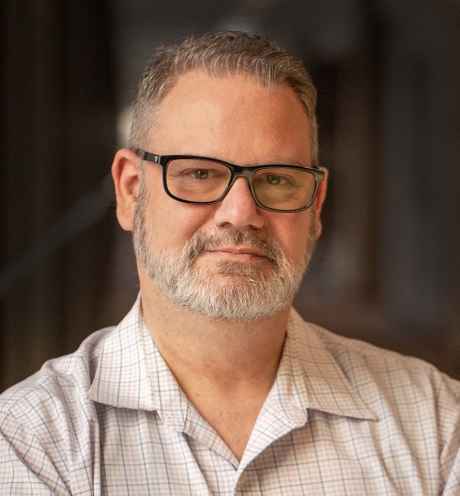
He also noticed instances of internalized stigma as well. Despite earning his MBA, Duncan did not apply to the same “high-pressure” jobs as his peers.
I was afraid to take a lot of jobs that I didn’t think I was strong enough for.
Meanwhile, Duncan felt something was missing in his diagnosis. He was noticing a pattern in his behavioral symptoms that differed from depression.
I would have these episodes of irritability that I wouldn’t really understand. I found out that this is a symptom of bipolar disorder.
Around the age of 50, Duncan was diagnosed with bipolar disorder. It has been the support of his friends and family, continuing to see his outpatient therapist, and getting the correct medication that has been key to living life with a mental health condition.
“I was ashamed because I didn’t want it to affect my job or how people viewed me.”
Now, Duncan is in the process of writing a guide for psychologists from a patient’s point of view about overcoming the stigma around mental health and how stigma can affect a person’s quality of care.
This time, Duncan is ready to share his own story without using any aliases.
Duncan works hard every day to live life with a mental health condition, and he is aware of just how much external and internal stigma can affect his life.
Throughout all that he has encountered, Duncan has been able to publish multiple books across many genres, speak on podcasts and interviews about the stigma around mental health, direct films, play the autoharp, and spend time with his husband and dog.
Don’t let anyone tell you that seeking help for your mental health is shameful and wrong.