Doug
Doug
We need to tackle athlete mental health head-on
It started in a neighborhood in Winston-Salem, North Carolina. A friendship. A brotherhood. AJ and Doug were two high school athletes, pushing each other to be the best versions of themselves.
I played football and AJ ran track. Sports was the foundation of our relationship. It was an outlet for us to stay out of trouble.
And we found we could push each other, as we both dreamt of becoming professional athletes.
When Doug reached that dream, getting signed by the New York Jets just after college, AJ celebrated by his side. That kicked off a six-year, multi-team career in the pros for Doug.
But as Doug’s opportunities became realities, he noticed that AJ was fading. Once a vibrant soul, his best friend had become increasingly withdrawn.
I could notice some depression and changes in his behavior. He didn’t want to shower or go out in public.
He tried to get help and was hospitalized a few times. He was taking medication, but it had side effects. The medication and the therapy just weren’t working.

Doug knew about mental health struggles. His mother was a therapist. He knew that treatment wasn’t the same for everyone. And as he quickly learned by watching AJ’s attempt to find help, it can take time to find the right doctor or counselor.
In 2017, there weren’t as many mental health professionals of color that were accessible to the African American community. AJ couldn’t find a therapist he could identify with.
AJ took his own life in 2017. Devastated by the loss of his long-time friend and frustrated by the lack of resources for those in need, Doug decided to tackle the issue head-on by starting Dream the Impossible, a nonprofit focused on reversing the trend of suicide, particularly among Black people, with a special focus on Black athletes.
For most athletes, it’s hard to figure out what life looks like after the sport you love ends—whether that’s in high school, college, or the pros.
Being an athlete means always setting goals to get to the next level.
Most of the time, your sports career doesn’t end on your own terms. And many athletes lose their identities. They need a path and a purpose.
“Most of the time, your sports career doesn’t end on your own terms. And many athletes lose their identities. They need a path and a purpose.”
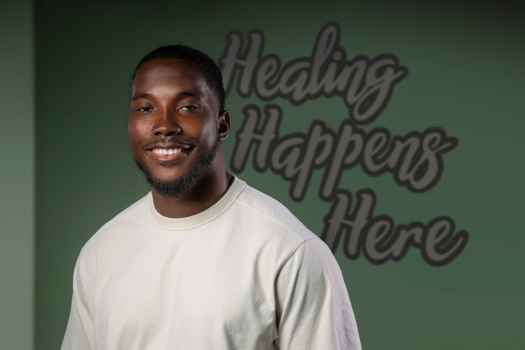
Even when an athlete realizes they need help, the culture around sports makes it difficult to seek treatment. Doug points out that while it’s getting better, most coaches still think of mental health issues as a weakness.
When you are an athlete, everyone sees you as this role model, but the reality is that it takes so much of you to compete and stay on top.
We want to eradicate the stigma around mental health so that athletes have the courage and confidence to ask for help.