Cynthia
Cynthia
You need to be who you are destined to be
When I was younger, I had so many dreams—marriage, children, a successful career. But when depression hit, it stole some of those dreams.
I choose to participate in this project because I don’t want to see other young people miss out on their dreams.
It took a long, long time for Cynthia to confront her issues with anxiety and depression and start getting help.
Growing up in a stable household in New England, Cynthia said that she followed the example of her parents, and she denied her condition for years. It’s what her culture—the African American community—taught her to do.
Mental health in the black community has long been a touchy topic, particularly among the more conservative and older people.
The overriding belief is you don’t go to therapy or counseling or take medicine.
You go to church. And you don’t talk about your business to anybody. You put on your big girl pants and keep it moving.
That’s what I did, except I wasn’t going anywhere.
“I have a testament. I want to tell young girls, especially girls of color, that they don’t have to be embarrassed, they don’t have to be ashamed. I want them to be their authentic selves.”
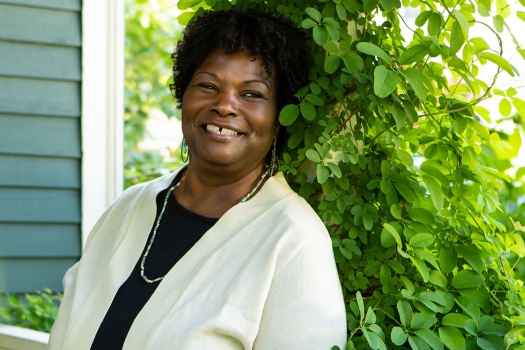
In her 20s, Cynthia made her first attempt at breaking through the stigma and getting help. Unfortunately, the women’s clinic in Boston she walked into, although understanding, could not dispense the medication they thought was needed to get her disorder under control.
“Once again, I pulled up my big girl pants,” she said. But by her late 30s, she felt completely overwhelmed.
I called my dad and told him that I was checking myself into the hospital. That was a huge step for me!
I took time off work—I didn’t dare tell anyone what I was doing—and I did an inpatient stay for three days.
In the hospital, I met so many people who were struggling. I met people unlike me but also people just like me.
It was freeing, and it really changed my perspective. I was finally able to completely break through. I started seeing a doctor and taking medications.
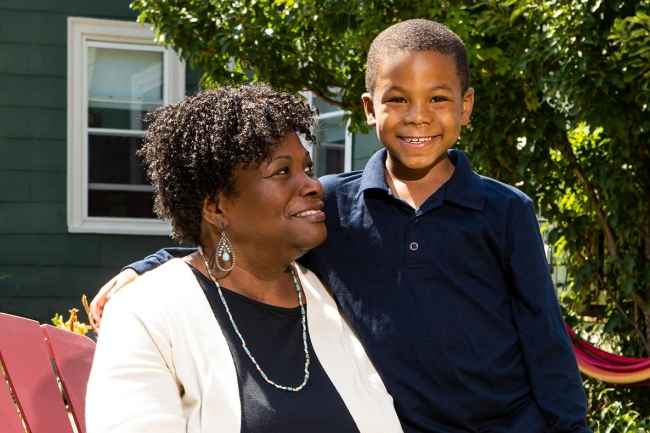
Since then, Cynthia has worked to make things better, not only for herself but for her community. She studied psychology, educated herself about mental health, and earned a Master’s degree in Education.
She became involved in the foster care system and fostered children for many years.
Several years ago, she adopted children of her own through the foster care system—two boys—both struggling with mental health issues. She says she “was destined to be their mom.”
Now, she wants to share her experience and help people with mental health conditions overcome stigma and get help—particularly young girls in the African-American community.
I have a testament. I want to tell young girls, especially girls of color, that they don’t have to be embarrassed, they don’t have to be ashamed.
I want them to be their authentic selves.
You need to be who you are destined to be. You need to reach your full potential.