Christophe
Christophe
Embrace the concept that, with effort, you can improve
Recovery is possible. There is no need to let fear and judgments against yourself create barriers from what the Greeks call ‘ataraxia,’ or the release from suffering.
It’s not the positive presence of euphoria, but rather the absence of pain that brings delight and new possibilities for a fully functional life back into your cosmos.
It took years for Christophe to overcome the judgments of others—and himself—about his mental health conditions. A victim of abuse as a child, Christophe has had issues with anger, disordered eating, insecurity, and depression.
Also, his mother’s death had a large impact on his mental health.
She was like a candle brightening the whole room, and when her light expired, the whole space went dark with her.
It contributed substantially to my sense of depression and despair.
Christophe was diagnosed with bipolar disorder. Over the years, he has sought treatment for his diagnosis, but a string of negative experiences and stigma prevented him from making progress.
My recovery was substantially harmed by the fact that there was so much stigma—not just the way other people might think about me, but the way I thought about myself.
At age 27, while in graduate school, Christophe experienced a major depressive episode. He couldn’t work. He couldn’t take care of himself.
My bipolar was controlling my ability to be productive. It was literally impossible for me to work. I ended up being hospitalized for a month or so.
“My recovery was substantially harmed by the fact that there was so much stigma—not just the way other people might think about me, but the way I thought about myself.”
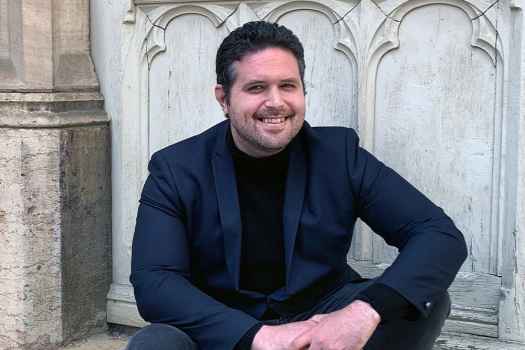
It took multiple hospitalizations before Christophe became receptive to treatment. In time, he committed to his treatment. And he started to feel better.
Hospitalization was great because it put me in a space where my sole focus was getting better and where there was a team of people committed to showing me how I could get better.
I went from a place where I could not function in terms of taking showers, writing papers, reading, or doing anything to feeling wholly stable.
Christophe has continued to make improvements in his life. He secured a great job, working for a nonprofit organization dedicated to “human flourishing” by teaching individuals to “love, learn, and play.”
In this role, he focuses on social media and public outreach. Also, he has dedicated himself to improving his physical health along with his mental health.
Reflecting on his experiences, Christophe now understands the importance of fighting through the stigma associated with mental health, committing to treatment, and staying on course.
I was lost, even more lost than I felt. To my family and friends, there was real fear they would never get to know me again, with a distance forged by emotional instability on my end.
One professor of mine described my post-treatment rehabilitation of my life as a ‘resurrection,’ and that is exactly what it felt like.
It felt like I had died a death of who I was in life and emerged a broken shadow of myself.
Welcoming the aid of professionals, embracing the concept that with effort I could improve, and accepting the ongoing nature of my treatment required me to let go of their internal stigma—to see this as equivalent to any other injury we might suffer in life.