Carol
Carol
Proper treatment requires a proper diagnosis
Carol was preparing for midterm exams during her freshman year at a prestigious women’s college when the dean of students called her into her office and demanded she take a semester off.
The dean told me to drop out of college and instead see a psychiatrist. She never explained why.
The year was 1958, and mental health was rarely discussed. Carol was 18. It wouldn’t be until nearly three decades, and a second opinion, that Carol would actually have a name for that troubling behavior—bipolar disorder.
I started seeing a psychiatrist who specialized in bipolar symptoms. I got on medication and had discussions that allowed me to finally move forward with my life.
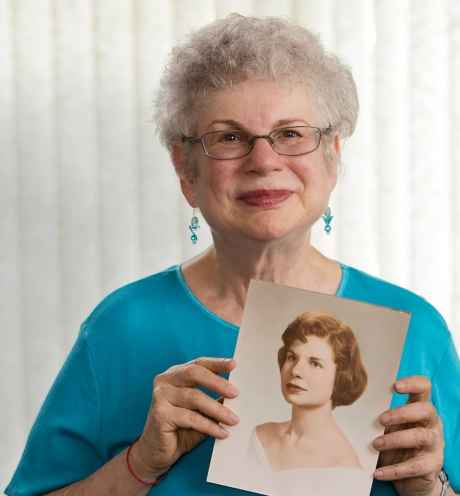
Carol is what is called a “slow” cycler and often has ten years between bipolar episodes of severe depression and energy-charged mania.
She was surprised that she had an unexpected episode six years ago, when she was recovering from hip replacement surgery.
At that time, I tried electroconvulsive therapy.
I also began seeing a case manager and attending a social worker-facilitated women’s support group at a geriatric day program for older adults with mood disorders.
These interventions definitely helped me, but I still need to devote time and patience to the healing process.
“Having other people who understand what you are going through, first hand, helps you feel less isolated.”
Throughout her life, Carol has been a pioneer in encouraging advocacy for those seeking management of their symptoms.
In 1991, Carol co-authored an article published in a professional, peer-reviewed journal; the article focused on the benefits of doctors and their patients collaborating, when relevant, on the notes of visits.
She also served as the first clerk of a chapter of the Depression and Bipolar Support Alliance (DBSA), a peer support organization, helping to expand attendance from 11 to sometimes as many 300 people at their weekly meetings.
In addition to having a formal team in place to help you with your disorder, I recommend having peer support.
Having other people who understand what you are going through, first hand, helps you feel less isolated.
Carol has been married to her current husband for 43 years and they have traveled the world.
Don’t give up until you find a doctor who gives you the proper diagnosis. That’s what you need to begin to get better. It’s an ongoing healing process.