Brian
Brian
No one knew the pain I was experiencing
Prior to becoming a licensed therapist, Brian was familiar with the process of seeking mental health care. As an adolescent, Brian experienced challenging relationships, sparking his first depressive episode.
My mood was super low, but because I was ‘high functioning,’ people couldn’t really tell what was going on.
From 2012 to 2022, Brian actively engaged in treatment for depression and suicidal thoughts. He was able to complete undergraduate and graduate studies in counseling, and while his depression didn’t prevent him from living his day-to-day life, he did experience serious thoughts of suicide.
He recalls experiencing a “second big wave” of his depression, but he sought out a provider who would ultimately guide him to reframe his viewpoint.
Brian reflects back on that time, remembering his dark thoughts, but also how helpful his provider was by giving him context to what he was experiencing.
At the time, I remember just wanting to die, but my provider often talked about how things find their place with people and that trauma finds its place in your brain so you can make sense of it.
Brian says that thinking about depression in that way gave him a whole new perspective.
The depression became more existential, with thoughts like, ‘What’s the point of all this? What are we doing? Is this it?’
Brian found himself “trying to find a place within it all” and began to realize that he might as well do what he wants with the time he has. In his battle to find meaning in his experiences, Brian came to believe that everything starts with awareness, and you can’t put in work until it comes to the conscious surface.
“We respond to what’s going on around us largely through our own internal image.”
It was through intense work with his long-term provider that Brian was able to trace some of his challenges and desire to help others back to his childhood, where he witnessed his own mother experience increased anxiety after his father was diagnosed with cancer.
It took years to discover and unpack this. Brian describes this realization as the nucleus of him wanting to help people, after seeing his mom struggle.
Brian knew that a career where he could use his experiences and what he has learned would be beneficial for him.
Part of my decision to become a therapist was my personal experience, but I’ve also been doing the therapy and taking medications.
I wanted to do something that I’m good at and can be engaged in. I was told that I listen well and I am easy to talk to. I enjoy working with patients who are ready for change. If we’re going to start something, we need to see it through until the end.
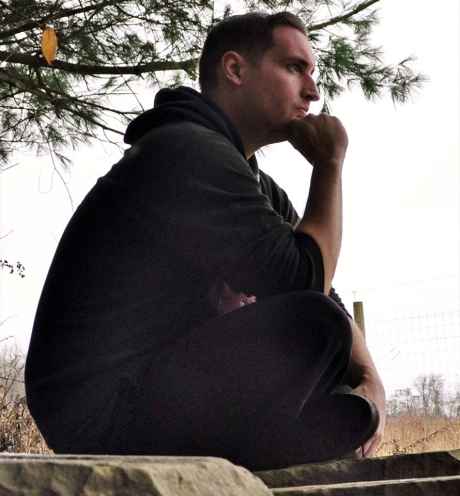
Brian uses much of what he learned during his ten years as a patient in his work today as a therapist, providing for others struggling with their mental health.
I try to integrate how my previous therapist thought, how she listened, and what she would say with my own style of therapy. She was truly an excellent mentor as well.
Brian believes that psychotherapy allows those seeking treatment to go in-depth and explore and understand what might be bothering them. Through his current work as a licensed therapist, Brian runs skills-based groups that focus on a wide array of topics, such as communication, perfectionism, anxiety, and depression.
Therapy changed my life, and now I am able to help others get better.