Bianca
Bianca
I had a turning point in my journey
For a long time, I believed having bipolar disorder was some sort of character flaw—that I’d be labeled as ‘crazy’ if people knew.
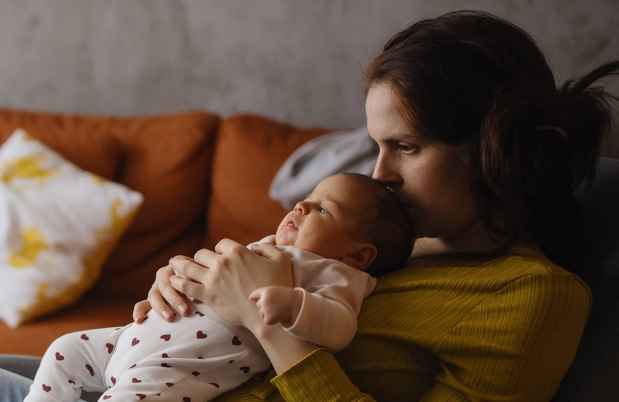
Following the birth of her first daughter, Bianca experienced severe postpartum depression. Although she tried different medications and sought counseling from a psychologist, nothing seemed to help.
When her second daughter was born, Bianca again faced postpartum depression. Once more, she tried medications and counseling to manage the symptoms, but nothing worked.
In early 2016, I experienced my first manic episode, trying to juggle an extreme amount of stress at work and the responsibilities of being a mom.
I was diagnosed with bipolar disorder and was hospitalized for about two weeks at a mental health institution.
While there, I was put on medication to control the mania, and I participated in group therapies and activities. This form of treatment, at least at this particular place, helped.
“I want to tell individuals who may need help, that although they are the ones who are struggling, they are also in control of their health journey.”
However, as is customary of a bipolar diagnosis, within months I seesawed down to severe depression, which lasted a year and a half. I sought therapy and the help of medications, but again, it seemed to be a waiting game.
Bianca experienced her second manic episode in 2020, and she was hospitalized once again.
After being discharged, I again fell into a severe depression, this time for about five months.
Since then, I continue to take medication for the bipolar disorder, as well as a mood stabilizer, and continue to work with my psychologist for treatment.
Bianca believes that her first hospitalization was a turning point in her mental health journey.
Not being familiar with the experience of mania and bipolar disorder, my first hospitalization at a mental health institution was unquestionably my best road to recovery.
There, I got the medication I needed as well as different forms of therapy that aided in my recovery. Also, it allowed me to share a space with people going through similar mental health issues, making me feel like I wasn’t alone in my experience.
Realizing that she was not alone was an important discovery for Bianca. For years, mental health stigma prevented her from coming to terms with her conditions.
Then, she joined a creative workshop and began work on a memoir about her life and her experiences with mental health.
Now, she uses her story to help people understand mental health disorders and reach out for help.
I want to tell individuals who may need help, that although they are the ones who are struggling, they are also in control of their health journey.
I would ask them to shut out any negative voices standing in the way of their recovery.
Also, I would ask them to research the many success stories of people who have battled and learned to live, even thrive, with mental health challenges.