Alejandra
Alejandra
There is a way out
Since she was 15, Alejandra knew that something was wrong, that even though her diet was very strict every day, she weighed more.
I went to see a nutritionist and she said that since I didn’t fit for anorexia or bulimia then I was fine.
When Alejandra entered college, her condition worsened.
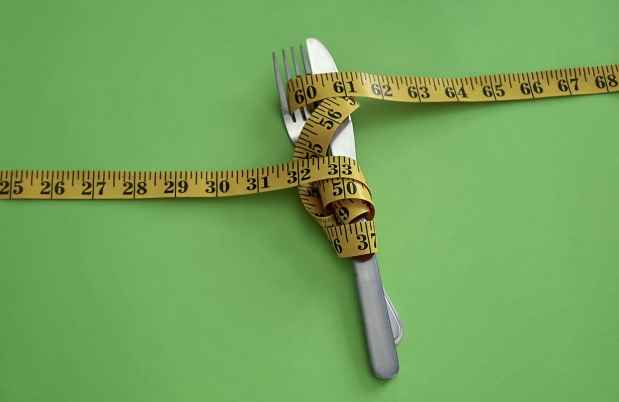
I became obsessed with counting calories. I memorized the calories in everything so I wouldn’t eat anything that exceeded my calorie intake.
Her condition didn’t cause her physical harm, as is so often the case with eating disorders. Instead, it kept her fixated on food. Food became an inescapable regimen.
It affected many things. At home they were annoyed by my obsession with food. ‘You only eat healthy and nothing else. you are already crazy,’ they told me.
Also, socially, I was very self-conscious. I tried not to eat outside, and I didn’t like to be invited out to drink or eat.

Alejandra understood that she had to seek help, but at first, she didn’t feel that anyone in her close circle supported her. Then her father reached out to her.
For the ones you live with, it’s hard to understand. I had to hide a lot. When my dad took me to the psychologist, I just thought I should cure myself because I thought, ‘What if a person with whom I’m in a relationship with found out and judged me?’
While I was studying nutrition, I felt conflicted. How can I help my patients if I am struggling myself?
When she was 20 years old, Alejandra was diagnosed with an eating disorder and began psychological treatment.
While working through it, I saw how the obsession was linked to my self-esteem and how it fed the disorder, and the disorder fed those thoughts.
With the COVID-19 pandemic, her disorder found a way to mask the damage it was causing her, as isolation made it easier for her to have greater control over her eating and her social inhibition was justified.
However, her condition aggravated other aspects of her life, leading her to seek help when she was not able to sleep.
I managed to have a good connection with the people I worked with, especially my psychiatrist. He first tried to stabilize me before resuming therapy with the psychologist.
I had to work a lot and unlearn many things. Especially things that I was studying to become a nutritionist. I had to unlearn to count calories.
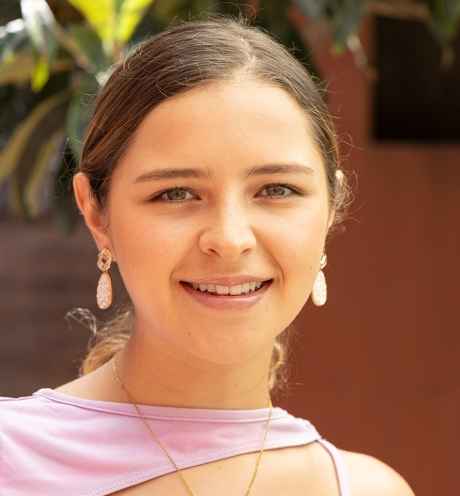
Today, Alejandra has improved the management of her condition, but it is a daily effort to overcome and continue improving.
She made efforts to let her close circle know that bulimia and anorexia aren’t the only eating disorders.
Working as a nutritionist, she has also become a support for a friend of hers who is going through the same condition.
In the past, my mother used to get angry because we couldn’t eat outside. Now we can go out to eat, I can go out to have a coffee.
Sometimes, things get so bad that we think we don’t need help, but it’s needed. That’s why mental health clinicians exist.
For me, it really seemed like a tunnel with no way out, but there is a way out.
Alejandra’s story is also available in Spanish