Hard To Ask, Hard To Hear: Barriers to Suicide Assessment
Asking someone about suicide is rarely easy. Even experienced clinicians may struggle with knowing what to say, how to respond, or what to do when a patient shares something difficult.
And for patients, opening up can feel just as complicated. Fear of judgment, hospitalization, stigma, or the consequences of disclosure can make it harder to speak honestly about suicidal thoughts.
So what gets in the way of these conversations, and how can we make them more open, compassionate, and effective?
Join Doreen Marshall, PhD, and Roger Pottanat, MD, for a free virtual training exploring the emotional, interpersonal, and clinical challenges of suicide assessment—and how thoughtful communication can help clinicians navigate them.
Why This Training Matters
Knowing how to assess suicide risk and feeling prepared to talk about suicide aren’t always the same thing.
Clinicians may understand the principles of suicide assessment but still hesitate when a patient shares something deeply painful, fears hospitalization, or avoids answering directly. What happens in those moments can shape the conversation that follows.
Patients bring their own concerns into these interactions, too. Shame, stigma, cultural expectations, and uncertainty about how a clinician might respond can make honest disclosure difficult.
This training looks beyond the mechanics of assessment to explore the human factors that influence these conversations. Through expert discussion, participants will consider how language, validation, cultural awareness, clinical preparation, and collaboration can help create space for more open, compassionate, and meaningful conversations about suicide.
What You’ll Learn
- Recognize common barriers that prevent patients and clinicians from speaking openly about suicide
- Learn how to ask about suicidal thoughts directly and compassionately, using language that encourages honest discussion without judgment
- Respond thoughtfully to disclosure, balancing empathy, validation, and clinical responsibilities
- Understand how stigma, cultural context, and fear of hospitalization can influence patient communication
- Navigate difficult clinical decisions, including safety planning, consultation, and determining appropriate next steps
- Reflect on the emotional demands of suicide assessment and identify ways clinicians can build confidence and seek support
Who This Training Is Designed For
This training is designed primarily for mental health professionals who assess, treat, or support people experiencing suicidal thoughts or behaviors. It is clinically focused and includes discussion of assessment, professional judgment, and treatment responsibilities.
Participants without a clinical background may find the discussion informative, but it is principally designed for professionals involved in suicide-related care.
About the Experts
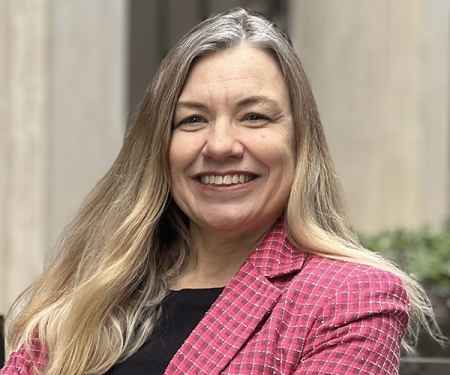

Two Ways To Join Us! Sign Up Now
Note: Continuing medical education credits are not available for this training
Event Details
- Date: December 3, 2026
- Time: 12pm ET
- Duration: 60 minutes
- Format: Virtual training
- Cost: Free to attend
- Presenters: Doreen Marshall, PhD, and Roger Pottanat, MD
- Live Q+A: No
- Recording availability: Available to registered attendees
- Certificate of attendance: Available for a small fee
- Continuing education (CE/CME): Not offered
Difficult Conversations Deserve Thoughtful Preparation
Talking about suicide can bring uncertainty, discomfort, and a profound sense of responsibility. But clinicians don't need to navigate those experiences without preparation or support.
This training offers an opportunity to examine what makes these conversations difficult and explore approaches that can help clinicians listen, ask questions, and respond with greater understanding.
Join us for this free virtual training.
Who Should Attend
Primary Audience:
- Mental Health Professionals (psychologists, psychiatrists, social workers, nurses, counselors, therapists)
Additional Audiences:
- Health Care Professionals
- Community & Public Health Leaders
- Education & School Professionals
- Faith & Community Leaders
- Individuals & Families
- Parents & Caregivers
- Workplace & Organizational Leaders
Wait! There’s More!
Explore 100+ expert-led sessions on key mental health topics. Designed for professionals and community members alike, the library offers accessible, high-quality education in a flexible format.
Have a question about our upcoming event?