Yaqeen
Yaqeen
If you feel like you’re drowning, know that you’re not alone
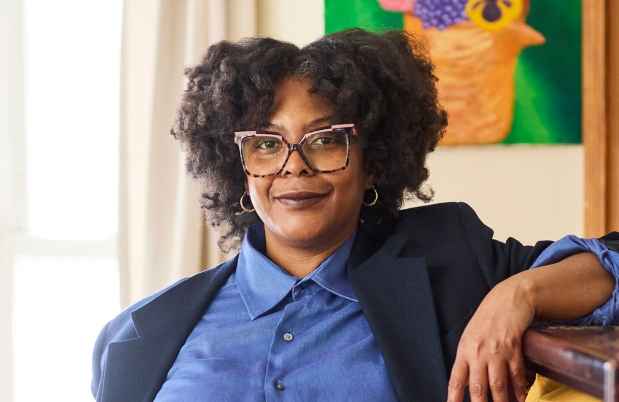
When you walk into her large flower shop and discover Yaqeen, the talented and happy florist behind the spectacular arrangements, it may be difficult to believe that there are times when she struggles.
Sometimes, the light goes on and I imagine the whole world in colors and faith and joy. Then someone turns off the light and I see everything in black.
At the age of 4, Yaqeen experienced abandonment, a difficult experience which led to the onset of bipolar disorder.
When she shared her feelings with friends or family, she felt misunderstood. Her friends claimed that she was allowing her moods to control her and that she should instead control her moods. Her friends also advised Yaqeen to cope like everyone else. Her family instructed her to pray as a religious Muslim should.
People don’t realize that experiencing mental health challenges doesn’t mean you’re not strong. But when you’ve been strong for a long time, it takes all your strength just to get up for a new day and live with the same pain and the same trauma.
Over time, Yaqeen began to keep her feelings secret, wearing what she calls a “mask of a tough person without feelings.” Internally, her emotions were storming, but she did not let anyone else know how she was feeling.
I completely stopped sharing. People thought I was a moody person. When I told them I have bipolar disorder and I’m depressed now, they said, ‘Okay, we’re no different, we all have our sad times.’ I felt like they wouldn’t let me share what I was really going through, that I always had to be funny and live behind a mask.
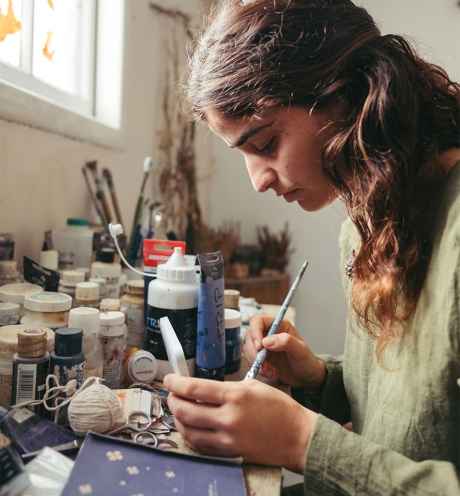
While struggling with her mental health, Yaqeen developed her artistic talents and began to create spectacular works. Her parents and family claimed that she had special powers to change things in the world, but she felt that her soul was trapped and she could not get free.
I wanted to change, I wanted to help people, I wanted to do a lot of things. But I couldn’t do anything because I felt like I was locked in a four-door cage. I always ran away but I didn’t know where I could go to run away from myself.
The big turnaround for Yaqeen occurred during one of her hospitalizations, when she left the program and ran home.
A few days later, she met a girl who had seen her in the hospital. Yaqeen and the girl talked about why she had run away. The girl told her she understood why Yaqeen felt the way that she did, and said her brother was dealing with the same issues and that’s what was hardest for the girl.
Encountering understanding and empathy helped Yaqeen decide to break her cycle of silence.
We all experience a time when we feel very weak. But we need to share our weaknesses with the right person.
Yaqeen came to the realization that only a person who has experienced the pain of mental health issues could really empathize with another person in the same situation. She decided to tell the world her story in order to give hope to others.
No one understands another person’s pain, except for a person who has gone through the same sort of experience. Pain makes us all feel different. If you feel like you’re drowning and don’t know how to swim, know that you’re not alone.
Yaqeen’s story is also available in Hebrew