Steve
Steve
The fear and hesitation that you have is understandable
Growing up in a family of seven children, Steve remembers a home centered on sports, school, and faith, but lacking emotional connection. His parents were caring and provided structure, but they didn’t express vulnerability and emotional honesty.
In middle school, Steve was sexually abused by an older male neighbor. He carried the experience in silence for nearly a decade, alone with the shame, confusion, and self-blame that followed. Without a safe place to talk about the abuse, he buried it and carried it into an all-boys high school, where rigid ideas about masculinity only deepened his isolation.
I was guarded and unstable in my mind, though seeming stable in the world. I was able to function outwardly while feeling deeply disconnected inwardly.
When a family member disclosed their own abuse, Steve felt like a door had opened for him. Eventually, he told his parents about his experience, but their responses often felt minimizing or deflecting, leaving him feeling more alone. That lack of validation reinforced his painful belief that he was unworthy and unsupported.
For years, Steve coped by drinking heavily and keeping people at a distance. In college, a chance at closeness with his future wife became a turning point. She was one of the first people he began to trust with his inner world, and her support eventually led him toward therapy.
His first therapy experience was discouraging: A therapist sent him away, telling him to come back when he was ready. That response echoed the invalidation he had already known. But with encouragement from his wife and the help of a sliding-scale payment option, Steve found another therapist he could open up to.
The benefit of taking that step greatly outweighs the convenience of just sitting still. Looking in the right places is important.
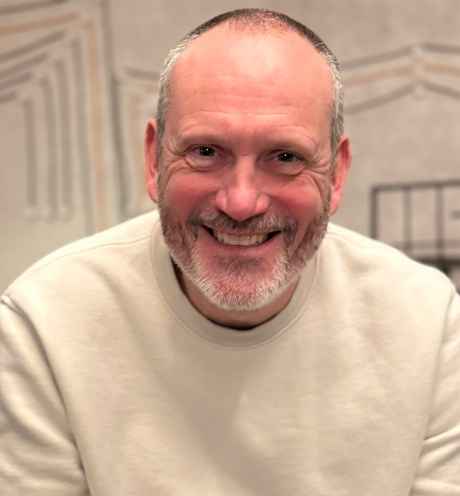
In that therapeutic space, he started talking about his family, the abuse, and the tangled mix of shame, anger, and longing that had shaped his life. Over time, therapy led to a diagnosis of complex PTSD. He came to understand that he would have to heal through connection, not isolation.
It is like running a marathon: There is no quick fix, but the right support systems, tools, and teammates can make the distance possible.
He continued healing through group therapy, couples therapy, and ongoing individual therapy. Steve realized that sharing space with others who could name similar feelings made his own experience less confusing and less lonely.
One of the most pivotal moments in Steve’s journey came through an unexpected LinkedIn connection with a sexual assault survivor advocate. Seeing someone so openly name their identity and purpose struck him deeply.
In that brief exchange, he felt understood without needing to share his story. It helped him see that his experience could have meaning beyond his own pain, and it gave him the courage to speak more openly.
I want to tell survivors that it’s not your fault, you’re not alone, and you can heal. There are communities that might not be your family or friends, but they are there.
That shift eventually led Steve to join the board of a nonprofit focused on safer, healthier environments for survivors. Today, he speaks publicly about his experiences, always hoping someone else will feel less alone.
I regret not having that lightning bolt moment earlier—that sharing my story could help other survivors—but it serves as a beacon to others now.
Steve first encountered the Deconstructing Stigma campaign at Logan Airport in Boston. Seeing so many people share their stories so openly made him think about how different his life might have been if he had encountered that kind of honesty earlier. It also made him think about what it means for someone to see his face, read his story, and know they are not alone.
Today, Steve continues his healing work in therapy and remains committed to staying open, even when that means facing painful truths. When asked what he would tell someone afraid to seek help, he returns to the same message again and again:
The fear and hesitation that you have is understandable.
Rejection sucks, but the beauty, wholeness, and love that you feel when you’re able to engage and make progress, that’s why we’re here. It’s not your shame.