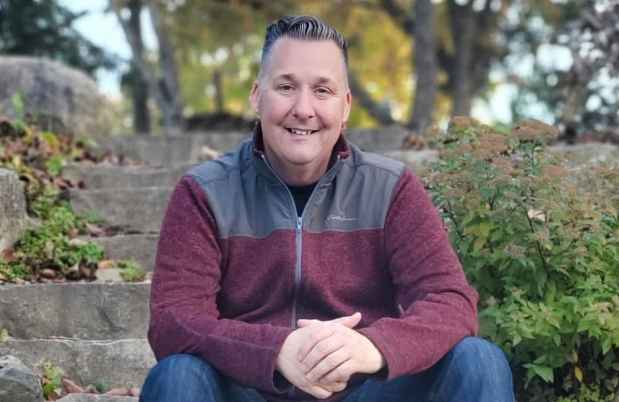
Scott
Scott
Anything that reduces fear improves the world
For as long as he can remember, long before joining the U.S. Army, Scott has struggled with depression and anxiety. Beginning at ten years old, he wondered how he might take his own life. He thought joining the military out of high school would be a way to die young.
During his military service, he began to use alcohol to cope with his mental health struggles. Despite twice losing his rank due to issues stemming from his alcohol use, he resisted believing that he had a drinking problem.
I felt my tolerance to alcohol was more of a superpower than a problem. I never believed myself to have a mental health issue.
I had too much pride to admit what I thought of as a weakness.
Near the end of his contract with the Army, Scott spent an afternoon playing pool and drinking a 12-pack of beer in the breakroom of his barracks. Due to the regular heavy drinking Scott was used to, he lacked the visible signs of drunkenness that usually resulted from consuming a significant amount of alcohol.
A fellow sergeant later asked if he could ride along in Scott’s pickup truck to an off-base bar to listen to live music. Before they reached the bar, they were stopped at a civilian sobriety checkpoint, where it was revealed that Scott was driving under the influence.
His friend in the truck was duty-bound to report the incident to their company commander.
My commander didn’t want to send me to inpatient rehab. He was satisfied with the addiction awareness classes that I took after a DUI.
One of the civilian counselors, however, convinced my command to send me to rehab, saying that I had honorably served for nearly a decade and deserved it.
Scott attended rehab while still in the military. They utilized Antabuse, a medication used to discourage drinking by creating unpleasant symptoms when mixed with alcohol.
Soon after, Scott experienced bouts of drug-induced psychosis and focused his blame on the drug rather than considering how his underlying mental health might have contributed to his excessive drinking.
“Being in treatment meant being humble enough to know that everyone needs help, including me.”
Years after his military service, Scott’s sobriety slipped, and he again experienced bouts of psychosis. In this case, rather than being brought about by a prescribed drug, the psychosis was assisted by his use of cocaine.
Instead of accepting treatment, Scott quit his high-paying job and sank into a depression. His marriage collapsed, his home went into foreclosure, his car was repossessed, and he came very close to taking his own life.
Scott managed to regain stability, peppered with misuse of alcohol and drugs, but nearly 20 years passed before he sought out therapy.
Luckily, in the fall of 2021, Scott met a trusted figure in veterans’ services who shared options for support. He began talk therapy and later the next year was formally diagnosed with post-traumatic stress disorder (PTSD) and major depressive disorder.
Being in treatment meant being humble enough to know that everyone needs help, including me.
Today, Scott is a full-time student working toward an undergraduate degree in psychology with hopes to one day become a researcher and licensed clinician. He loves to write and has even published a book about personal health and wellness.
He calls on those who are considering reaching out for help to challenge their fears.
I applaud you for getting where you are. If you are afraid to reach out for help, there’s a reason why—be curious about it. Nobody gets better without help from someone else.