Paul
Paul
Speak your truth and embrace this life
Even when Paul appeared happy on the outside, he was constantly battling with his mind and his will to survive.
The hardest part was when those who hadn’t lived with mental health struggles didn’t understand why he wasn’t stable all the time.
At 17 years old, Paul began experiencing deep grief following the death of his father. He felt helpless and attempted suicide. With a long history of mental health challenges and suicide in his family, he believed he was carrying on a curse.
After losing my father, I thought, ‘I can’t do this. I must end this curse.’
Thankfully, Paul survived. He went on to enlist in the United States Army—a lifelong dream. During his service, he received the Distinguished Graduate Award and served as a liaison, proud of his dedication and accomplishments.
Yet while in active duty, Paul experienced a manic episode, which led to an honorable discharge. Being forced to end his military career left Paul disillusioned.
After serving three years of honorable dedication, the Army sent me home with 30 days of medication and said, ‘Thank you for your service.’ It crushed me. All I wanted to do was serve. I felt like I was not worthy and had let my country down.
“It’s hard, and it hurts at times, but you are not alone. You must own your illness and have the will to prevail.”
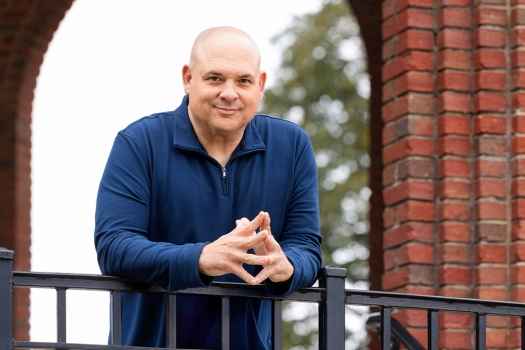
Looking for stability, Paul joined the International Union of Operating Engineers. He worked hard and, during his apprenticeship, received the Instructor’s Award. However, stigma followed him there as well.
When people knew I was living with bipolar disorder, they thought I was weak, useless, and slow. They underestimated my true strength and value.
Much like the military, the construction industry carried a mentality of “grin and bear it.” Struggling with mental health or addiction was seen as weakness, and support was scarce.
Both worlds taught Paul discipline and toughness, but neither provided real help for those facing invisible wounds.
That failure fuels his mission now—to change how we support people living with addiction and other mental health disorders, especially in environments where silence is the norm.
Paul’s perspective shifted one day when he saw a former roommate from a mental health facility who was now homeless and experiencing psychosis. Watching him struggle in the street, Paul understood his pain because he had been in his place.
I wanted to help him and all those living with mental health conditions and substance misuse.
That moment inspired him to become a peer specialist. Throughout his journey, Paul has faced trauma, manic episodes, and substance addiction. He has been hospitalized about 12 times for psychiatric symptoms.

Through it all, he has never stopped fighting. Faith, family, and therapy have kept him going. Today, Paul is a husband and father of four beautiful children.
My kids and wife saved my life; they are my purpose to keep fighting. The scariest part for me is speaking out, even to my family, but you have to find your way to speak your truth.
Now, Paul is certified as a veteran peer support specialist and as a depression and bipolar disorder peer specialist. His goal is to use his experiences to break stigma and provide hope.
Getting educated about your condition is important, and you have to do the work yourself. It’s hard, and it hurts at times, but you are not alone. You must own your illness and have the will to prevail.
Service to others is Paul’s new mission. Where the Army and construction industry fell short, he works to ensure people no longer suffer in silence. His story is proof that struggle can become purpose, and that purpose is changing the way we see mental health in this world.