Lee
Lee
I could step back and see the whole picture
Lee thought she had been successful in locking those images away deep inside. She had outrun the tortured memories of rape and sexual assault that started at the hands of those close to her when she was just 4 years old.
Lee spoke up about her early childhood trauma, but the few who listened encouraged her to forget about what happened. She tried, but the memories refused to remain secret.
I remembered what had happened. I pushed those memories away for more than 45 years.
No matter how much you try to run from complex post-traumatic stress disorder, it catches up to you eventually.
Looking back, Lee now recognizes she lived most of her life with a series of physical ailments that may have been directly related to pent-up trauma.
Those ailments landed her in the emergency room, but doctors didn’t find any underlying disease or condition. She experienced high stress, then tonsilitis (three times), ulcers, and cysts.

Now, she believes these medical issues evolved from the tension she held over the abuse. It wasn’t until perimenopause began at age 51 that she developed severe anxiety.
In the middle of the pandemic, I had these massive meltdowns when things would build up. I would be completely useless.
That led me to reach out to the employee assistance program through work. That’s when I got my complex PTSD diagnosis.
Lee learned that her shifting hormones made everything worse. It put her into a brain fog, and it made the gynecologic pain she had been managing for years worse.
Another trip to the hospital confirmed that she had fibroid tumors and endometriosis, likely the result of the physical abuse from long ago.
When I was first diagnosed, it was incredibly scary and hard to face. But it provided an opportunity and gave me the resources I needed to fix it.
Instead of having this broken jigsaw puzzle in my brain, I could step back and see the whole picture.
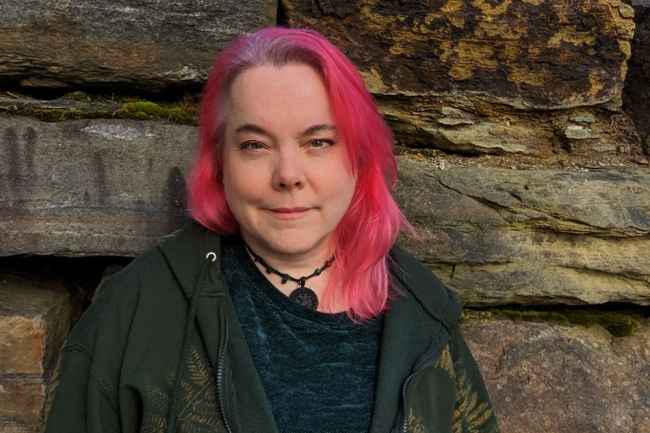
Lee connected with a therapist and now practices somatic therapy—a type of treatment that combines psychotherapy with physical therapy for holistic healing.
Somatic therapy teaches the participant how the body stores trauma and can be particularly helpful for those managing PTSD.
I’m a science nerd and understanding how my body functions with this helps me deal with it.
I have exercises where I calmly sit and can feel where I’m holding my tension, then I allow my body to relax and breathe.
Lee shares what she has learned throughout her journey by writing a blog, and she has joined numerous online communities that support those with C-PTSD.
She believes the more people who write openly about their trauma, the more it will help others who are also dealing with it.
Lee works in health care and also spends time as a paid consultant, helping others with the management of C-PTSD.
I can’t believe the progress I’ve made over just the last few years.
I still have my struggles, but I haven’t had the types of emotional meltdowns I had a year or two ago. It’s rare now.