Judith
Judith
Because of my challenges, I am much stronger
Judith, a married mother of four children, is keenly aware of the family impact of mental health challenges.
I have four children. Three need special care and each with a different diagnosis and needs.
Judith has also been coping with her own diagnosis of manic depression for over 17 years.
I had four psychotic episodes, but each one was different. One of the episodes included paranoia and some of them were complicated by depression.
For four years she has been through a rehabilitation program for people with mental health challenges and is on her way to achieving her goals.
Judith holds a bachelor’s degree in education, sociology, and anthropology, and has applied for many jobs. But when she said that she was living with mental health challenges, she was refused employment.
I went to job interviews and I was not accepted anywhere. I don’t have horns. I am just like you, but I also cope with other things.
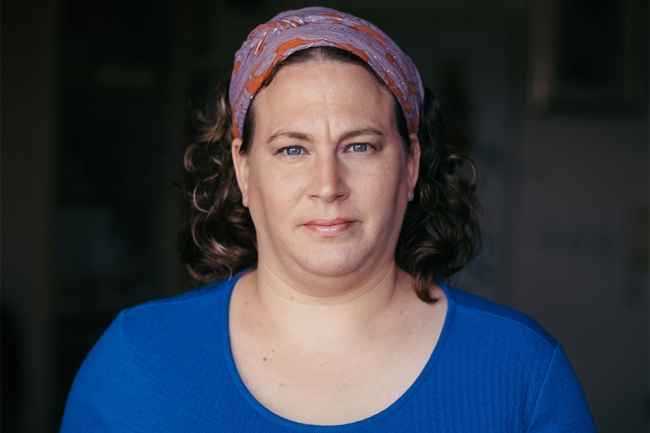
It is important to Judith to dispel the stigma faced by people with mental health conditions so that others will not fear integrating these individuals into life and the workplace. She has even created a series of paintings about “how it feels on the inside,” which illustrate her experience as a person with a mental health condition.
Instead of highlighting mental health as a weakness, we should provide support and compassion. For people like me, this means encouraging commitment to myself, to life, to the environment and helping to reinforce that dark moments are temporary, even if they are long.
Judith feels that there are not equal rights or adequate accessibility for the part of the population who struggle with their mental health.
Even in the health system, there is no accessibility. I spent four months without treatment and I had a really acute psychotic episode as a result.
For me, psychological therapy should be available like dialysis for someone with kidney failure. We are people who can contribute—significant, unique, and powerful people.
Businesses can be more successful by making workplaces more accessible. There is significant human capital that society loses when there is no accessibility.
She said people with disabilities tend to think they are weak people, but this is a mistake.
Because I live with things that most people do not deal with, I am much stronger. I’m an expert and know how to deal with crises. I know how to be sensitive, to look at things in a way that other people don’t.
Judith’s story is also available in Hebrew